HUMBLE ADMINISTRATOR'S GARDEN, SUZHOU.
The Humble Administrator's Garden in Suzhou is a major tourist attraction and is a UNESCO World Heritage Site. It is considered to
be one of the finest gardens in all of Southern China.
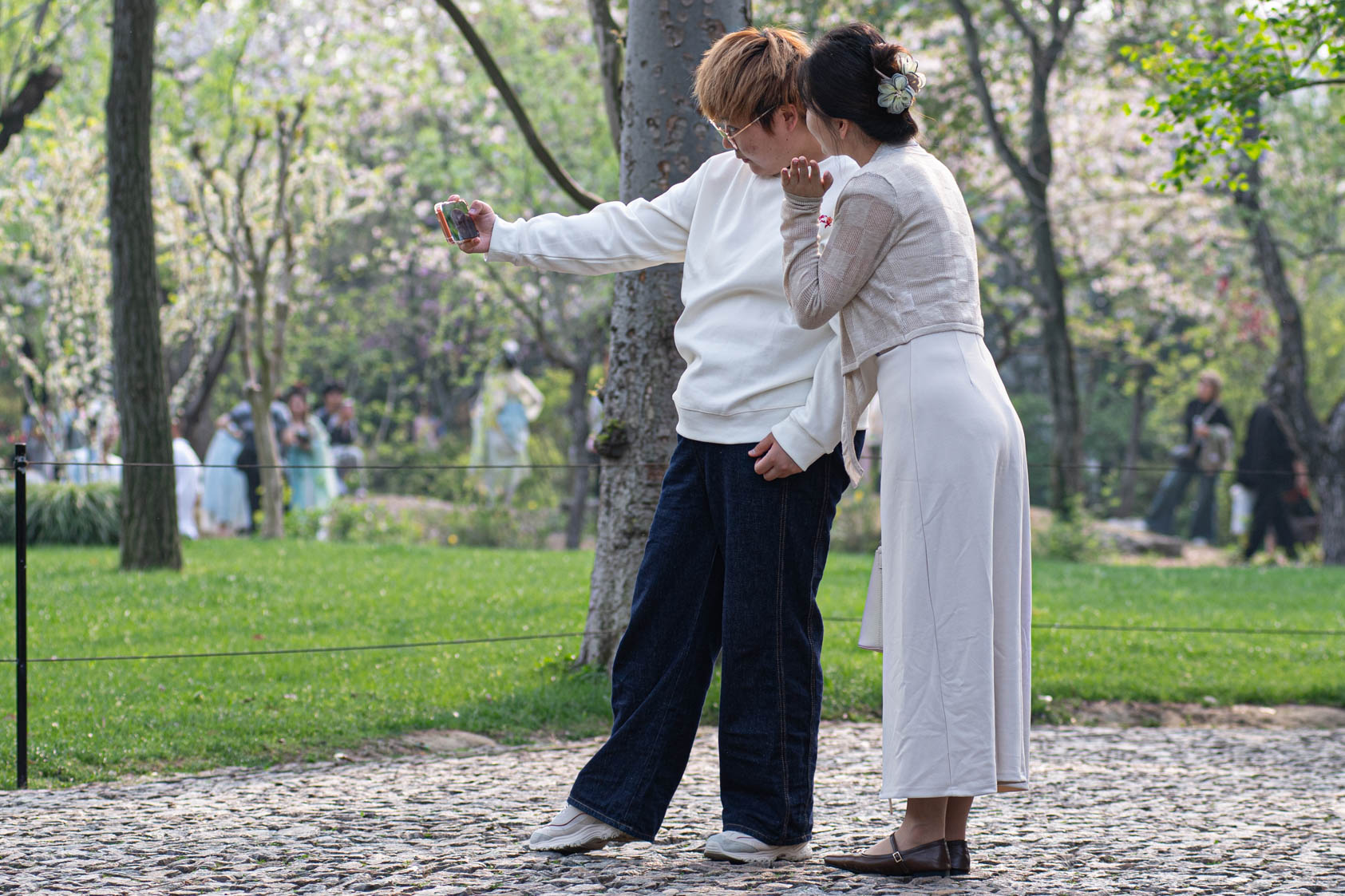
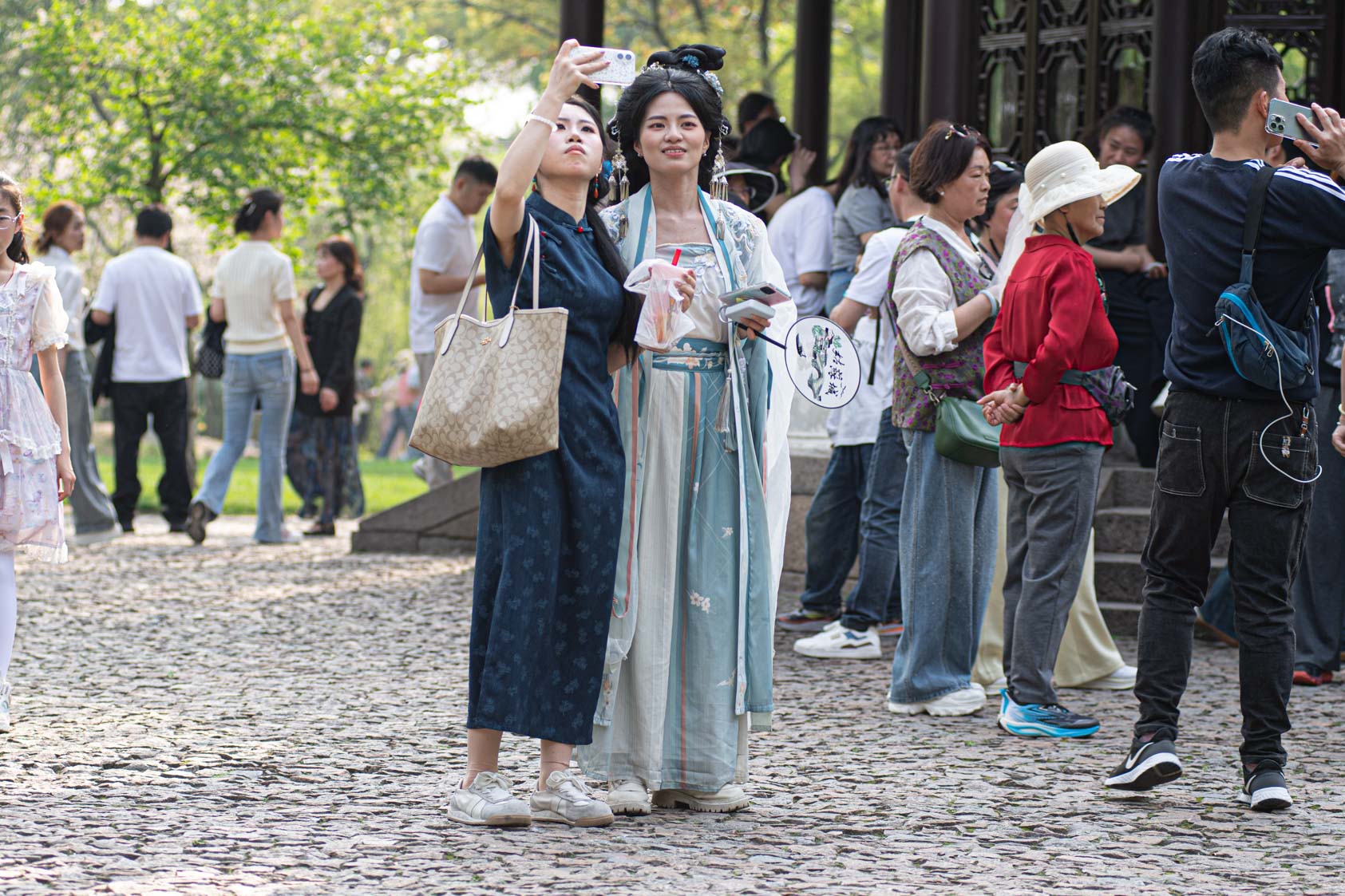
DISABLED USERS: Please note: the garden is beautiful and highly worthy of visiting. However it is not disabled-friendly for wheelchair users. The paths are all cobbled stones and some are quite uneven, in places distorted by the growth of tree roots. I had to abandon any thoughts of navigating around the gardens after a short distance with the realisation that it would be unrealistic to try to go around and the continual jarring and bumping potentially risked damaging the electric wheelchair.
(Source; humble administrator's garedn suzhou)
Located at Dong Bei St. In the ancient city of Suzhou, the Humble Administrator’s Garden covers 5.2 ha. and is one of the 4 most famous gardens of China. In 1961 it was listed as cultural relics of national importance. Serving as a fine specimen of the classical gardens of Suzhou, the Humble Administrator’s Garden was inscribed the World Heritage List by UNESCO in 1997.
The eastern part of the garden is rustic and extensive, giving the appearance of being a village settlement of Jiangnan. The middle part is the cream of the garden, featuring Venetian scenes. With a winding and undulating roofed-walkway, the western part of the garden is noted for its sumptuousness.
The Humble Administrator’s Garden boasts the wild expanse of lotus ponds. Water occupies one fifth of the total garden are. All the kiosks, terraces and pavilions were laid out by the water. More than 10 buildings were named after lotus blooms. Its annual Lotus Blooms Festival gains world-wide fame.
The first garden built on the site was during the Shaoxing phase (1131-1162) of the Southern Song Dynasty. The 'humble administrator' was Zhou Zheng Yuan, who became 'humble' after being accused of corruption.
The garden has perfromed various functions; for example a scholar garden during the T'ang dynasty and a monastery garden during the Yuan dynasty. The garden changed ownership many times.
The various structures in the gardens are built round a labyrinthine lake, imitating a Chinese water village.
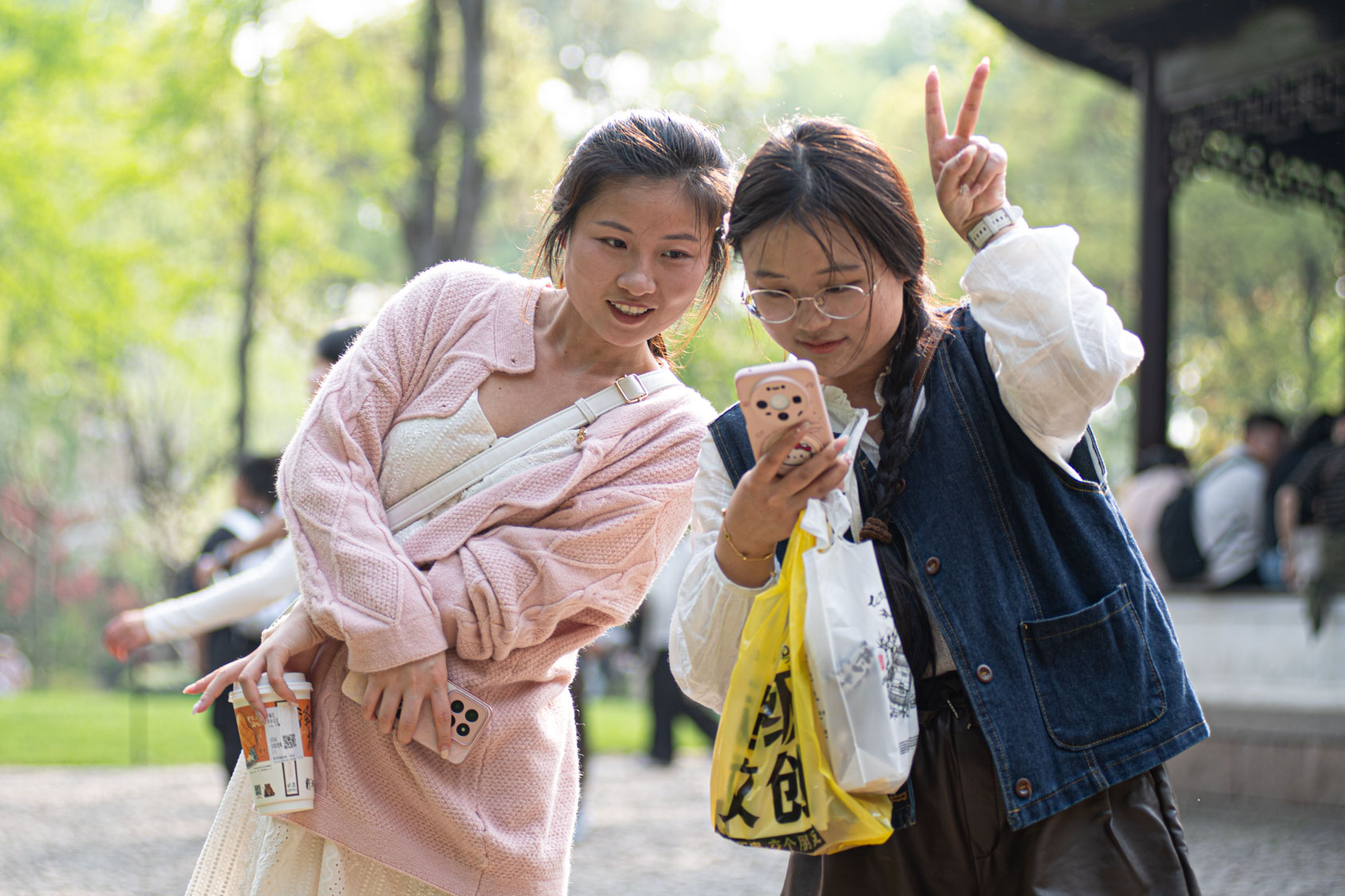
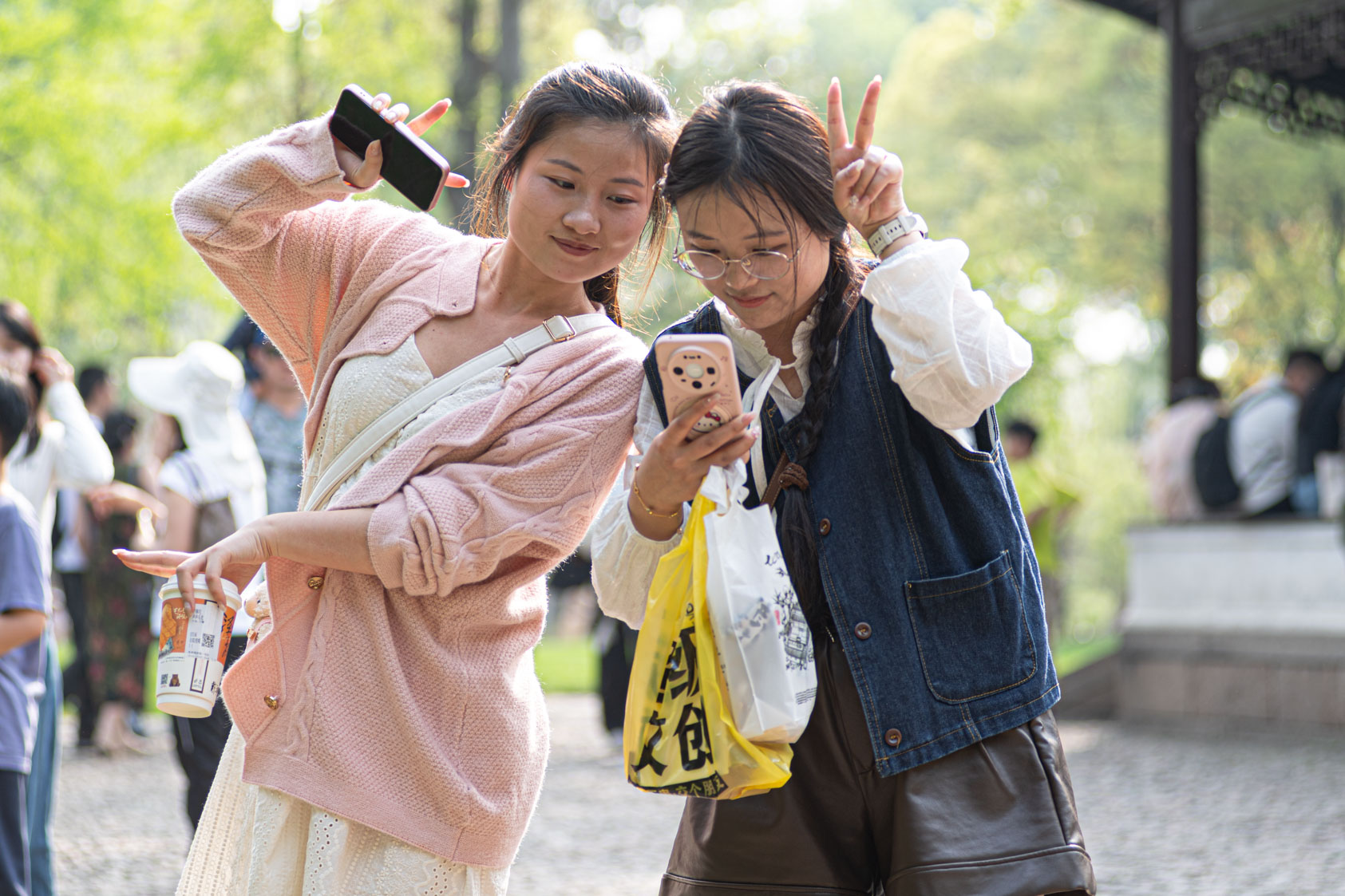
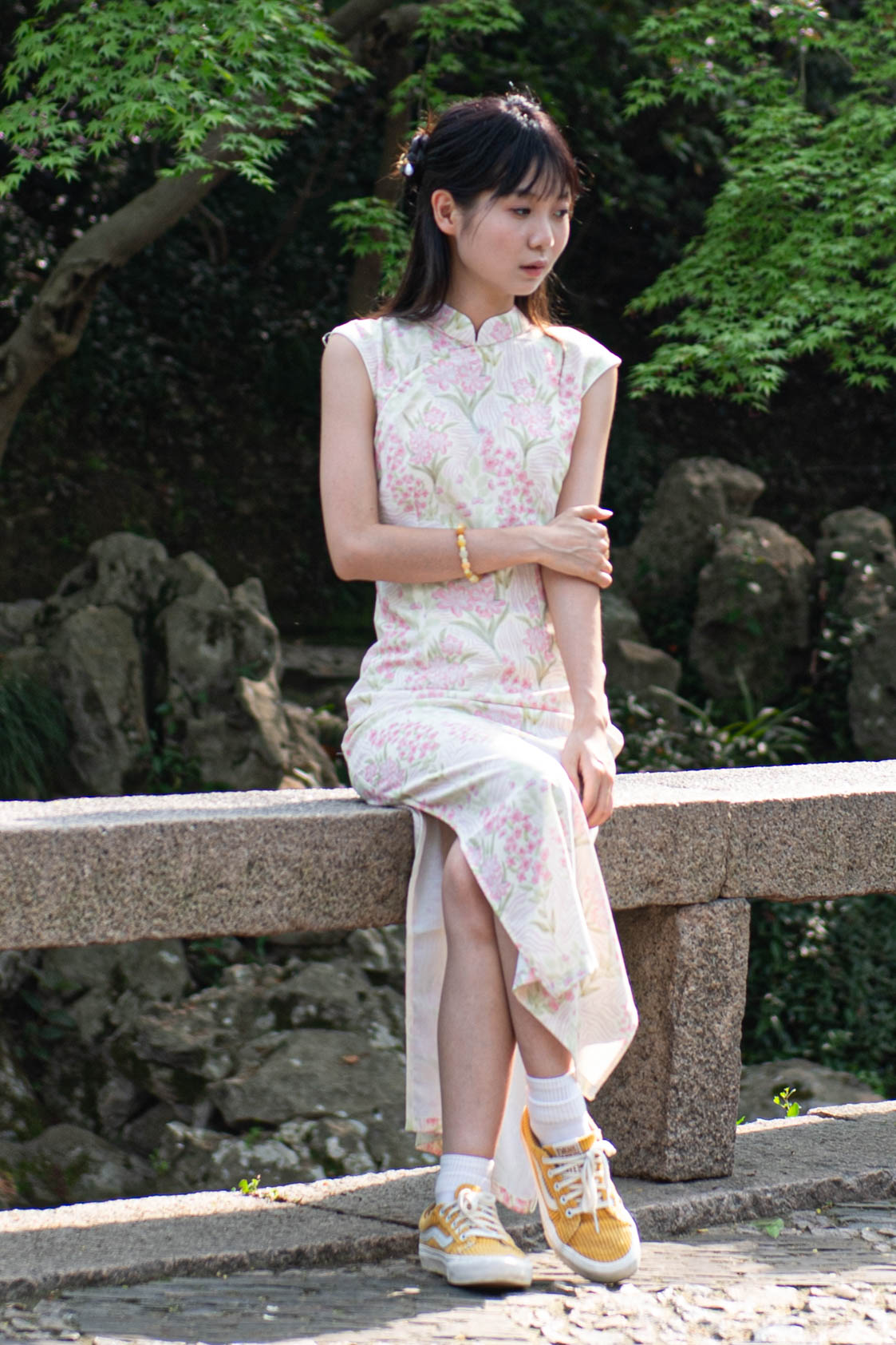
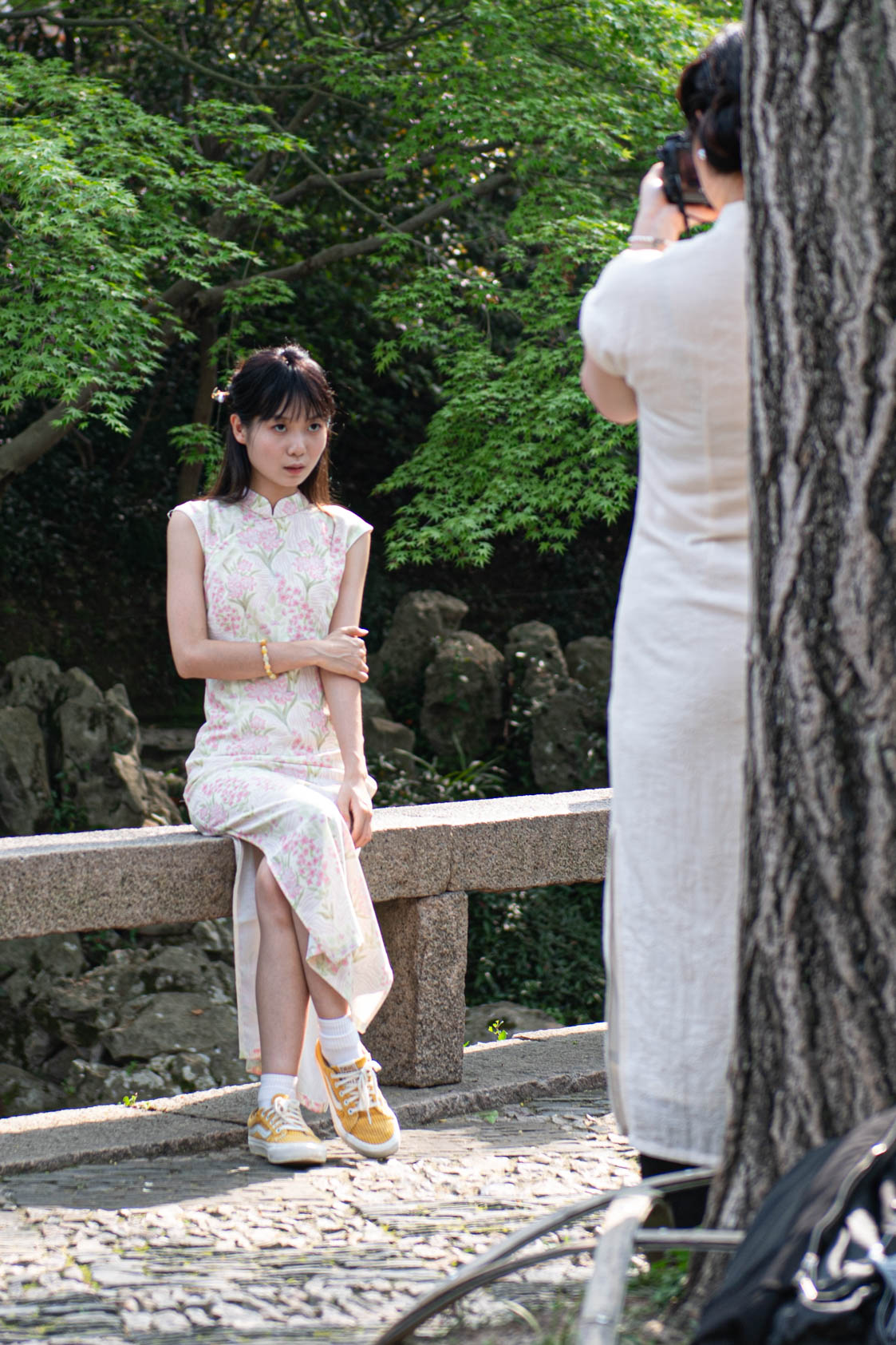
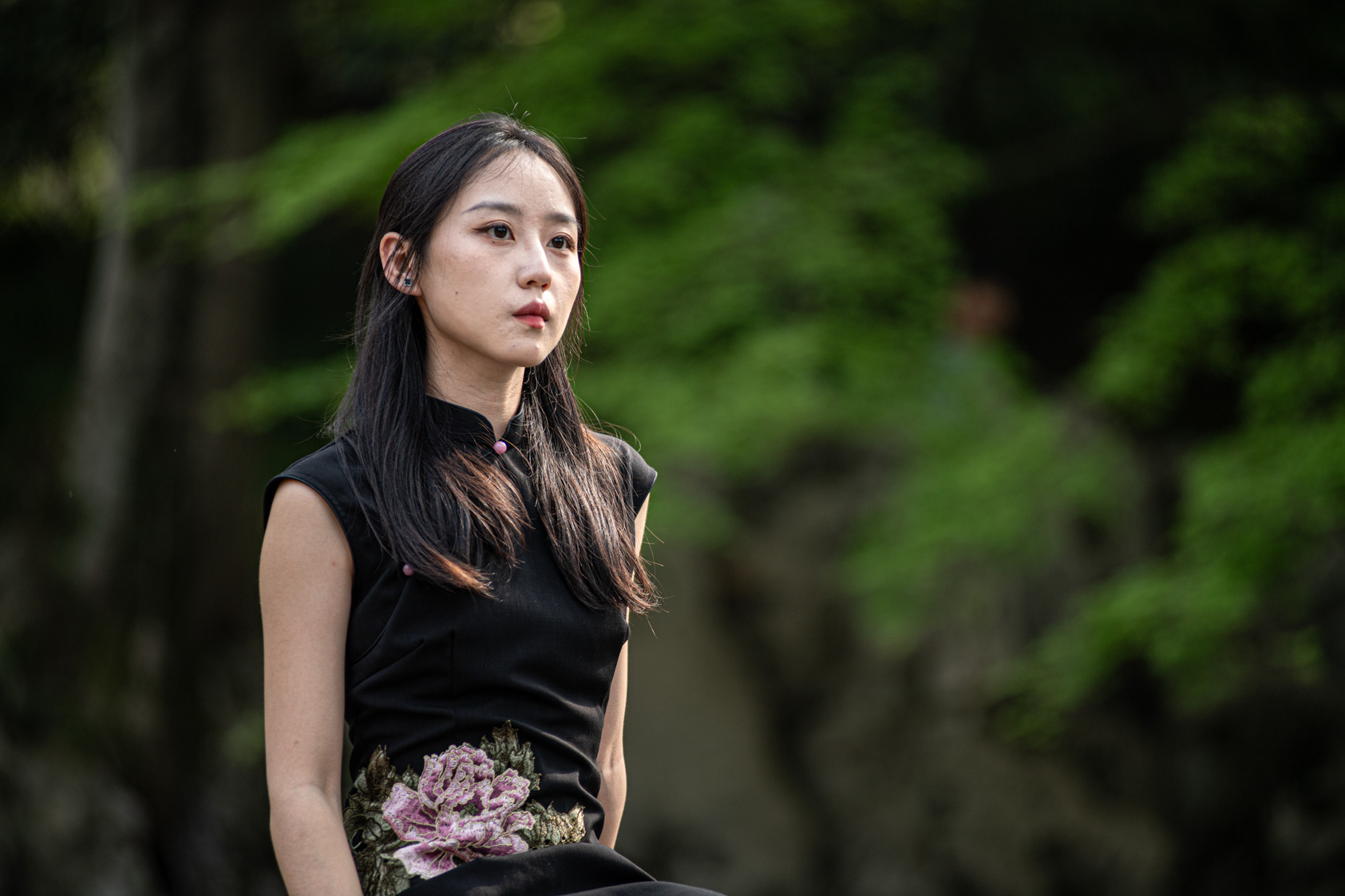
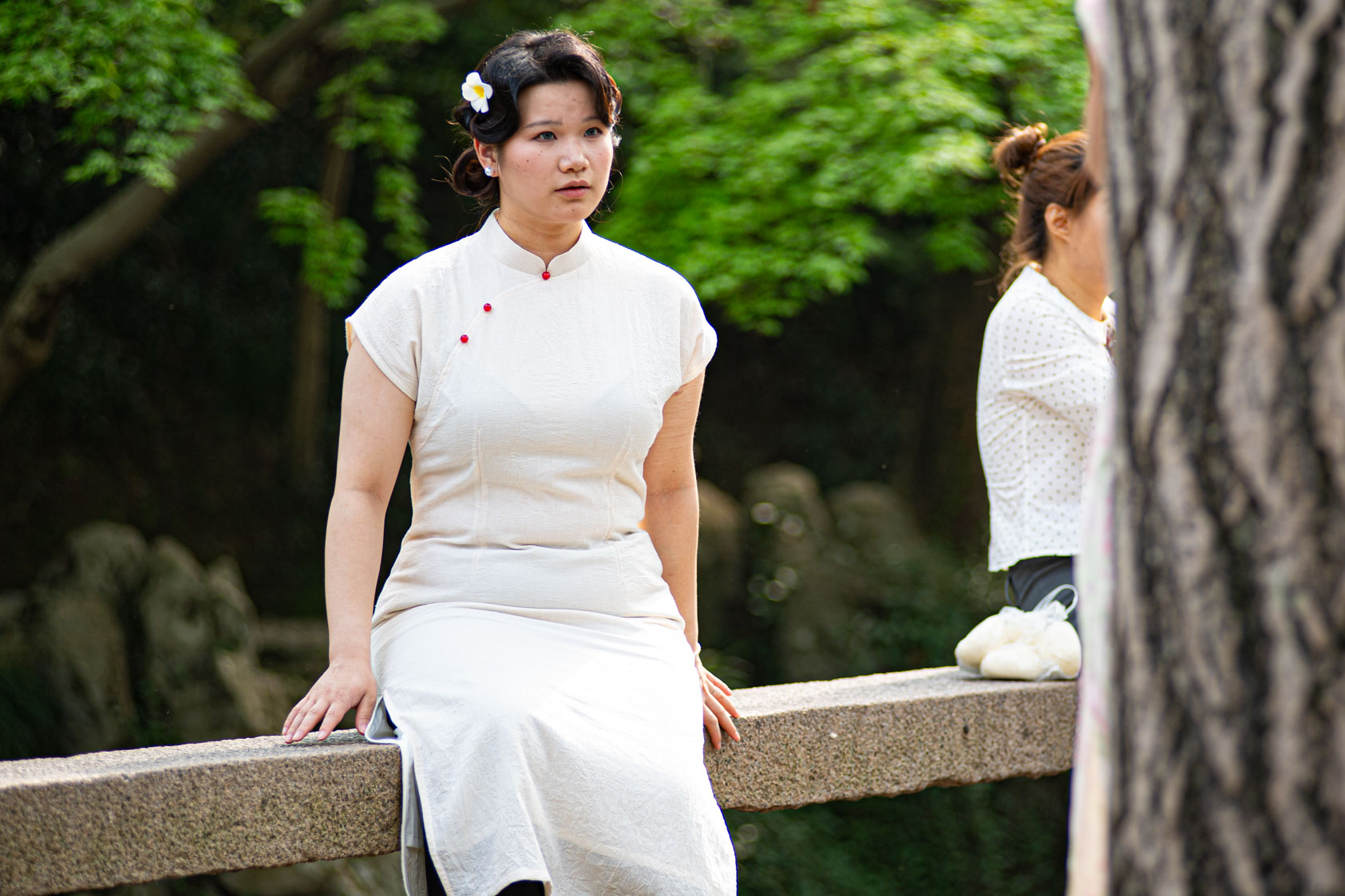
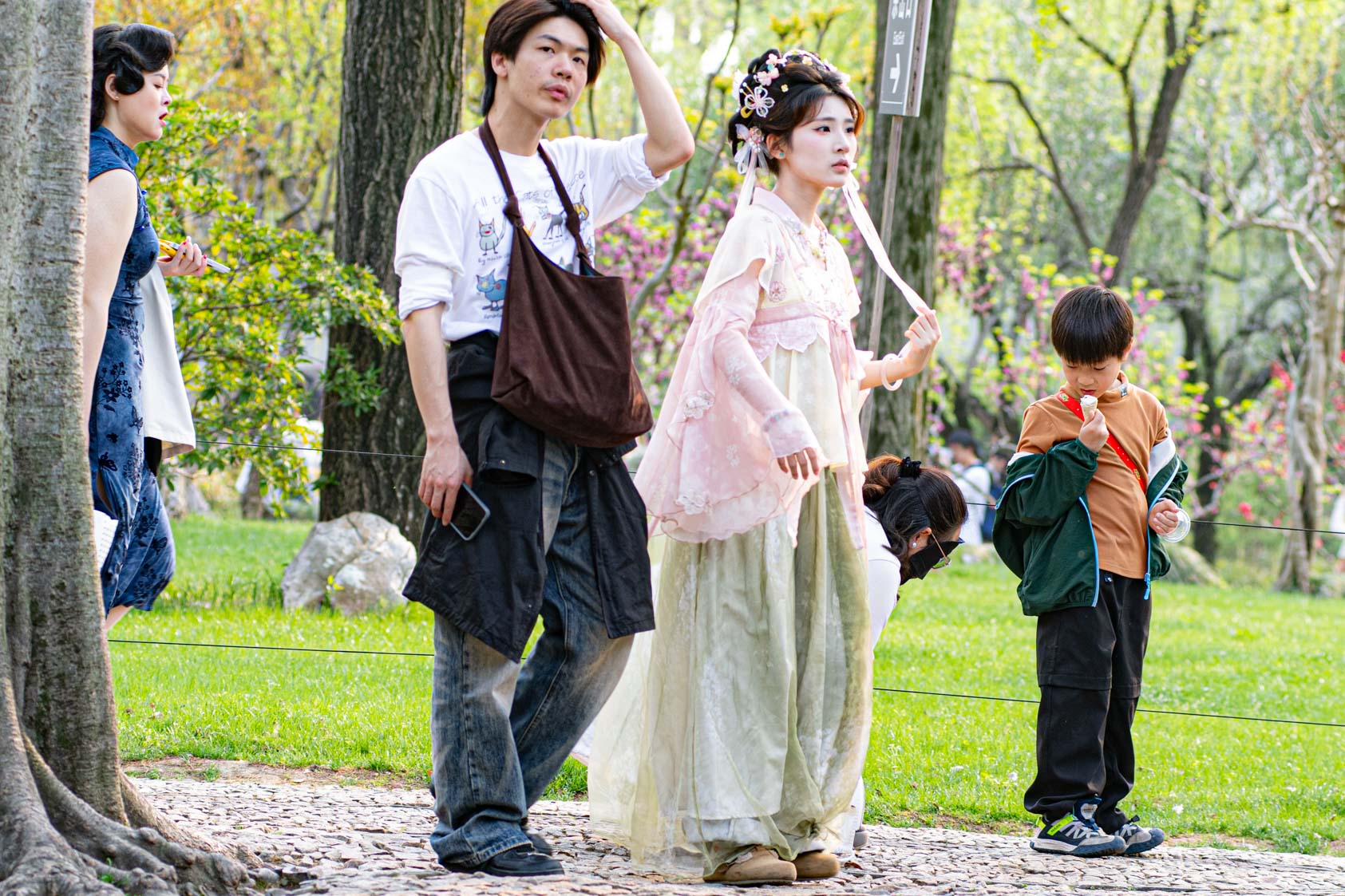
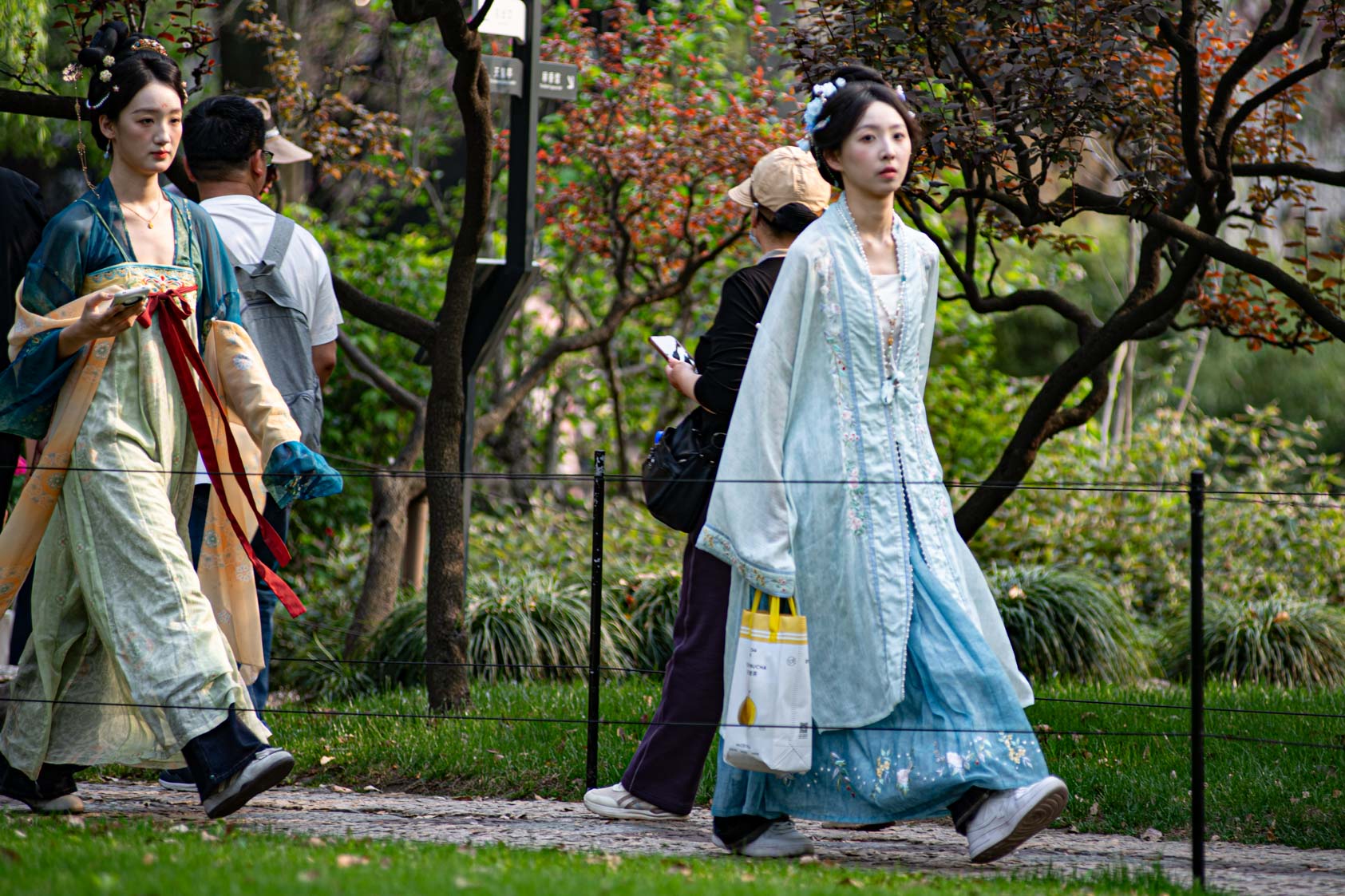
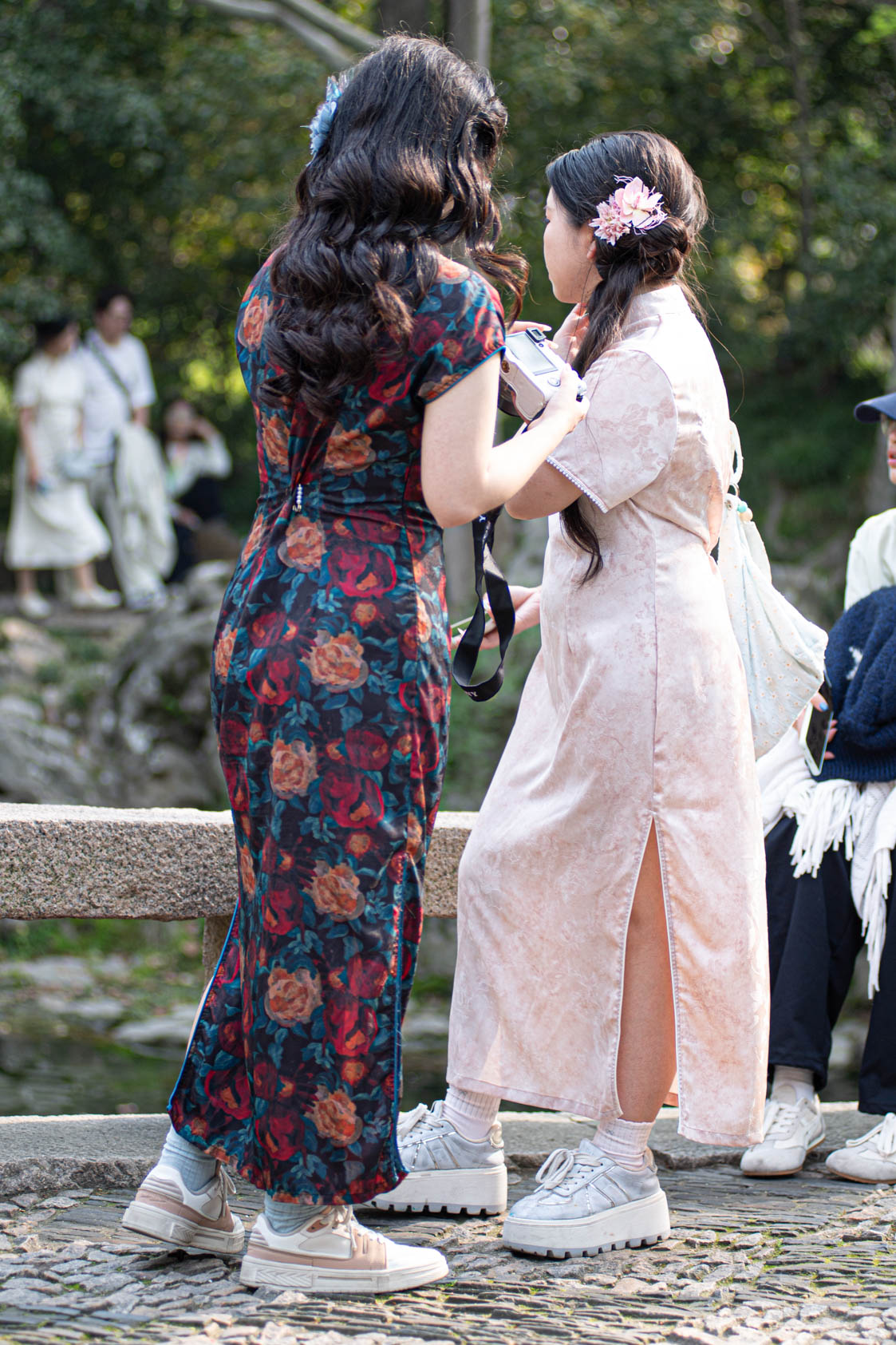
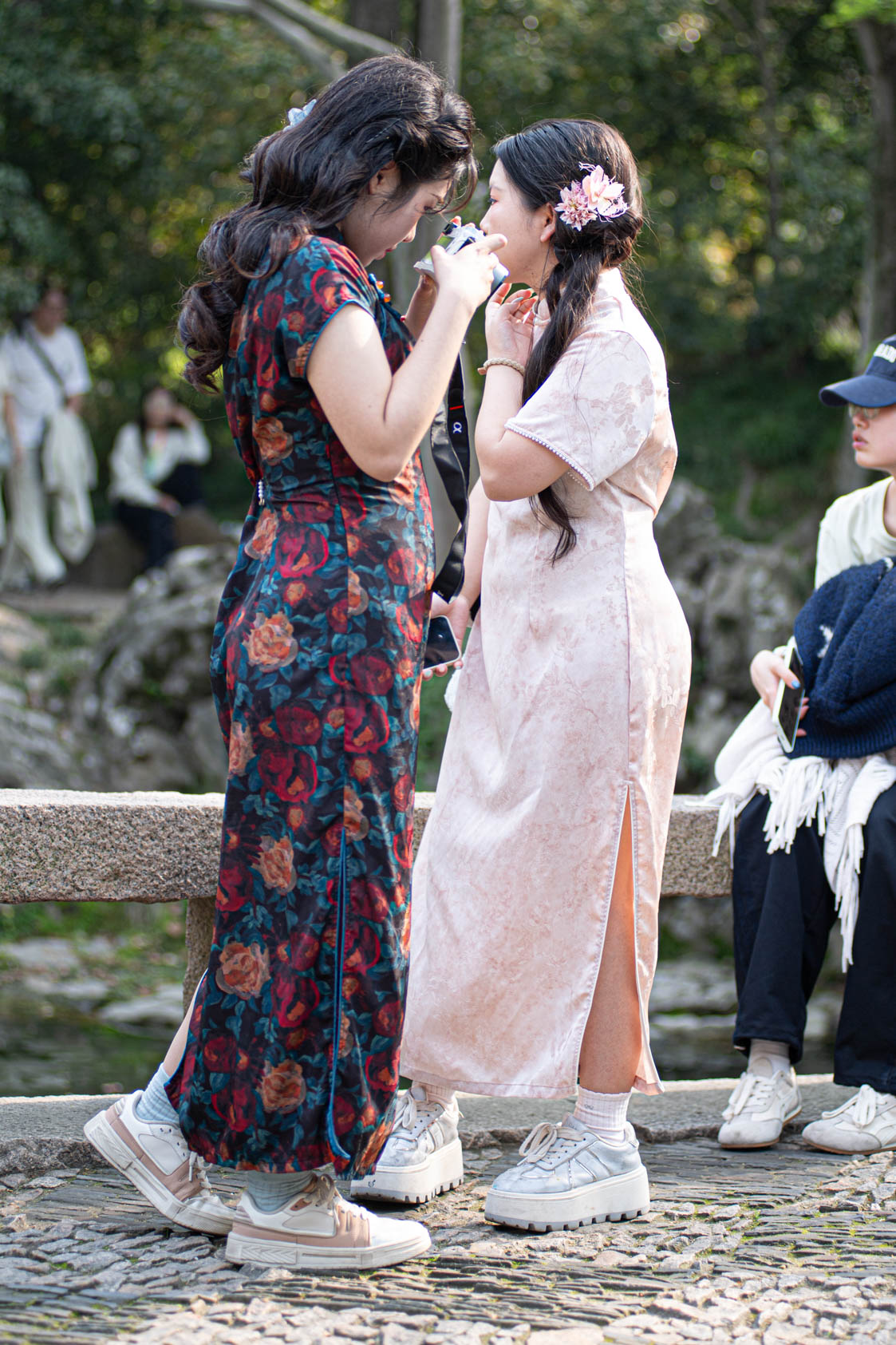
Many of the visitors attend in various forms of national dress and engage in impromptu photoshoots around the gardens, especially around the lake.