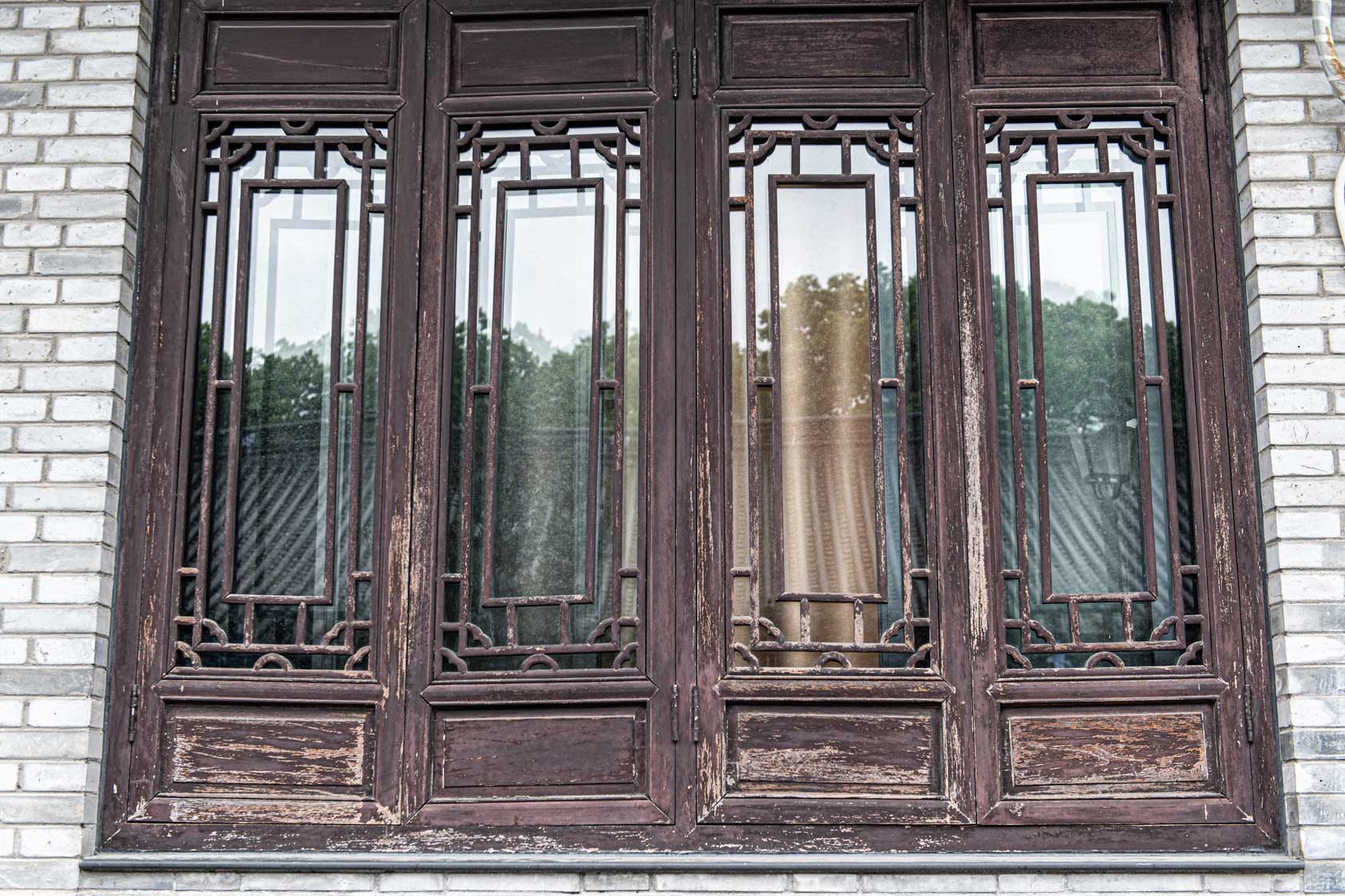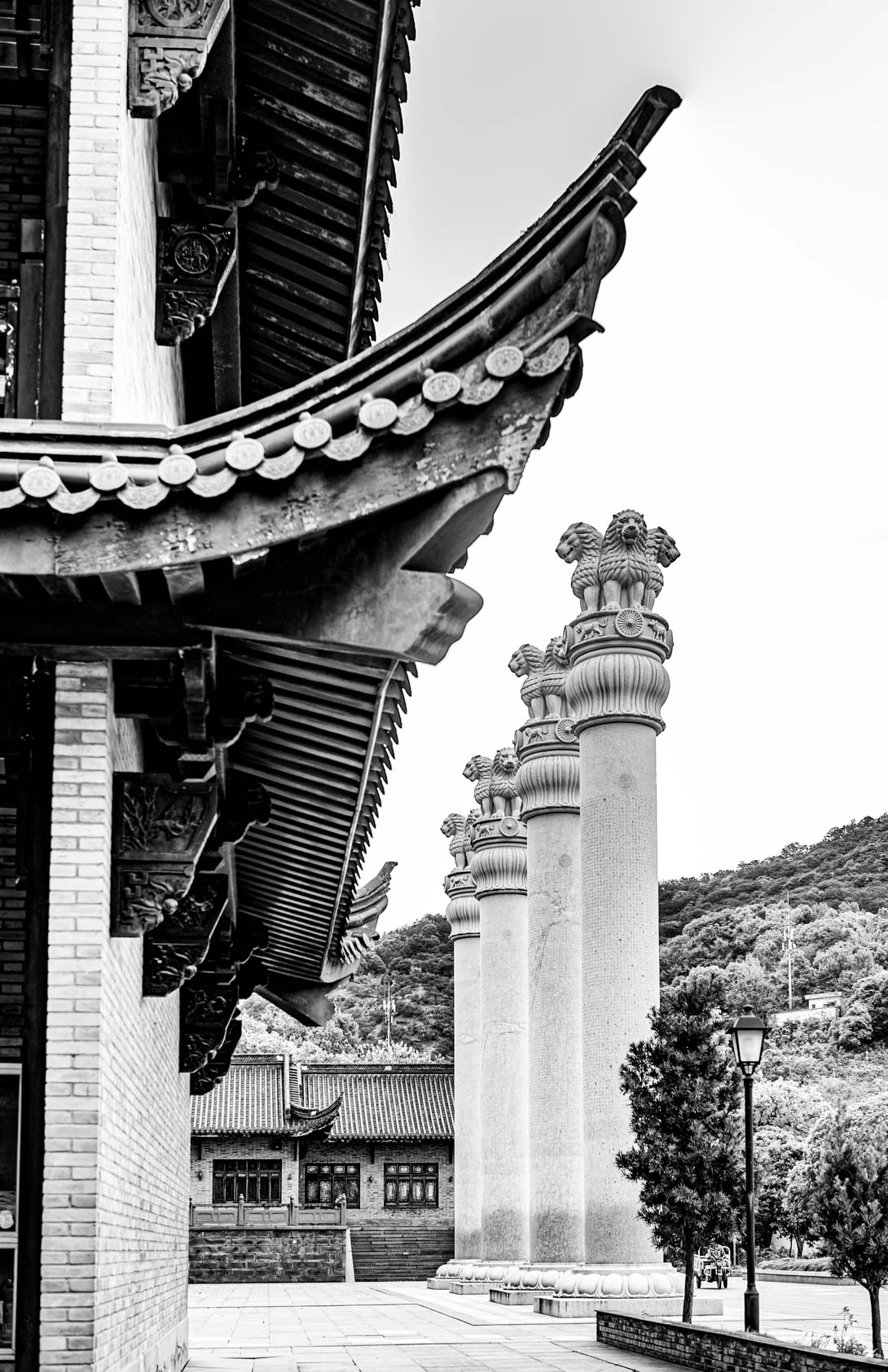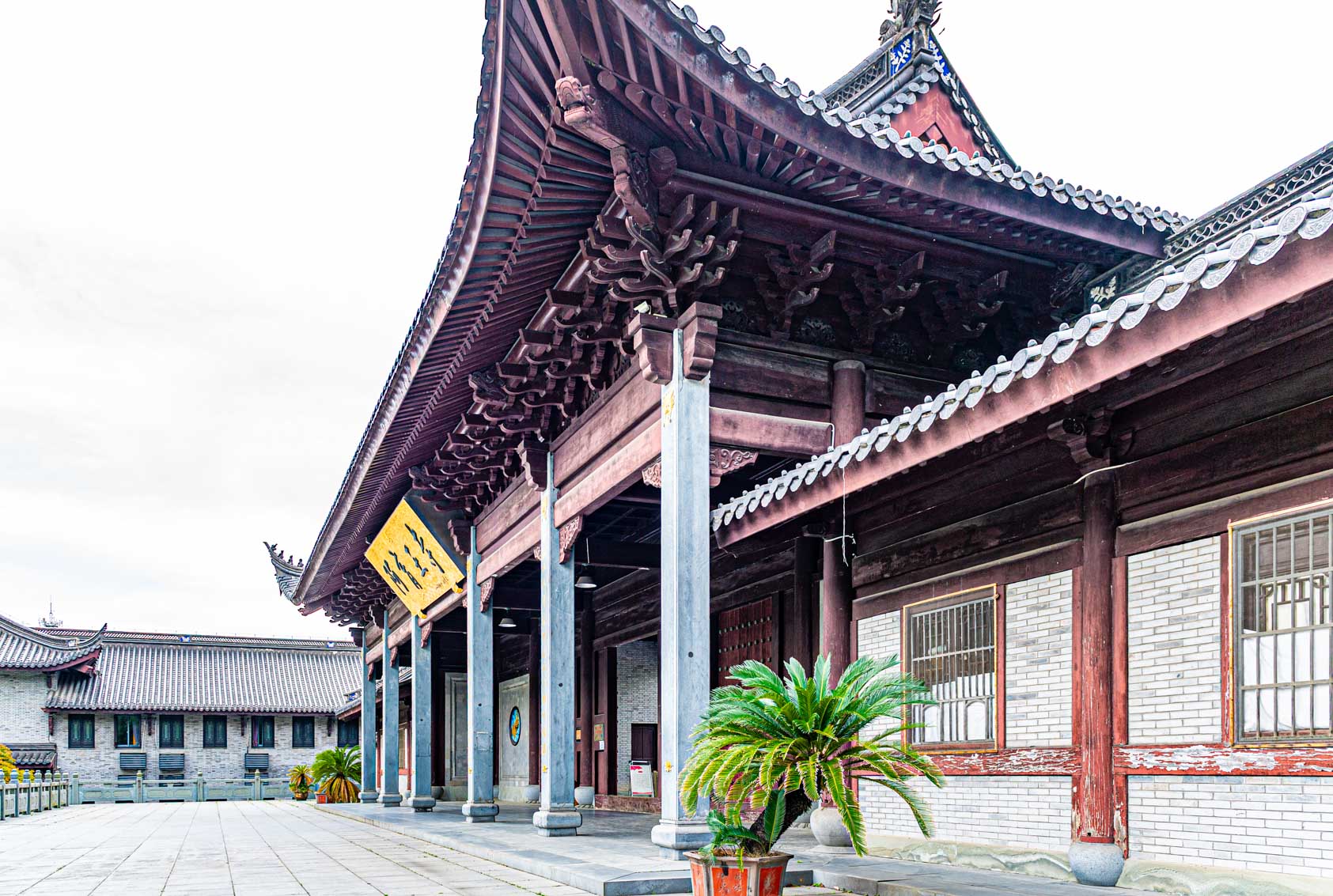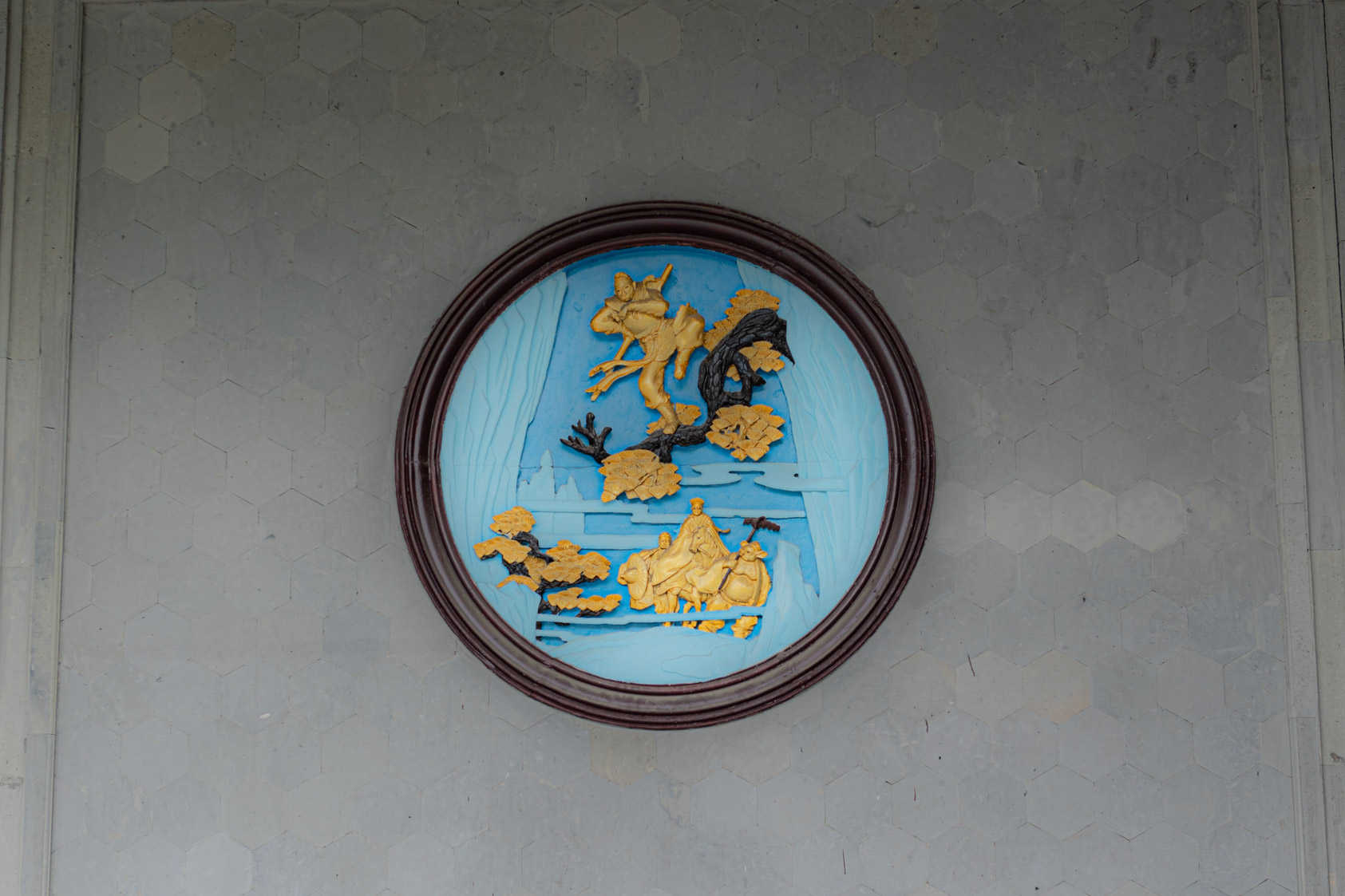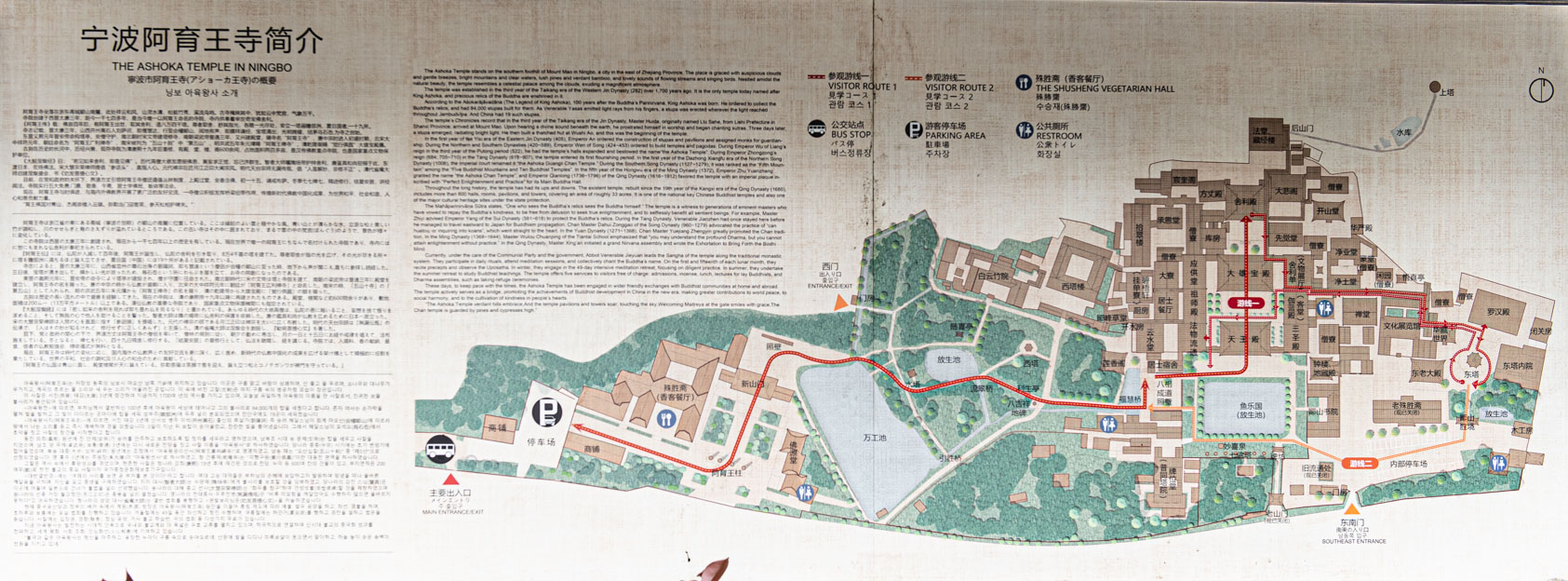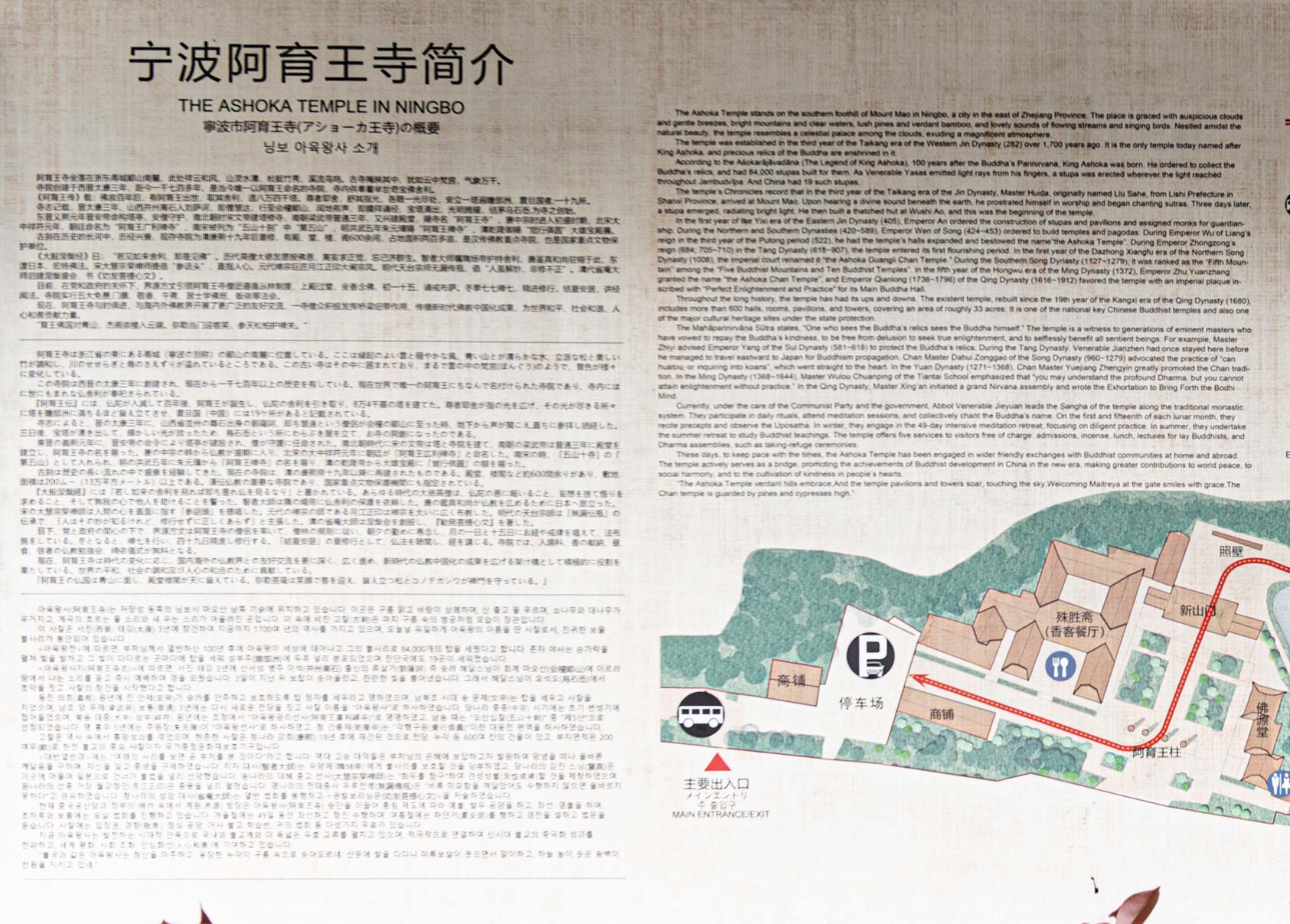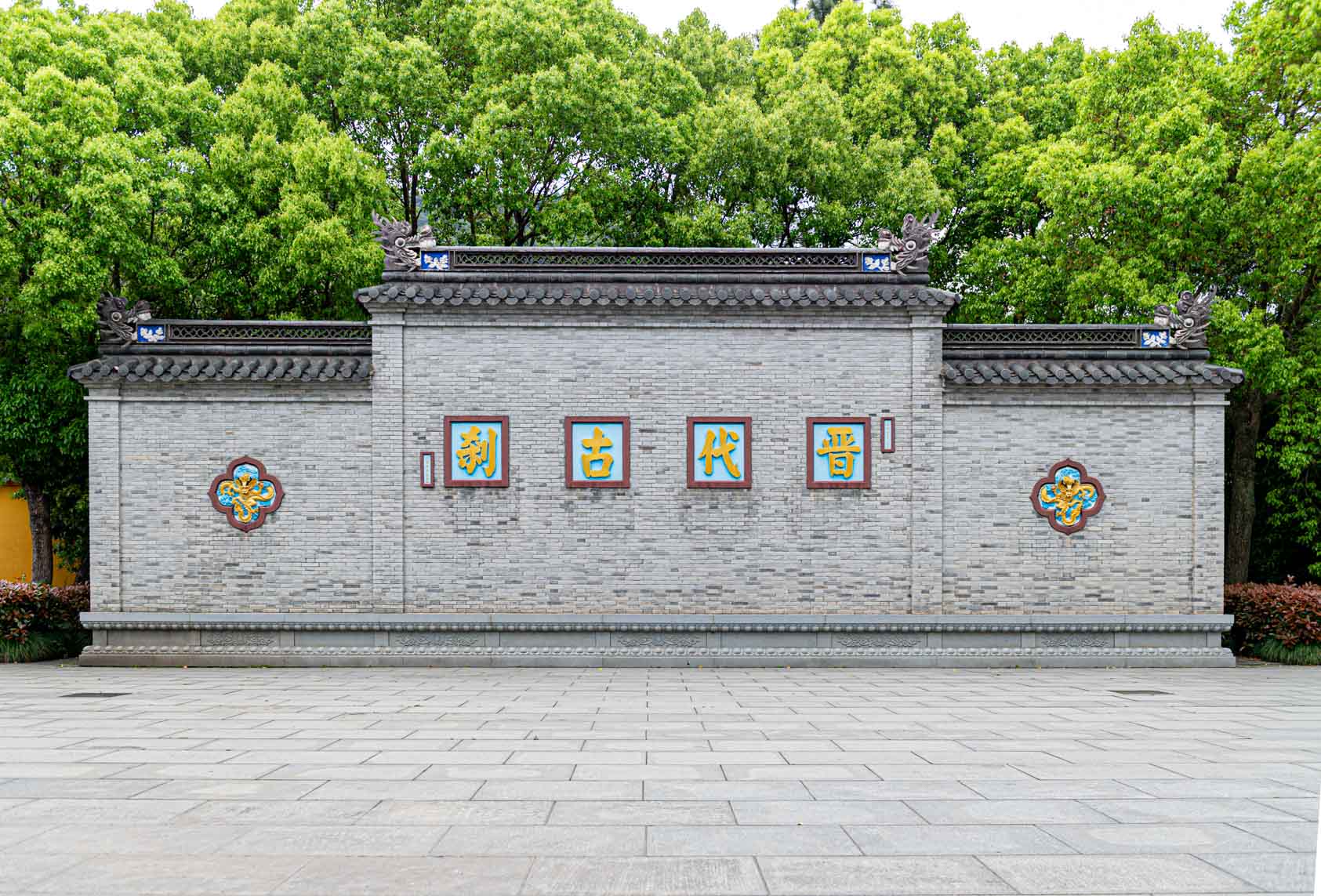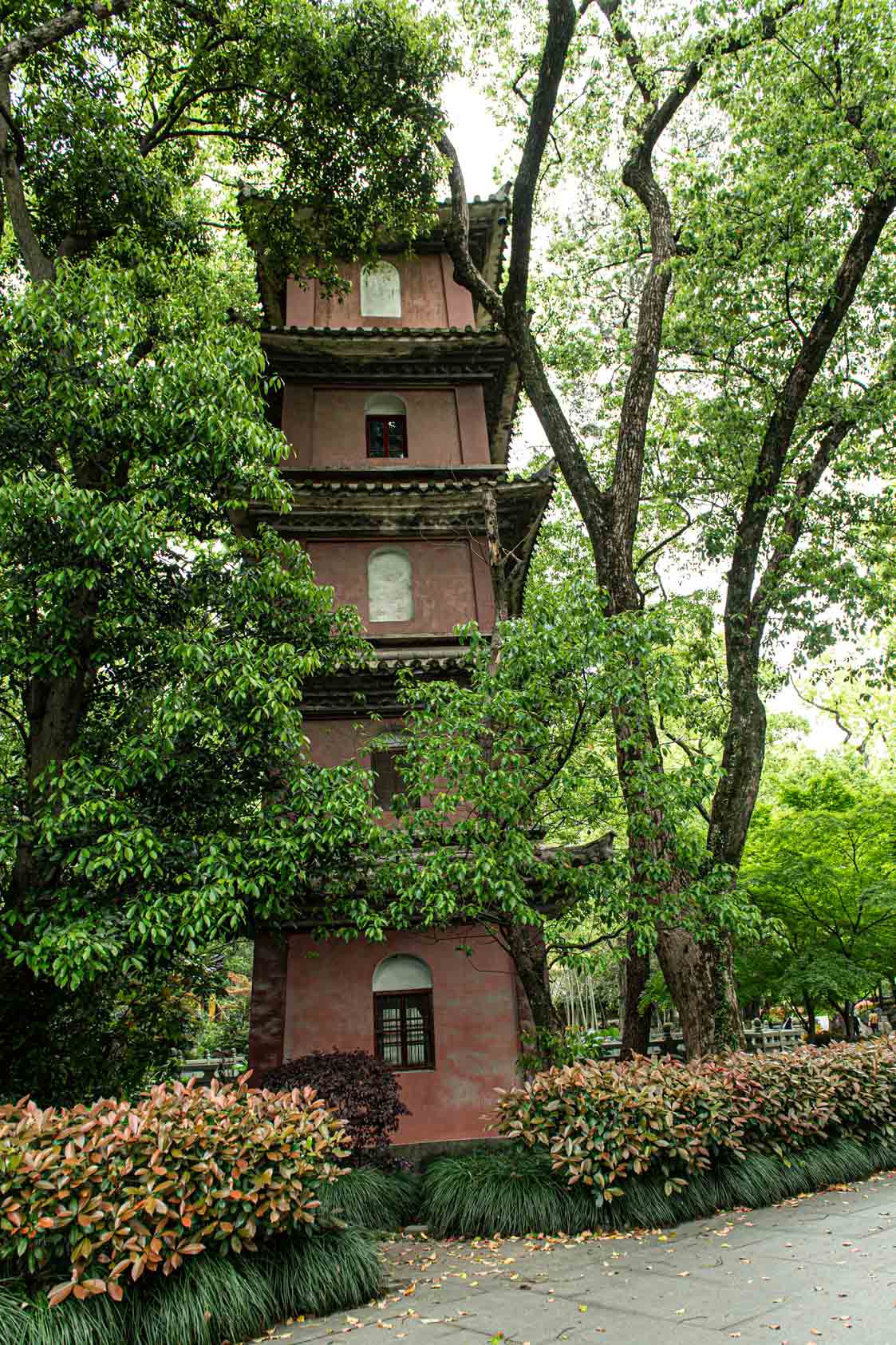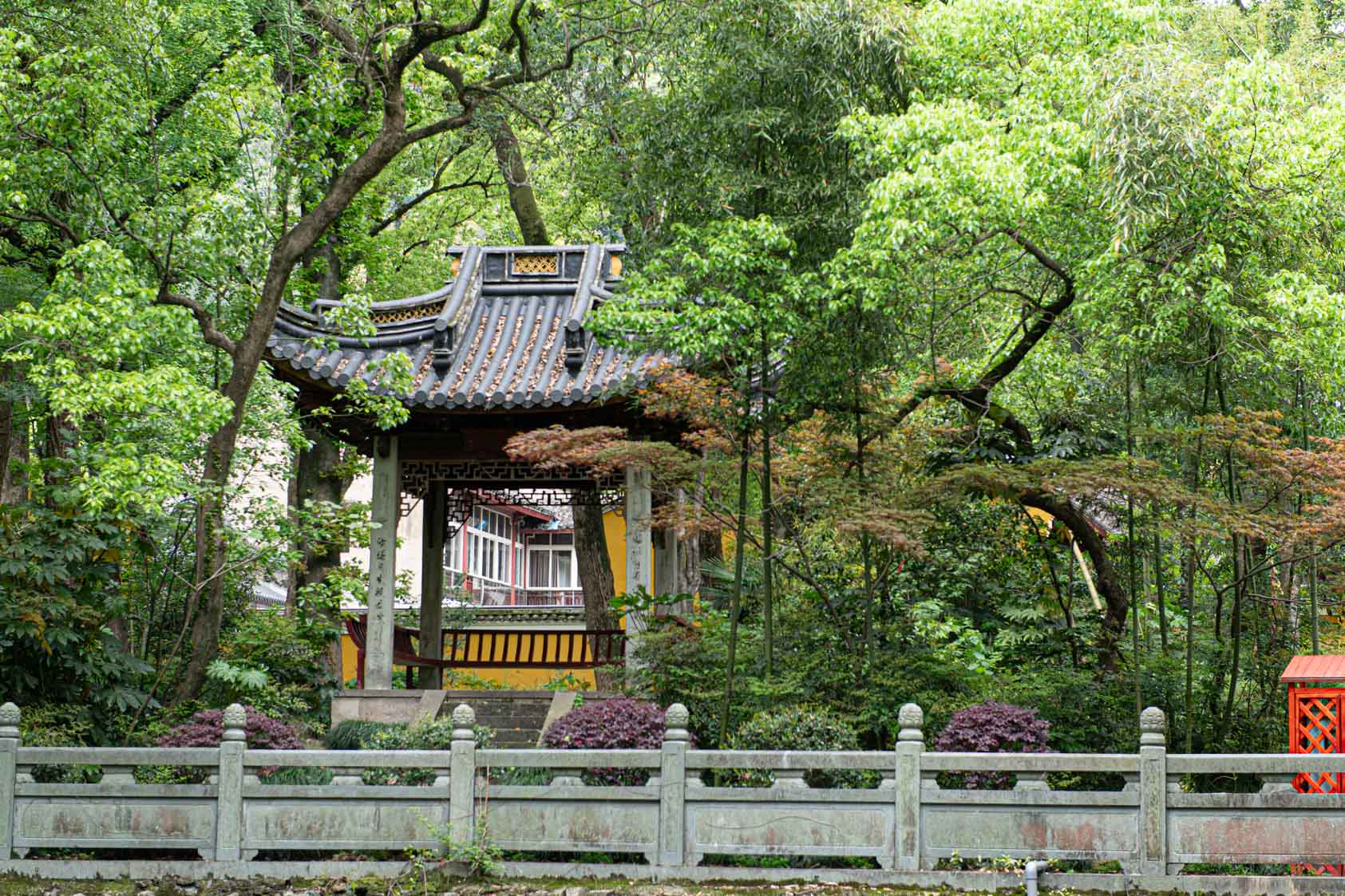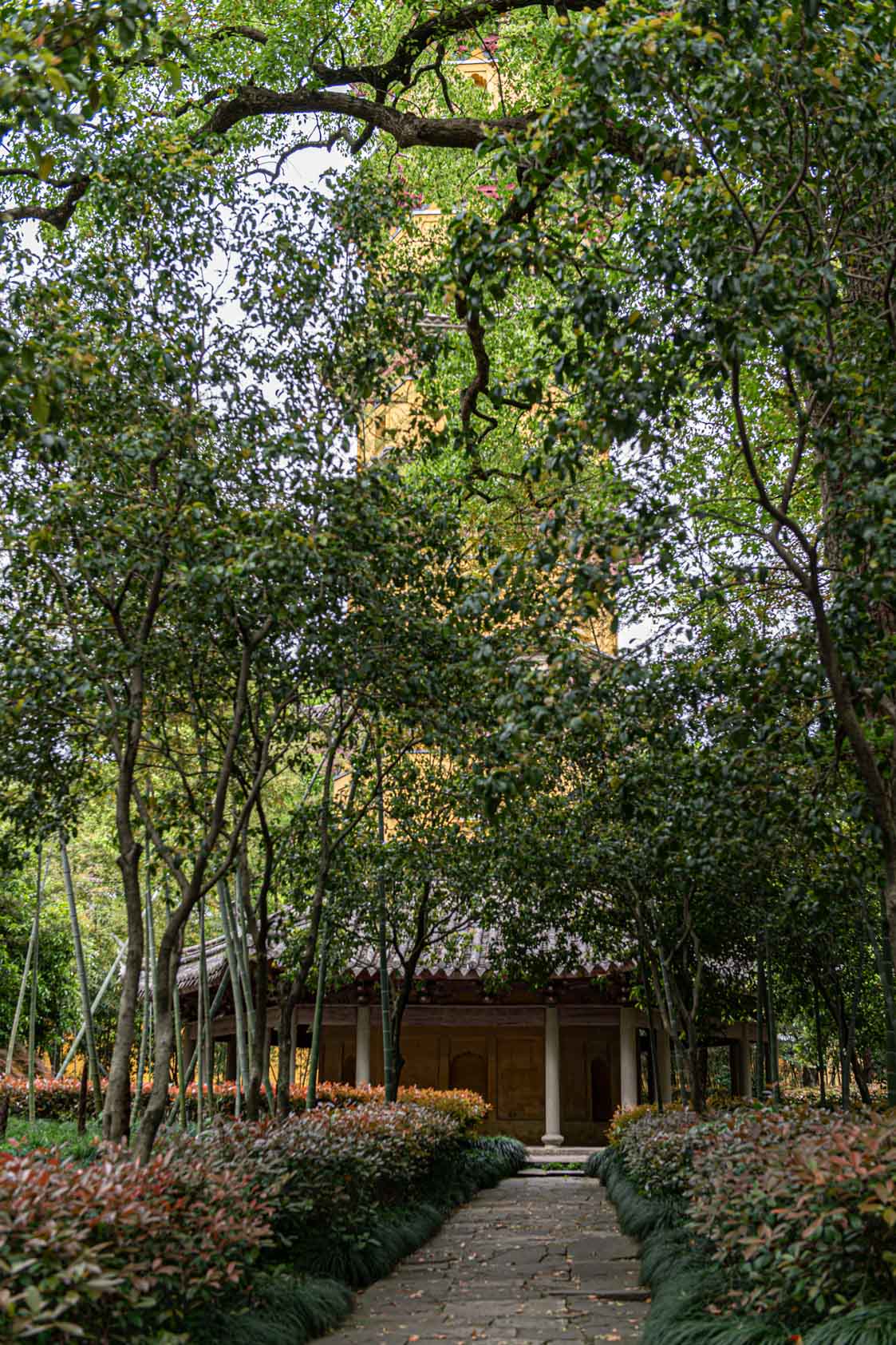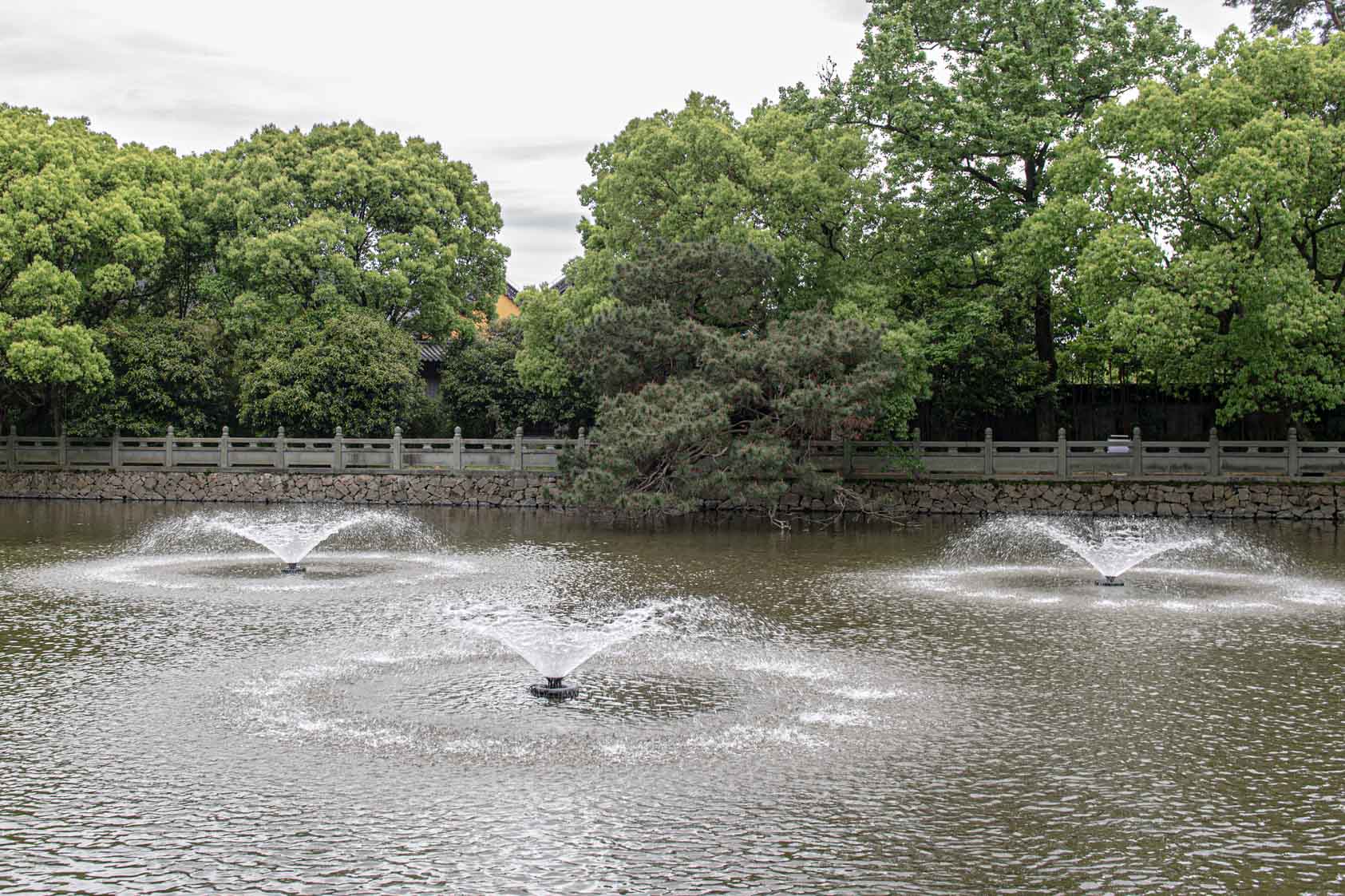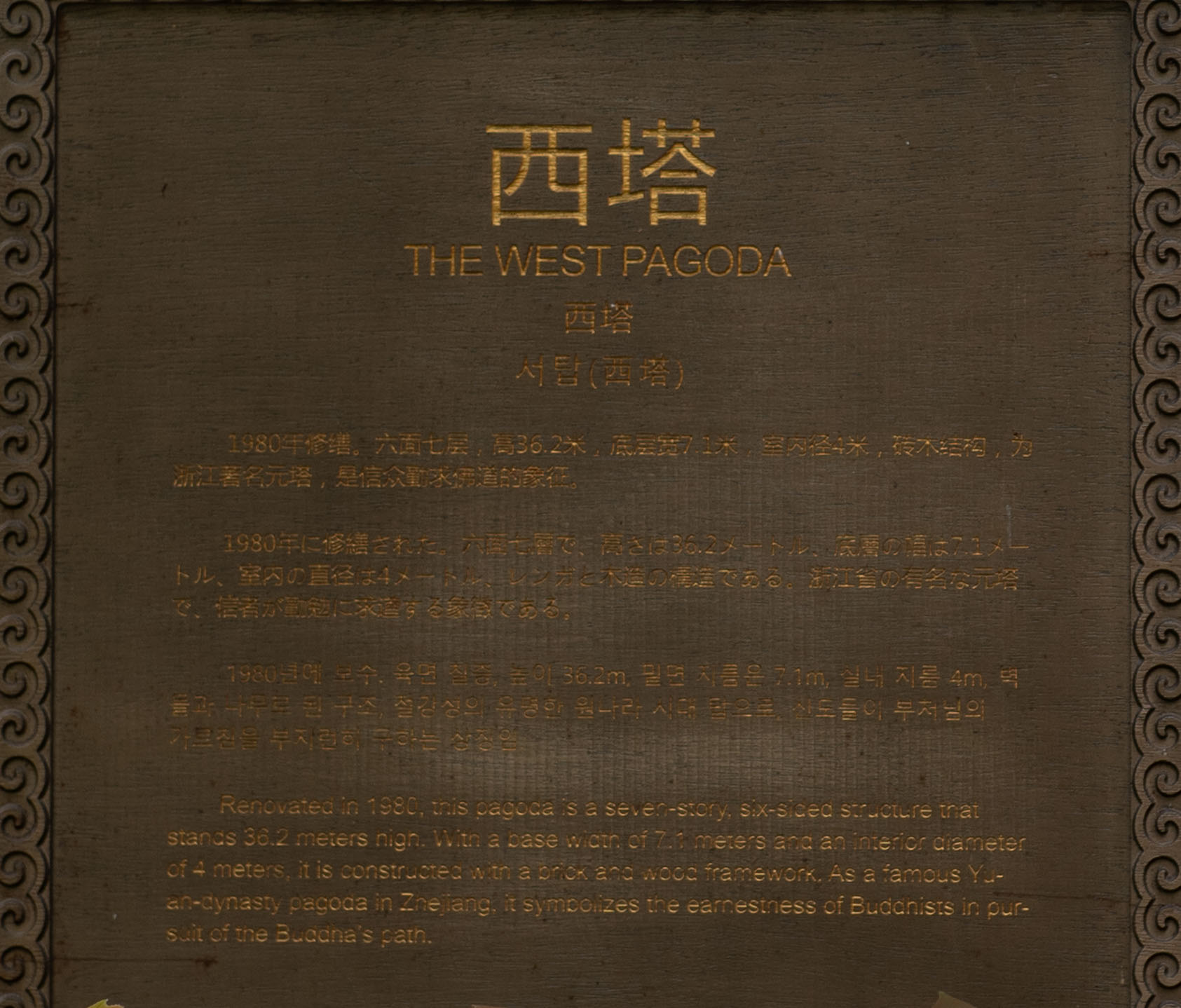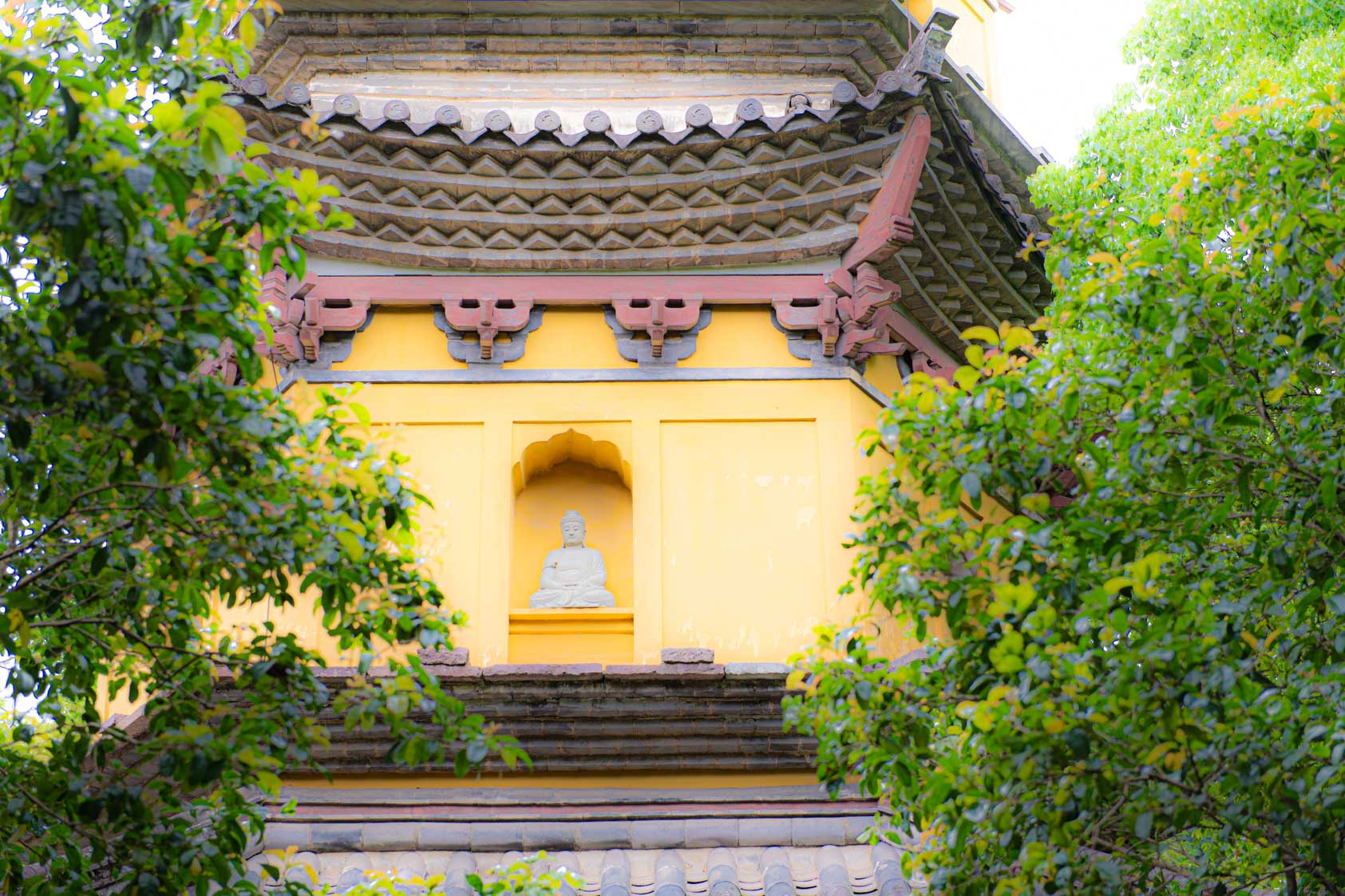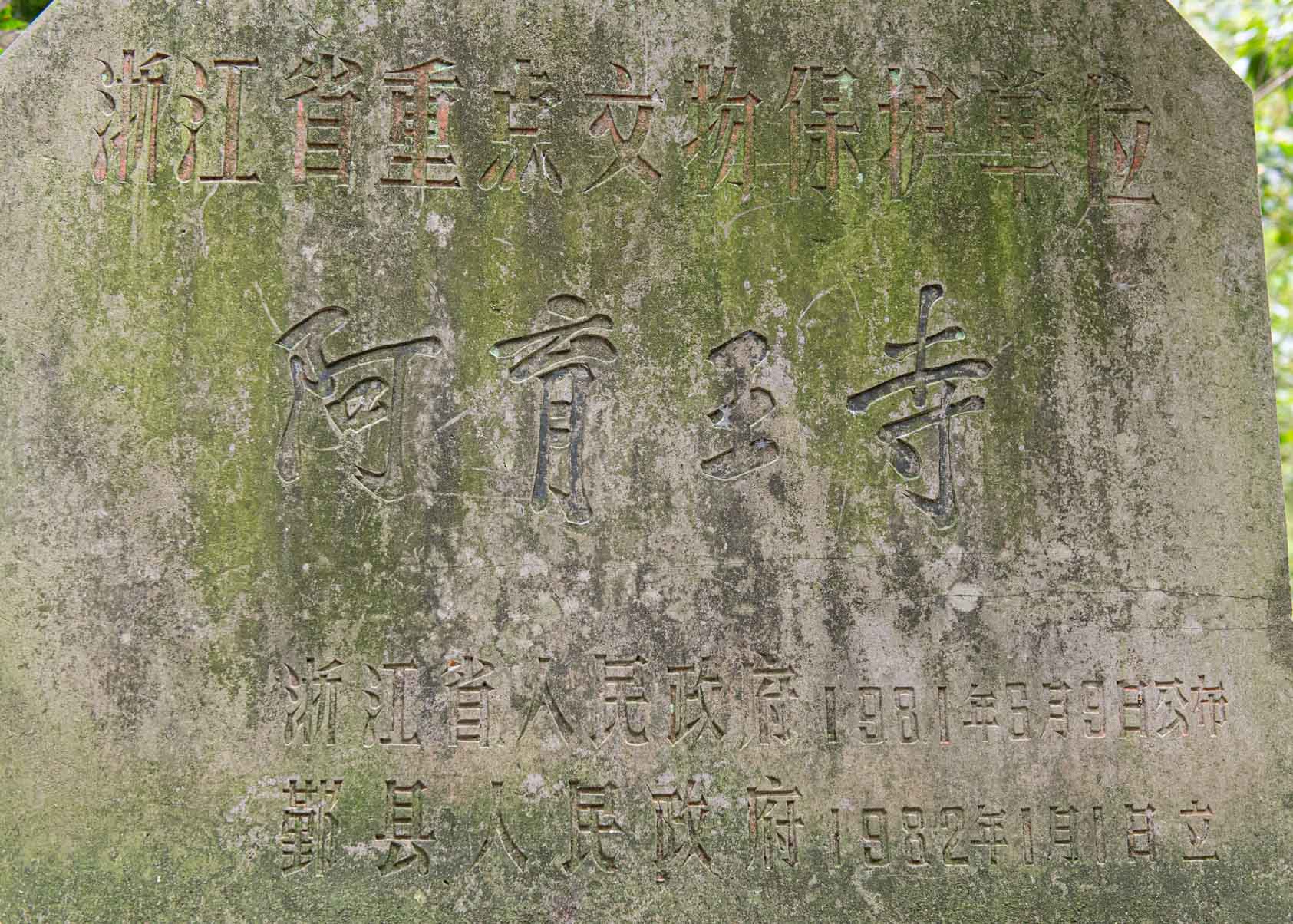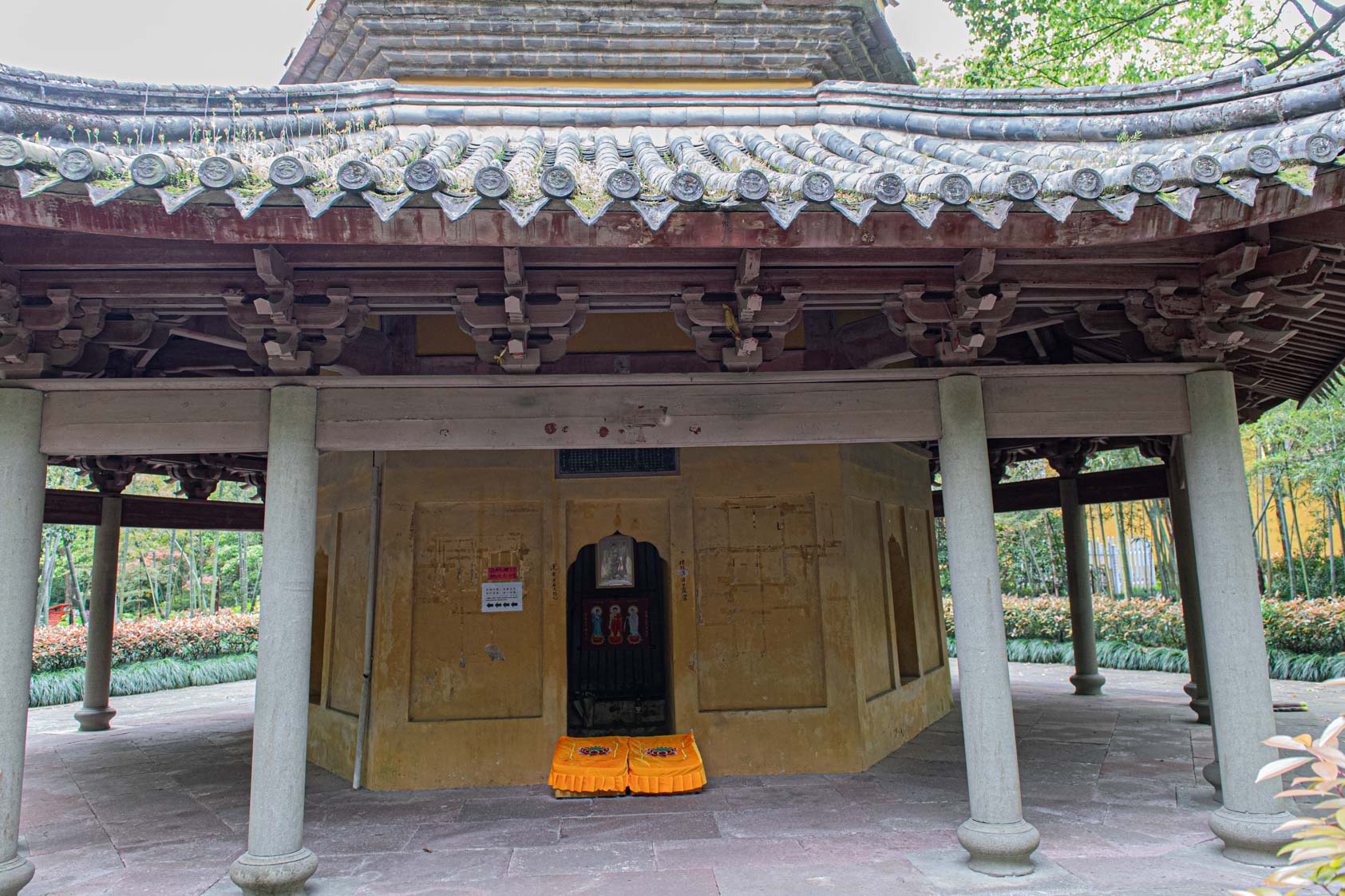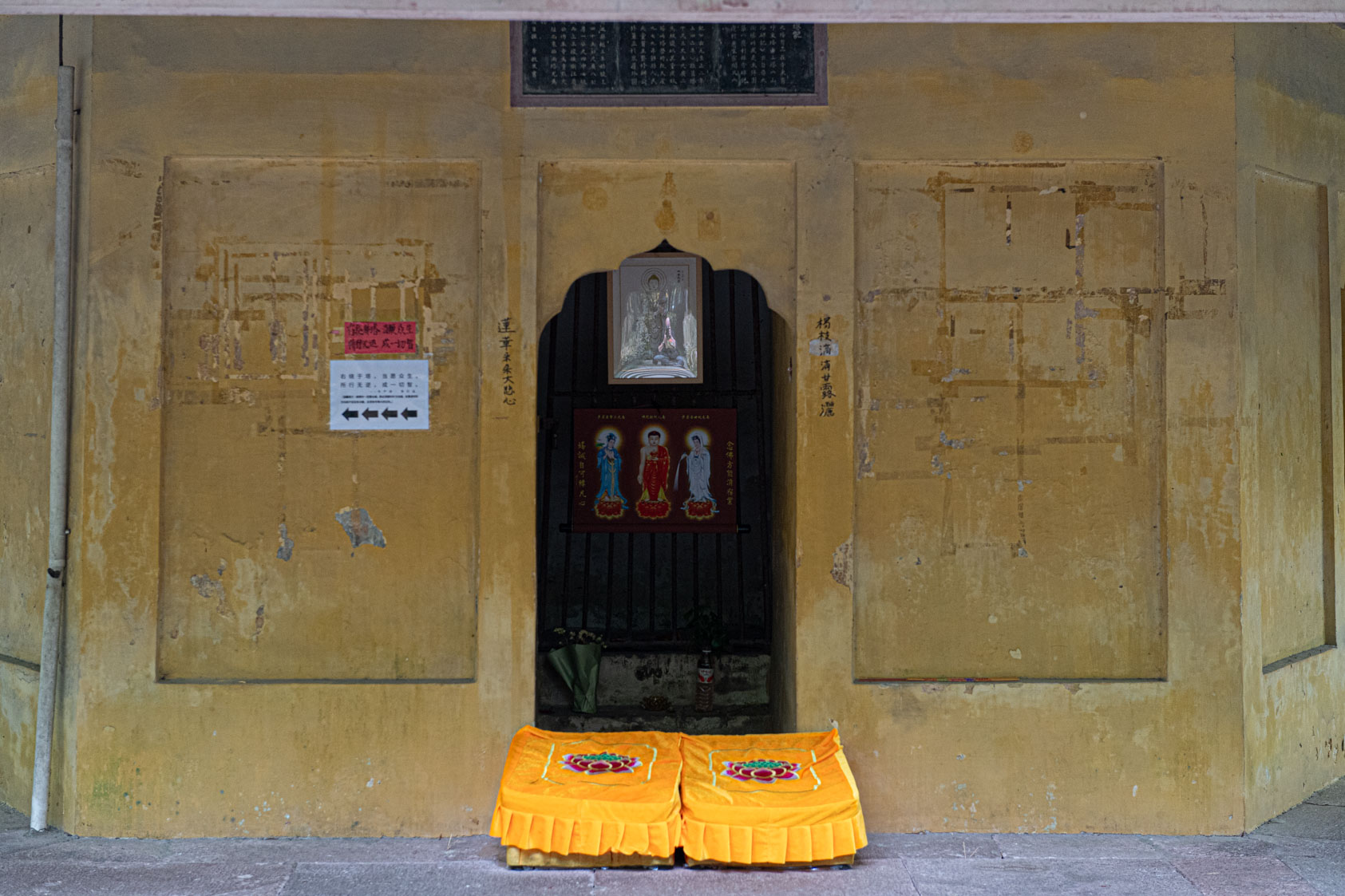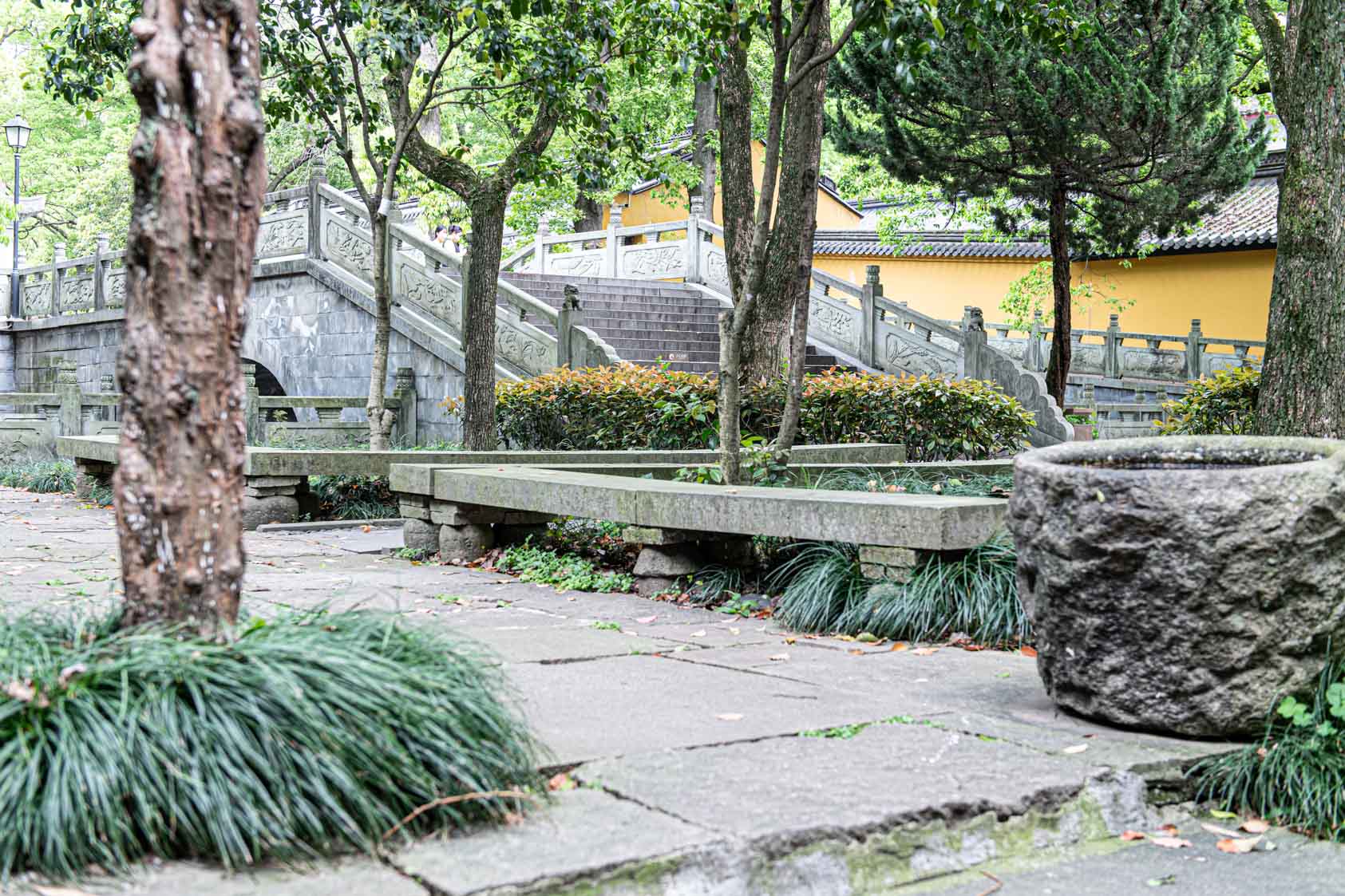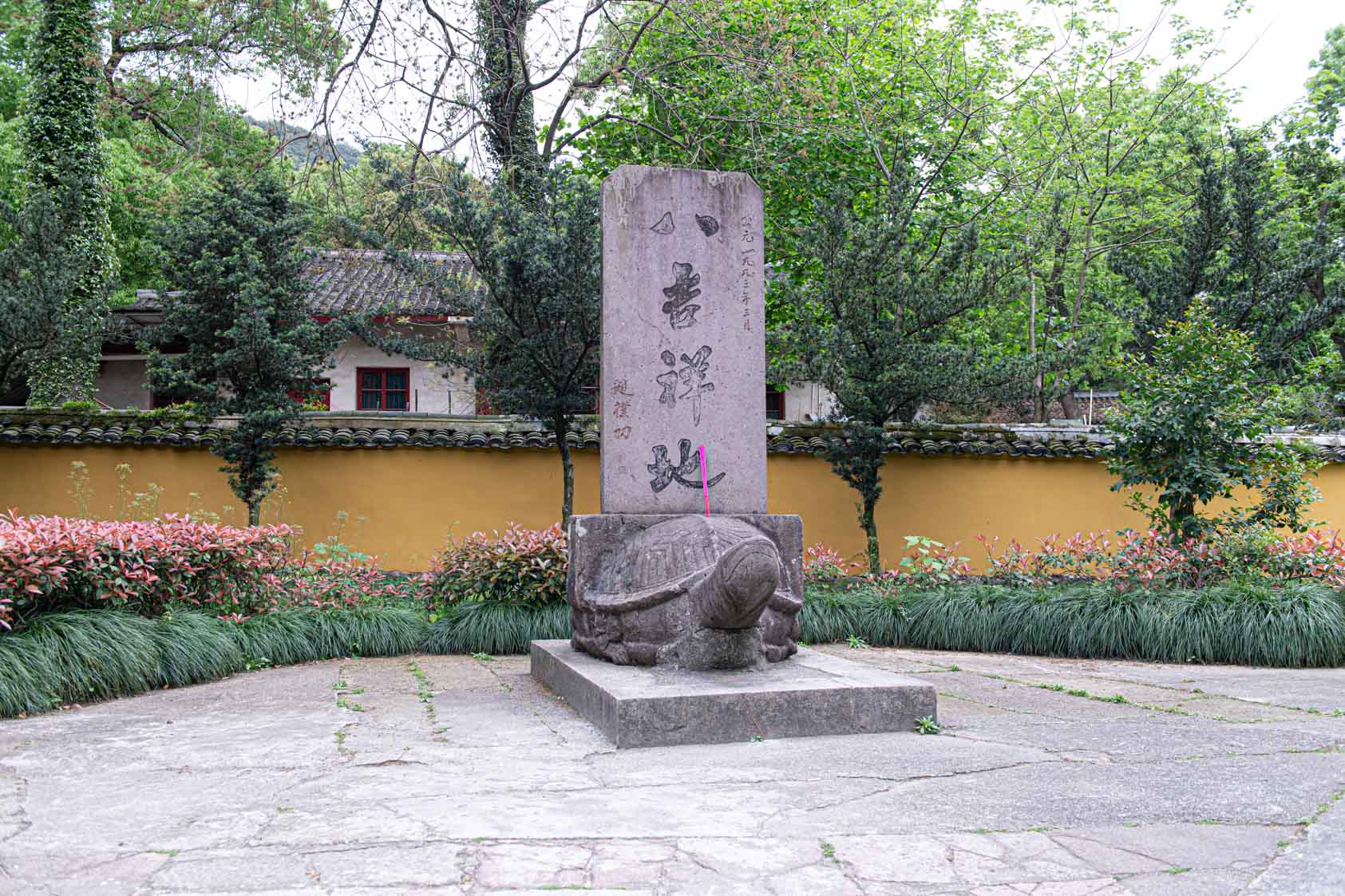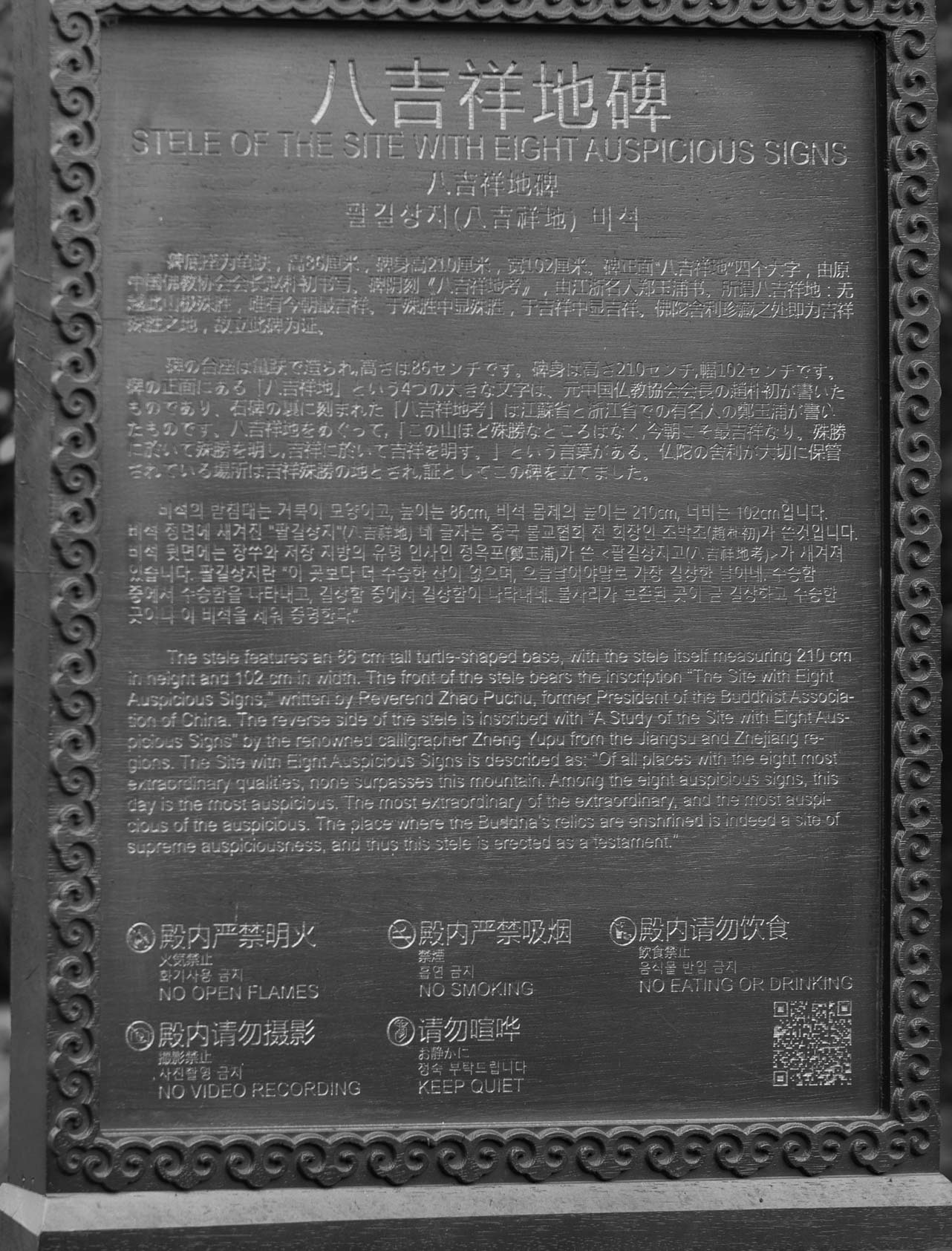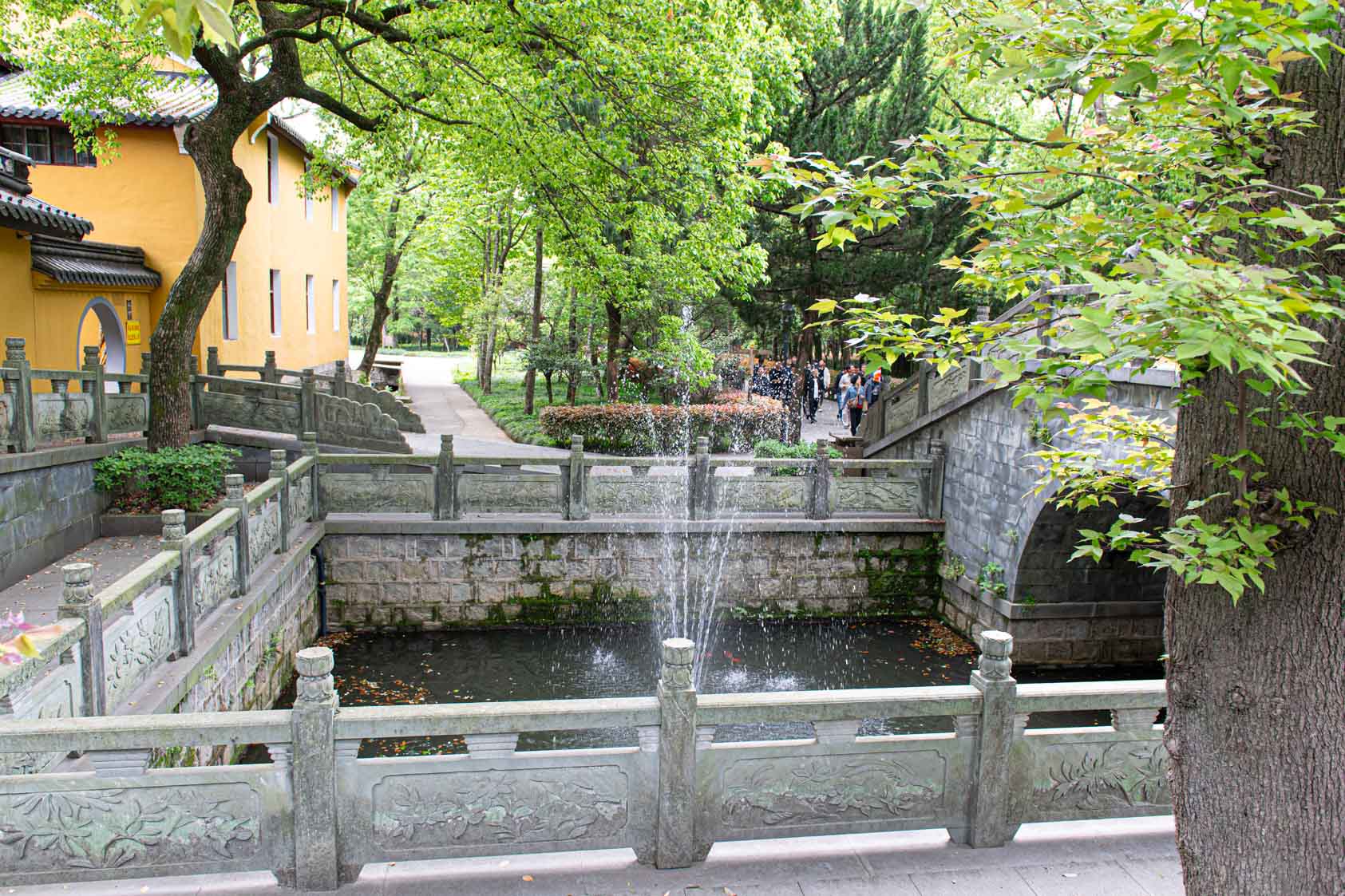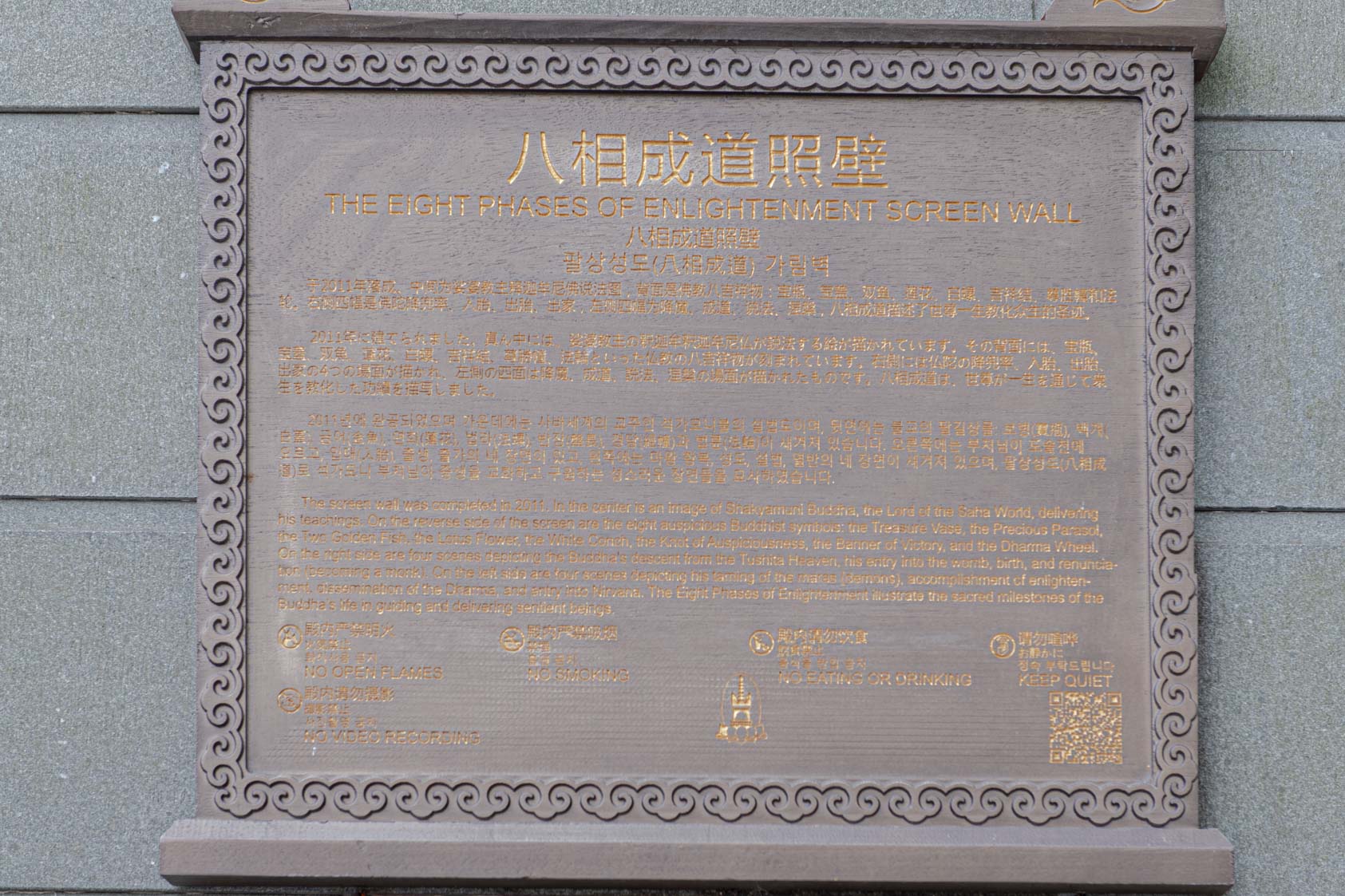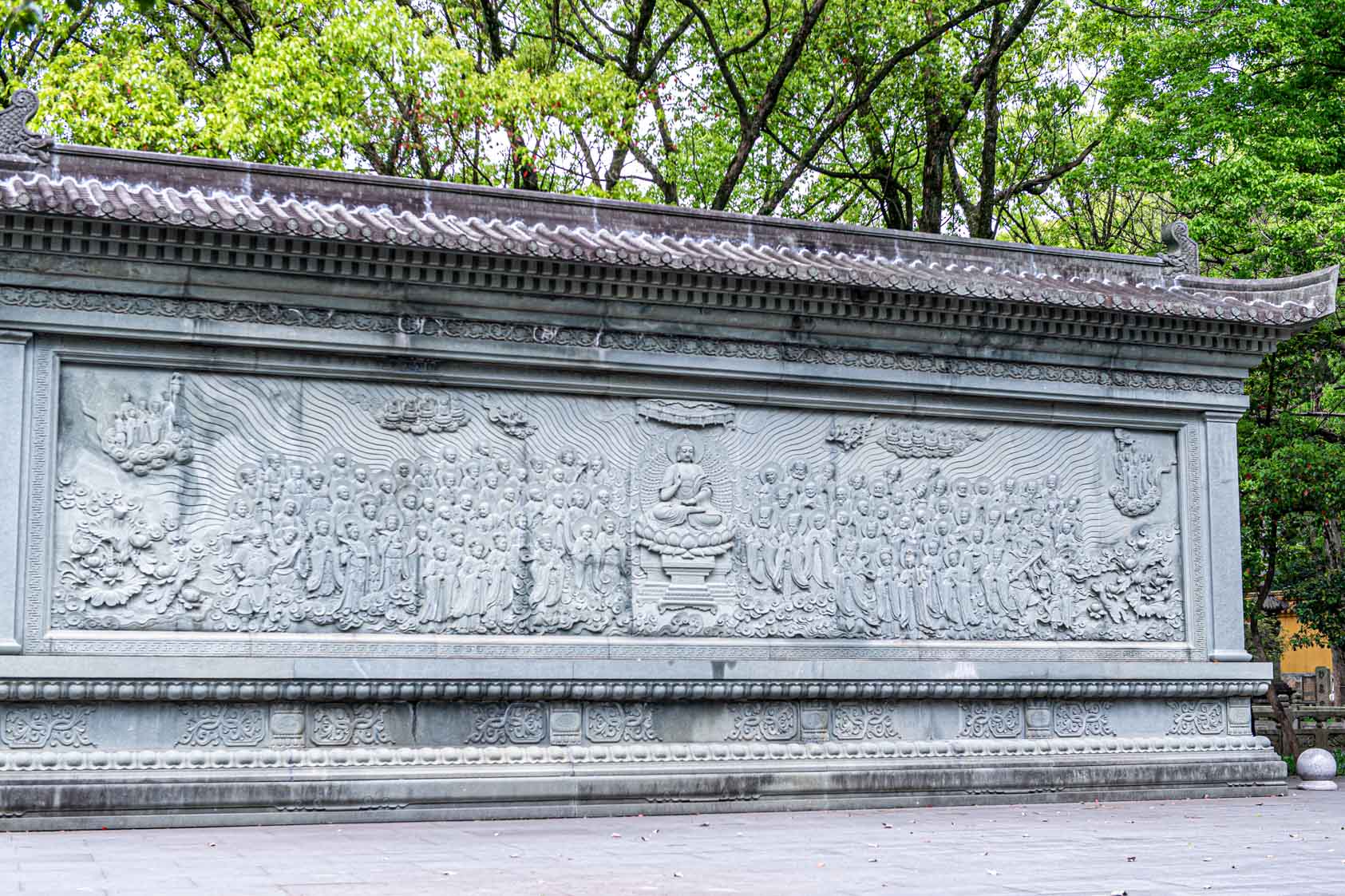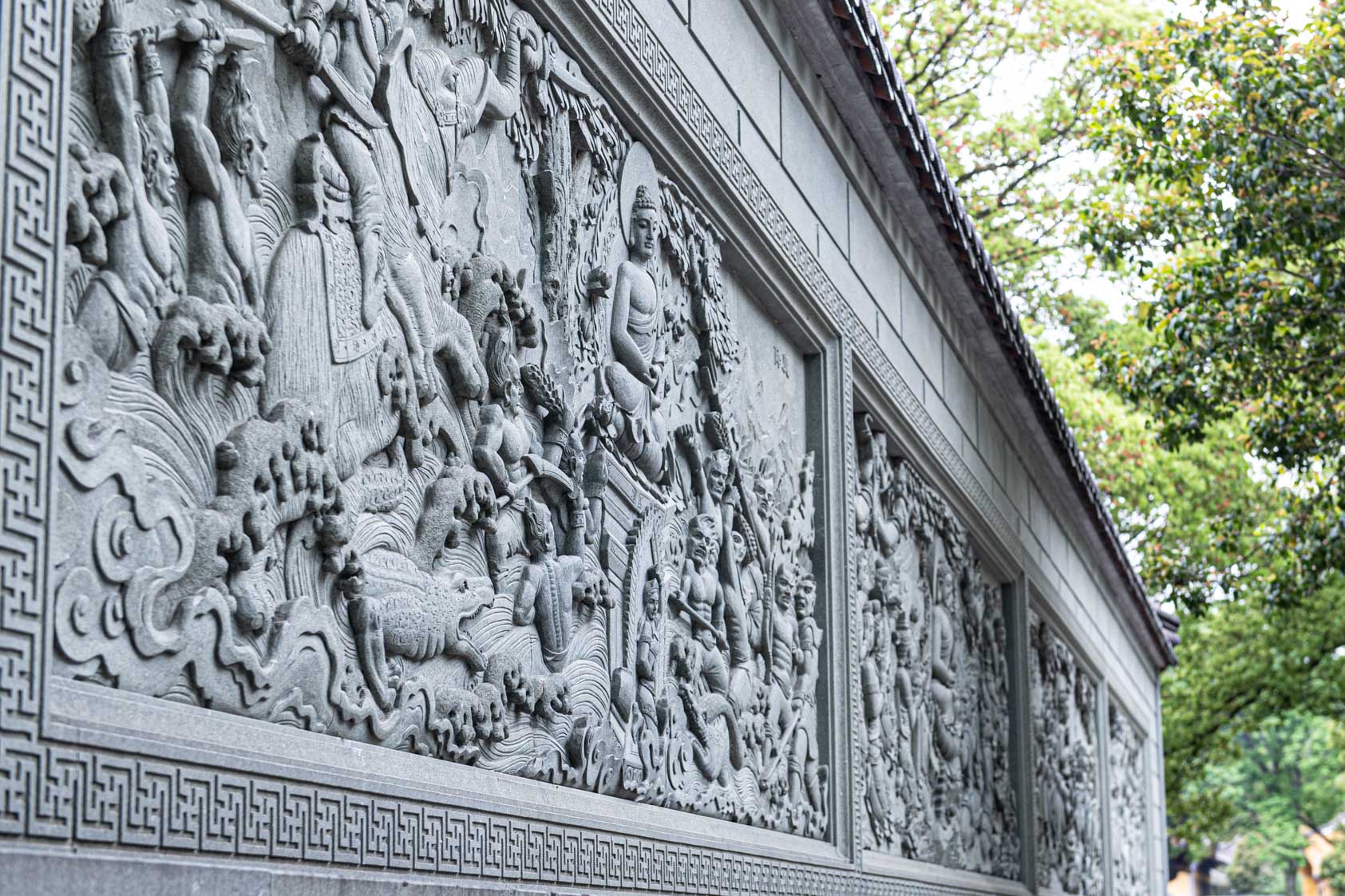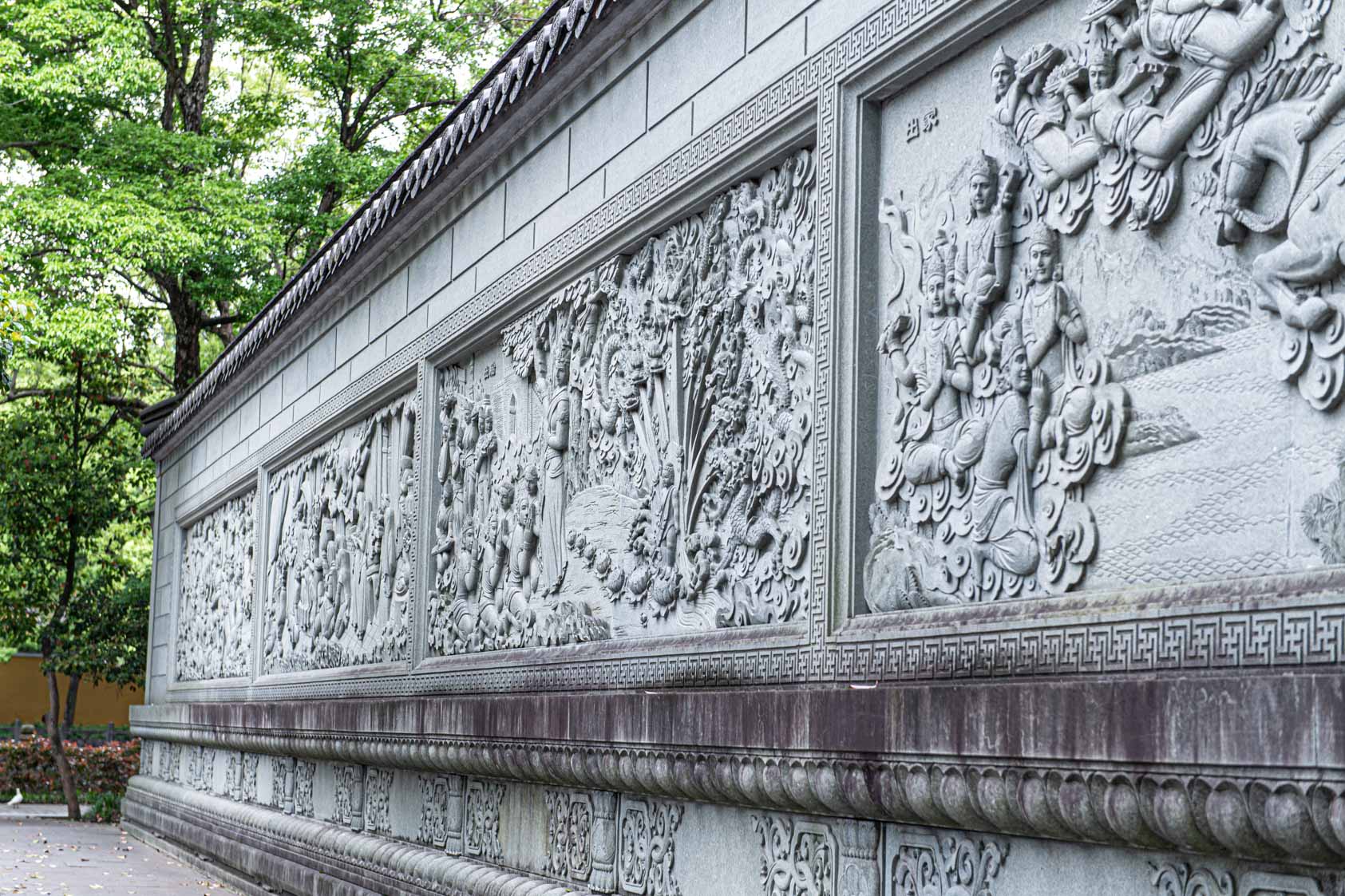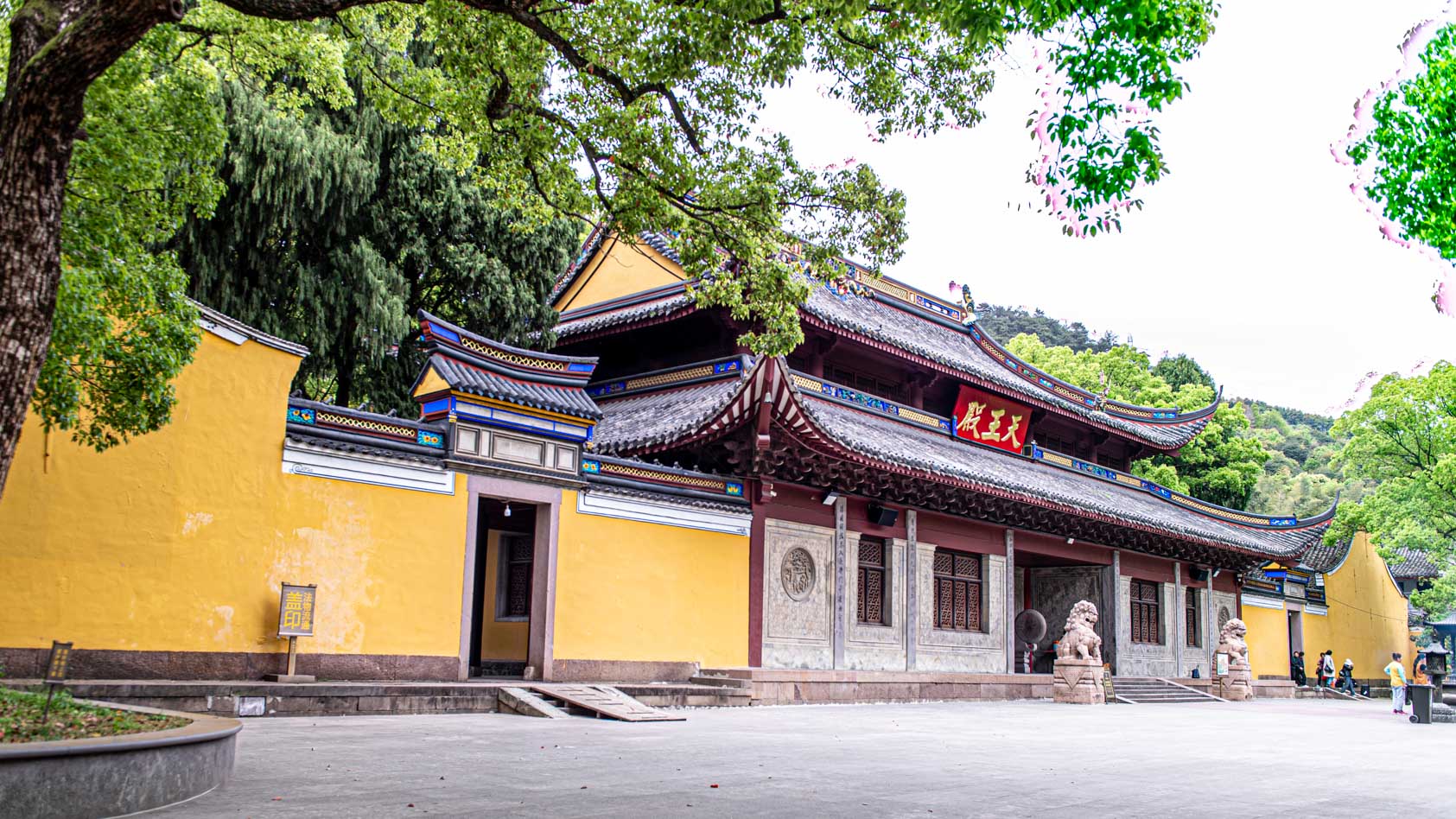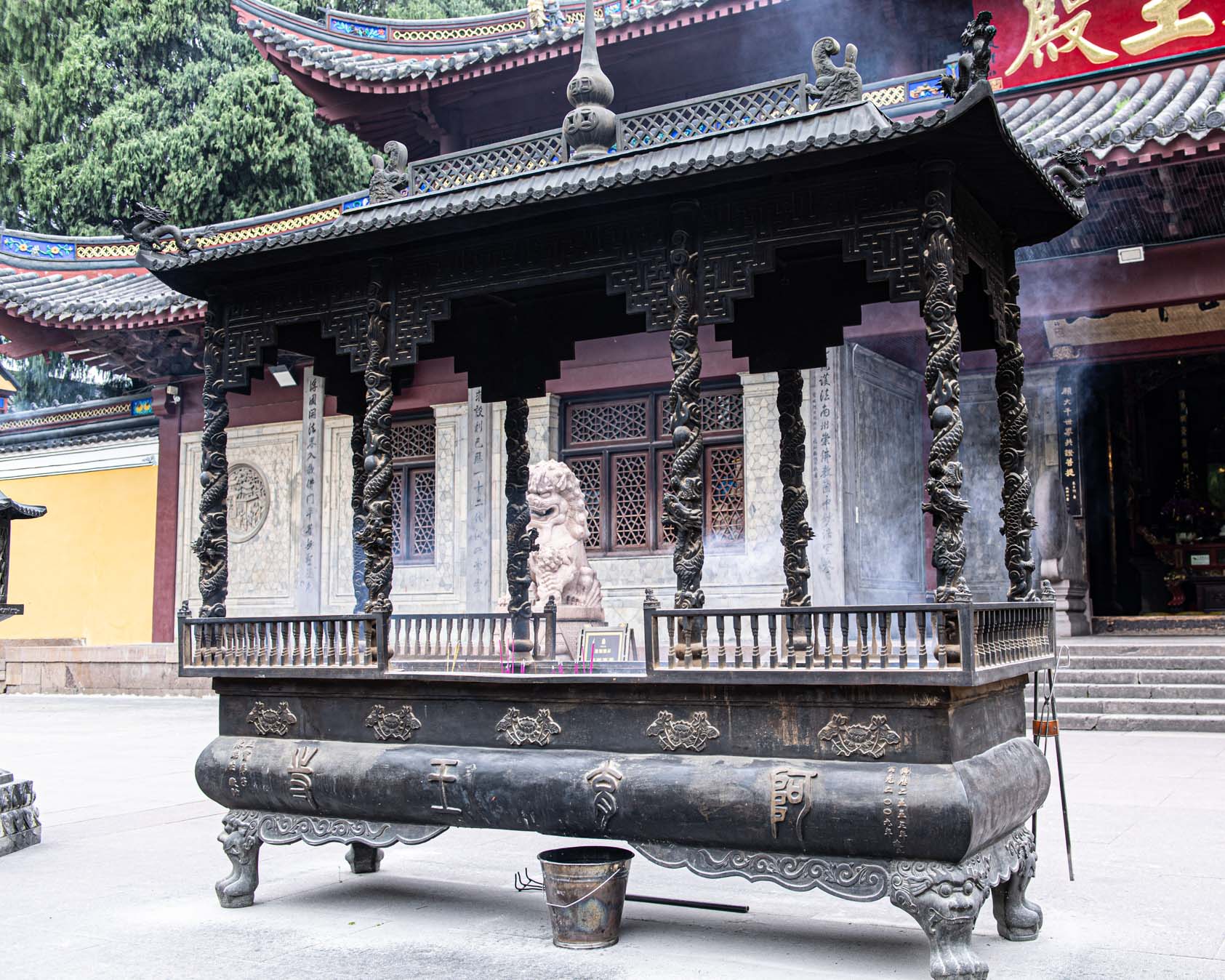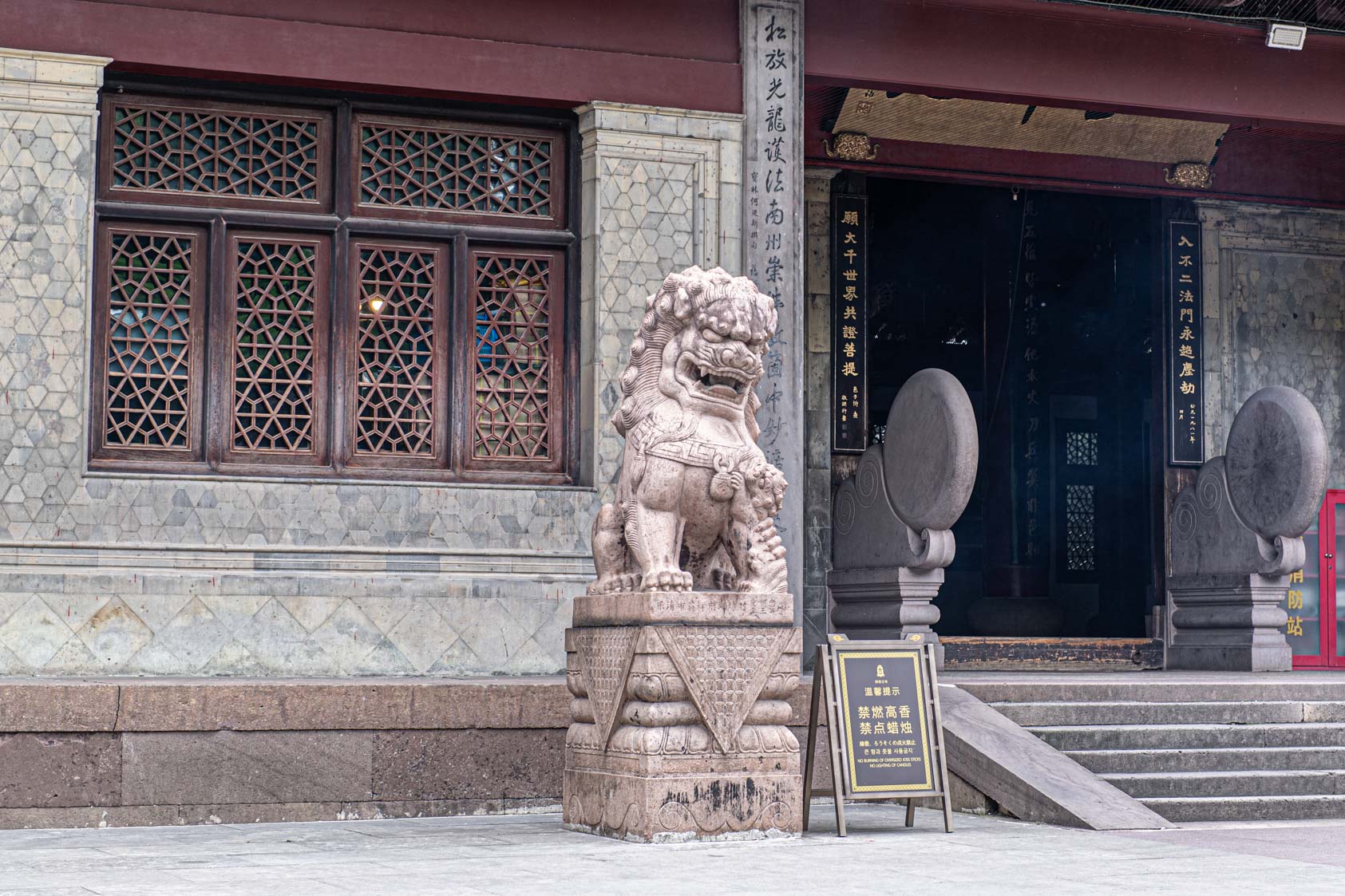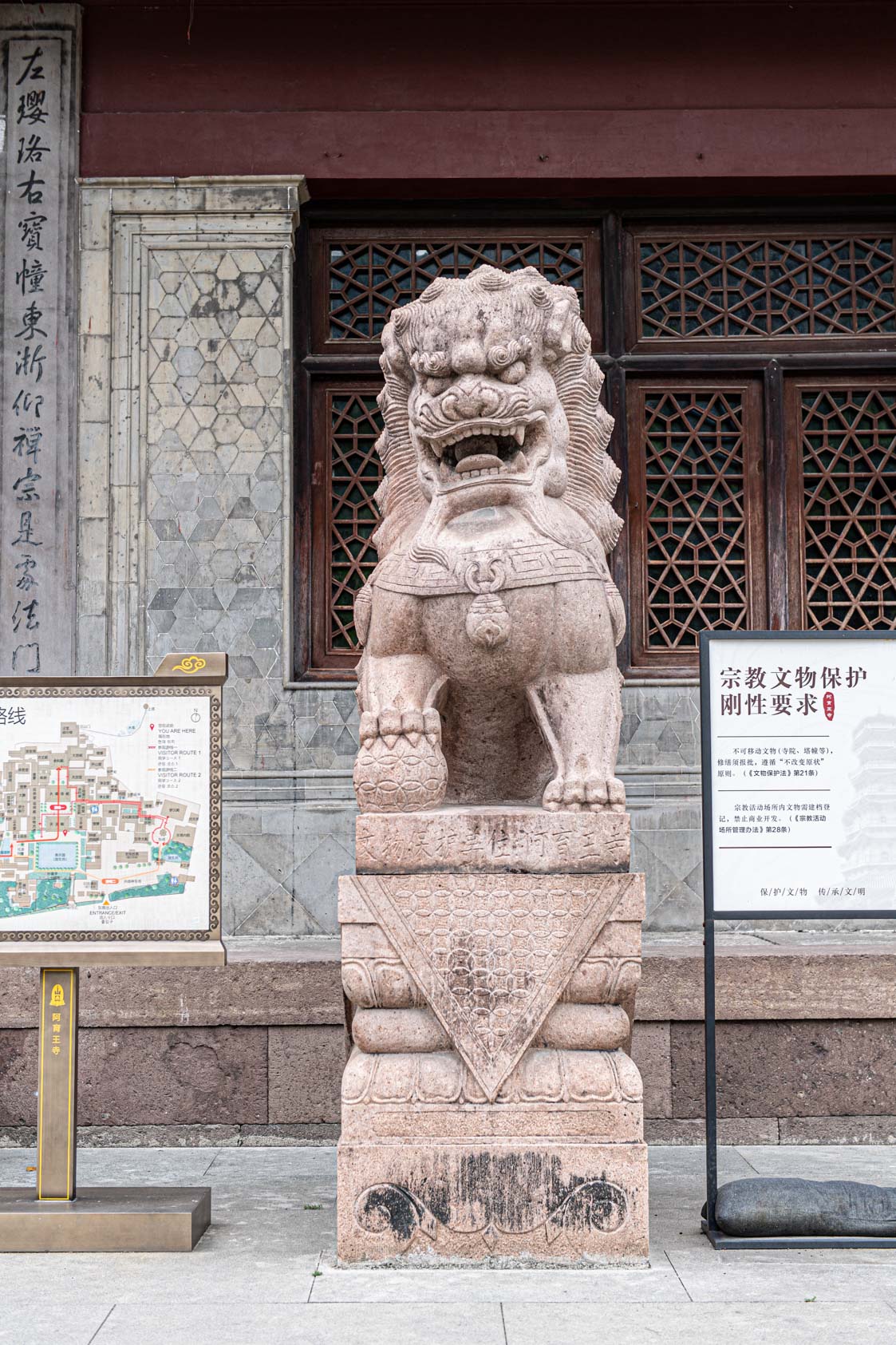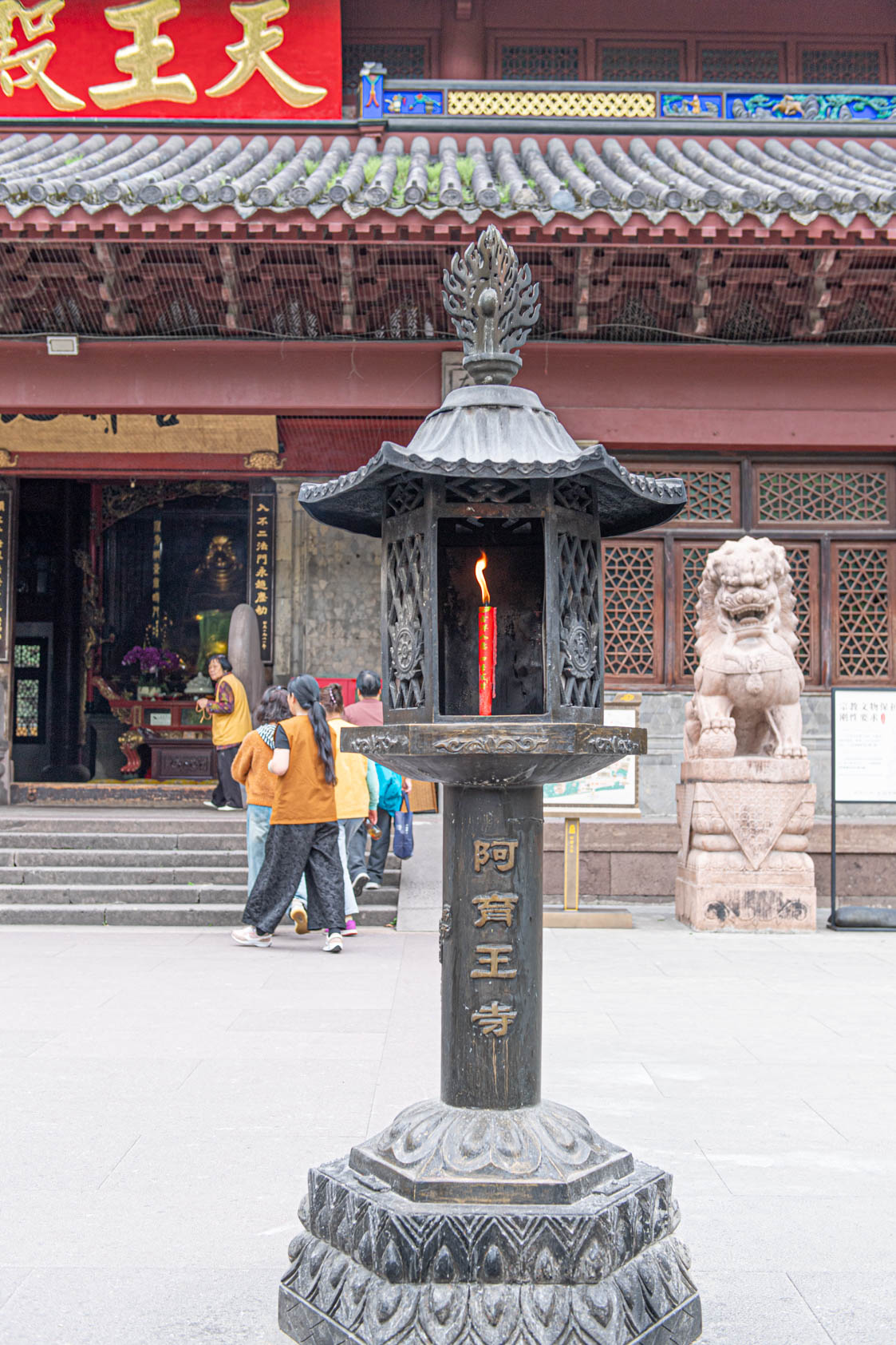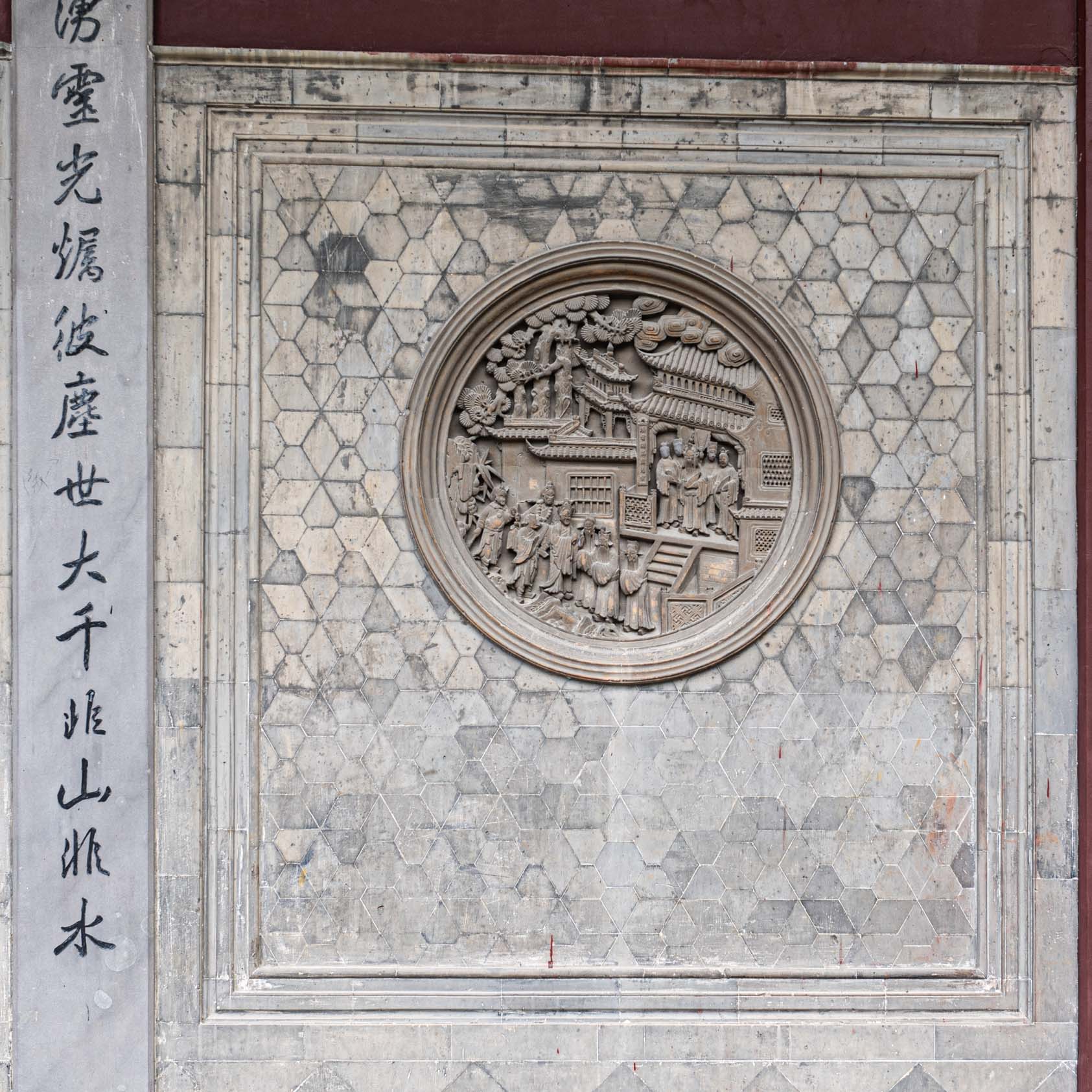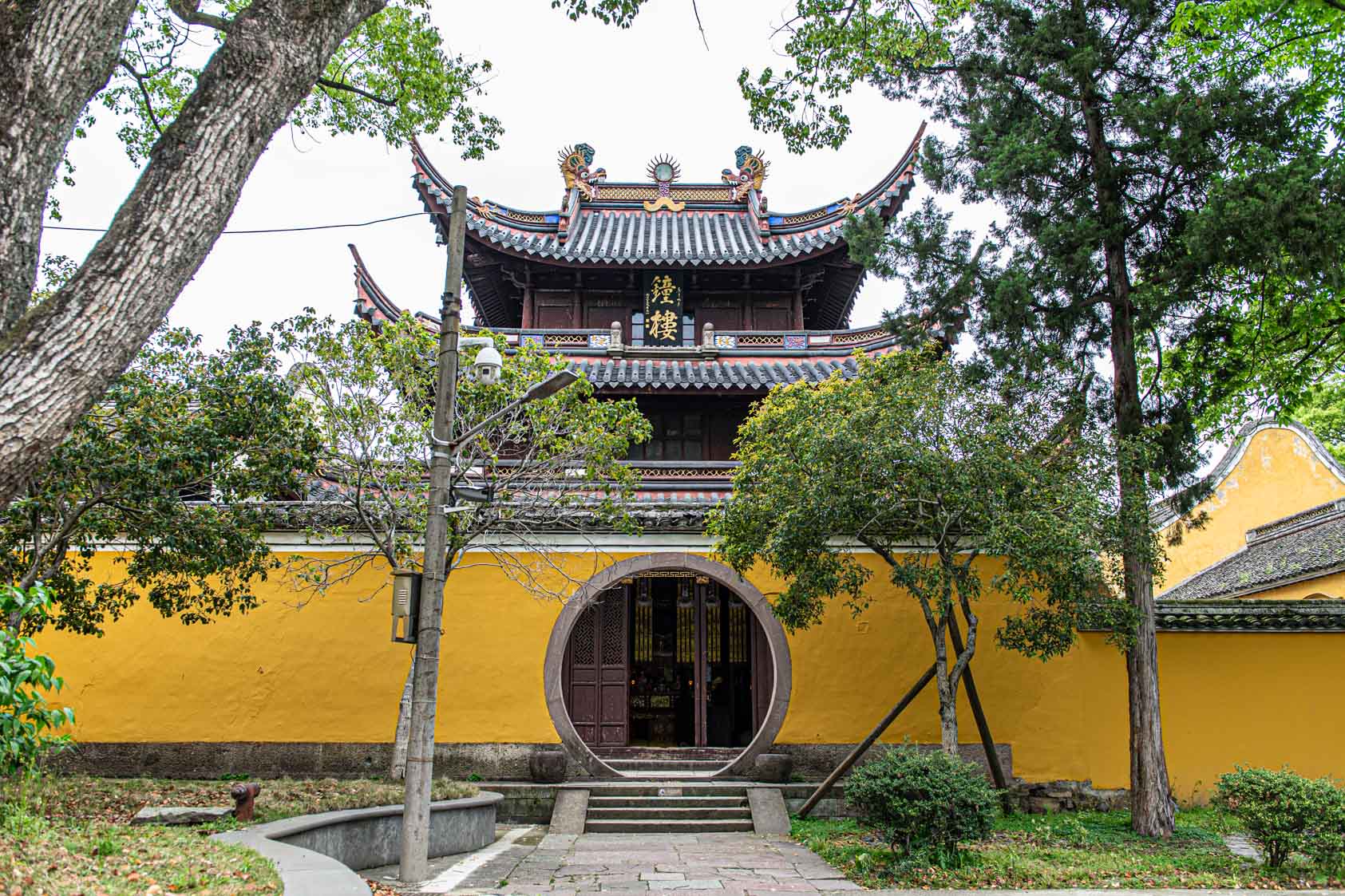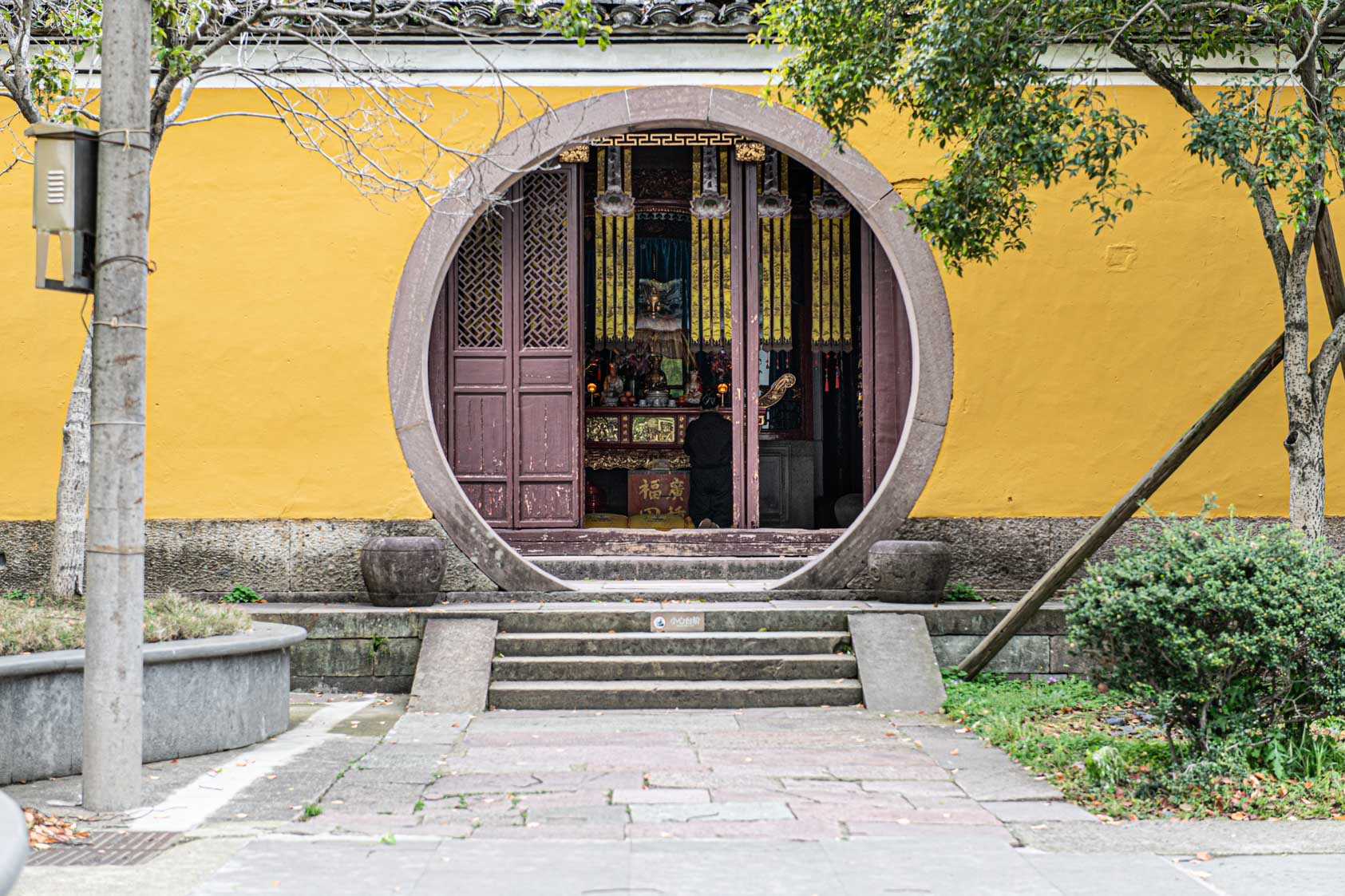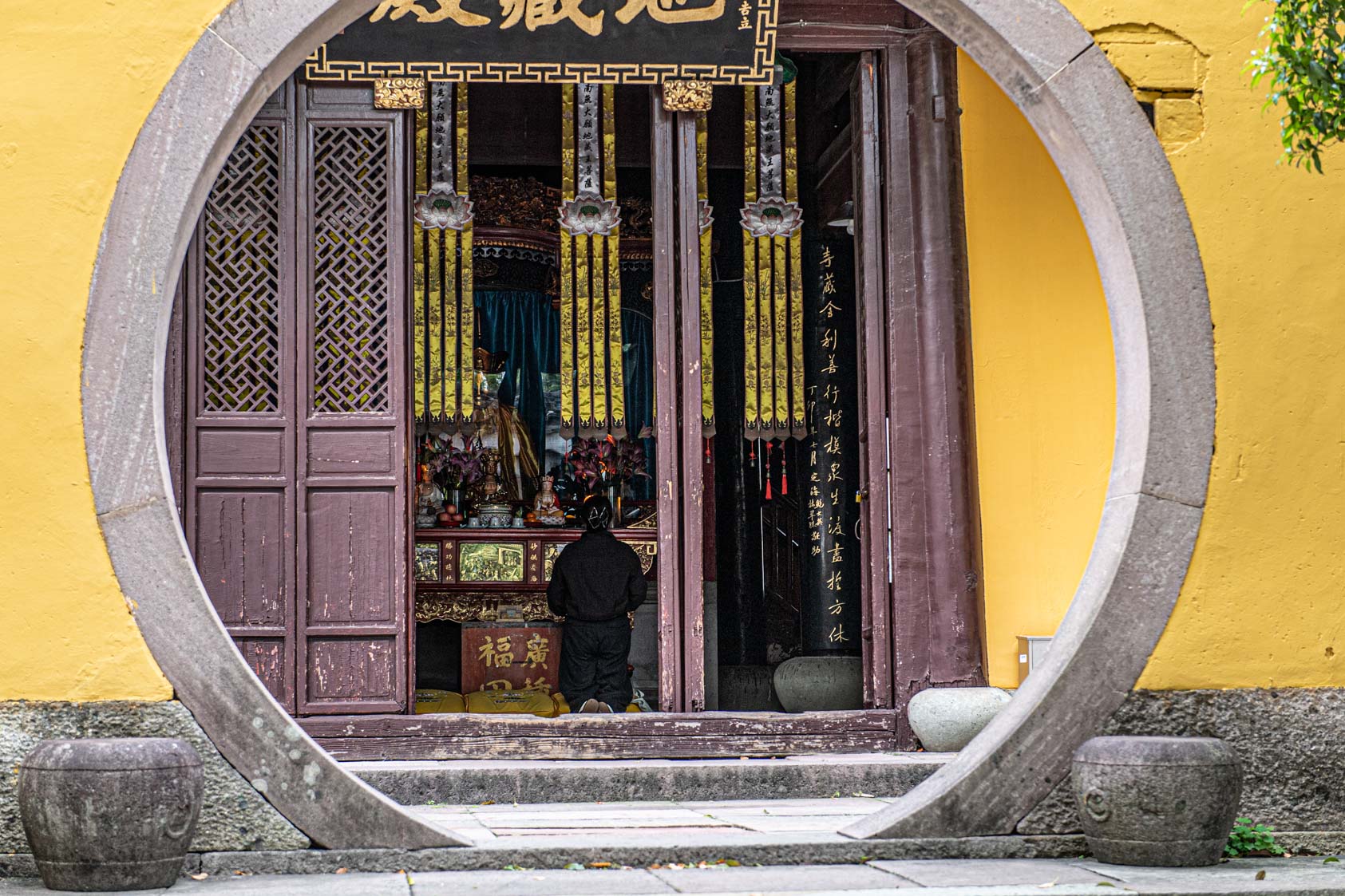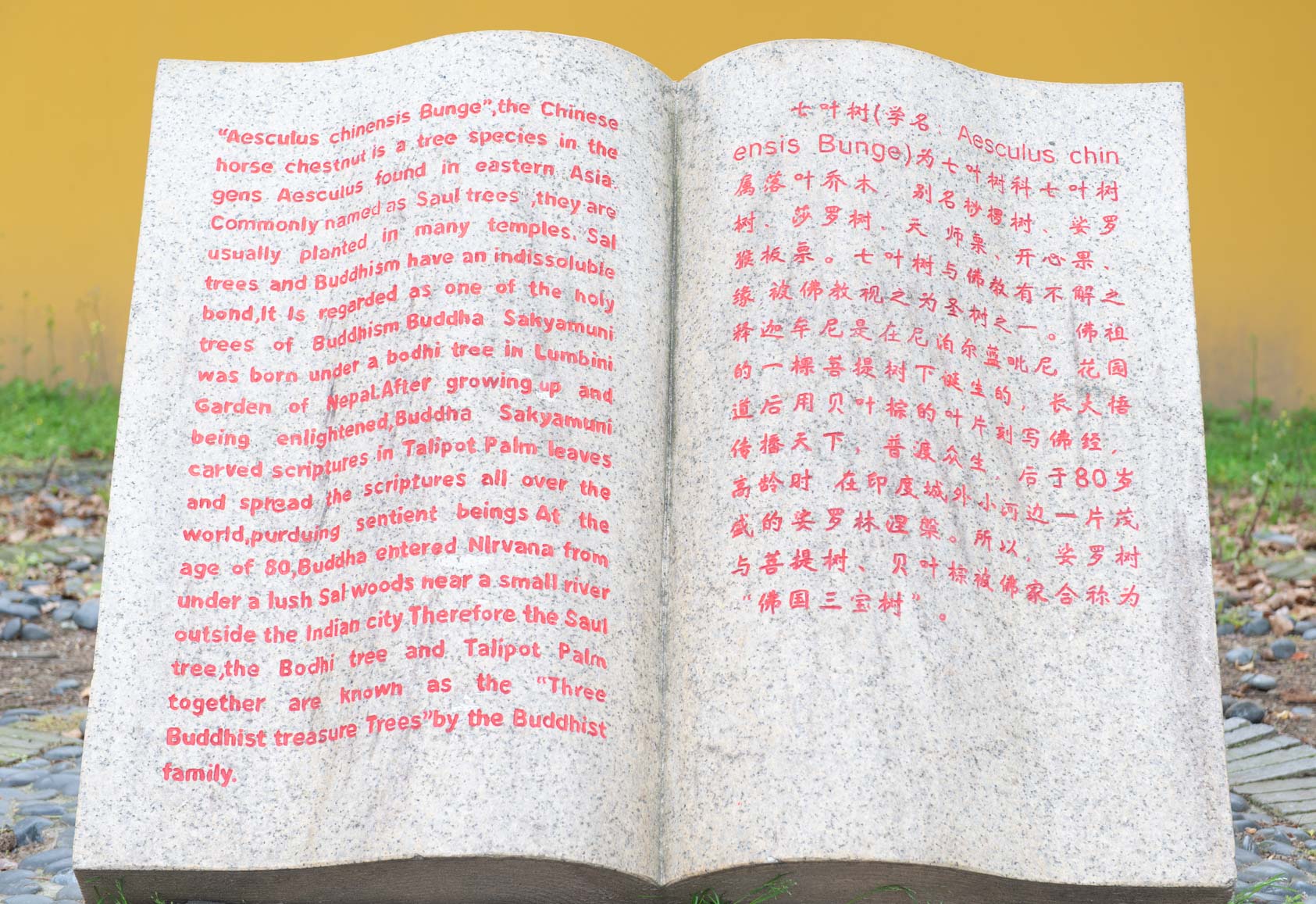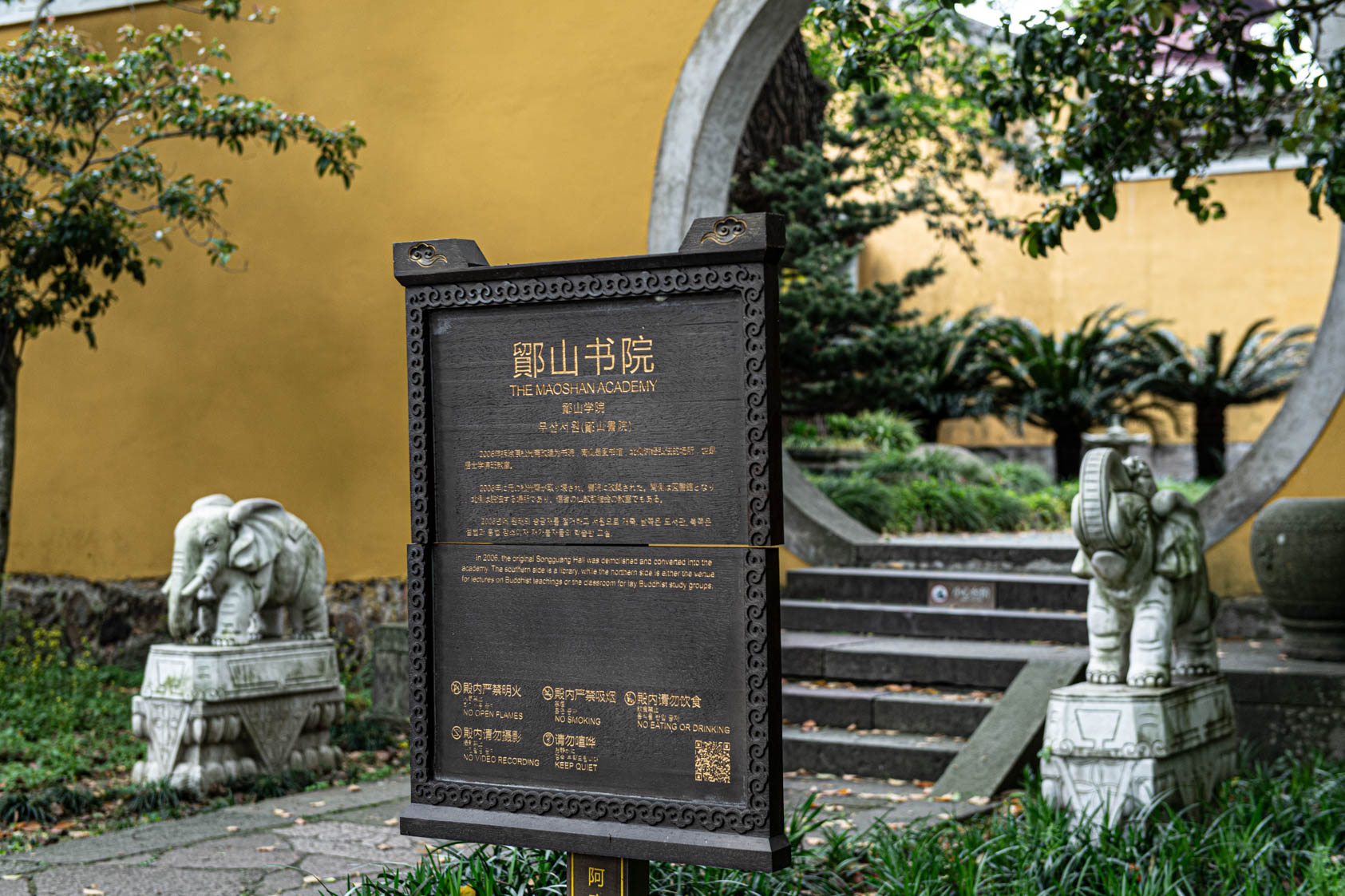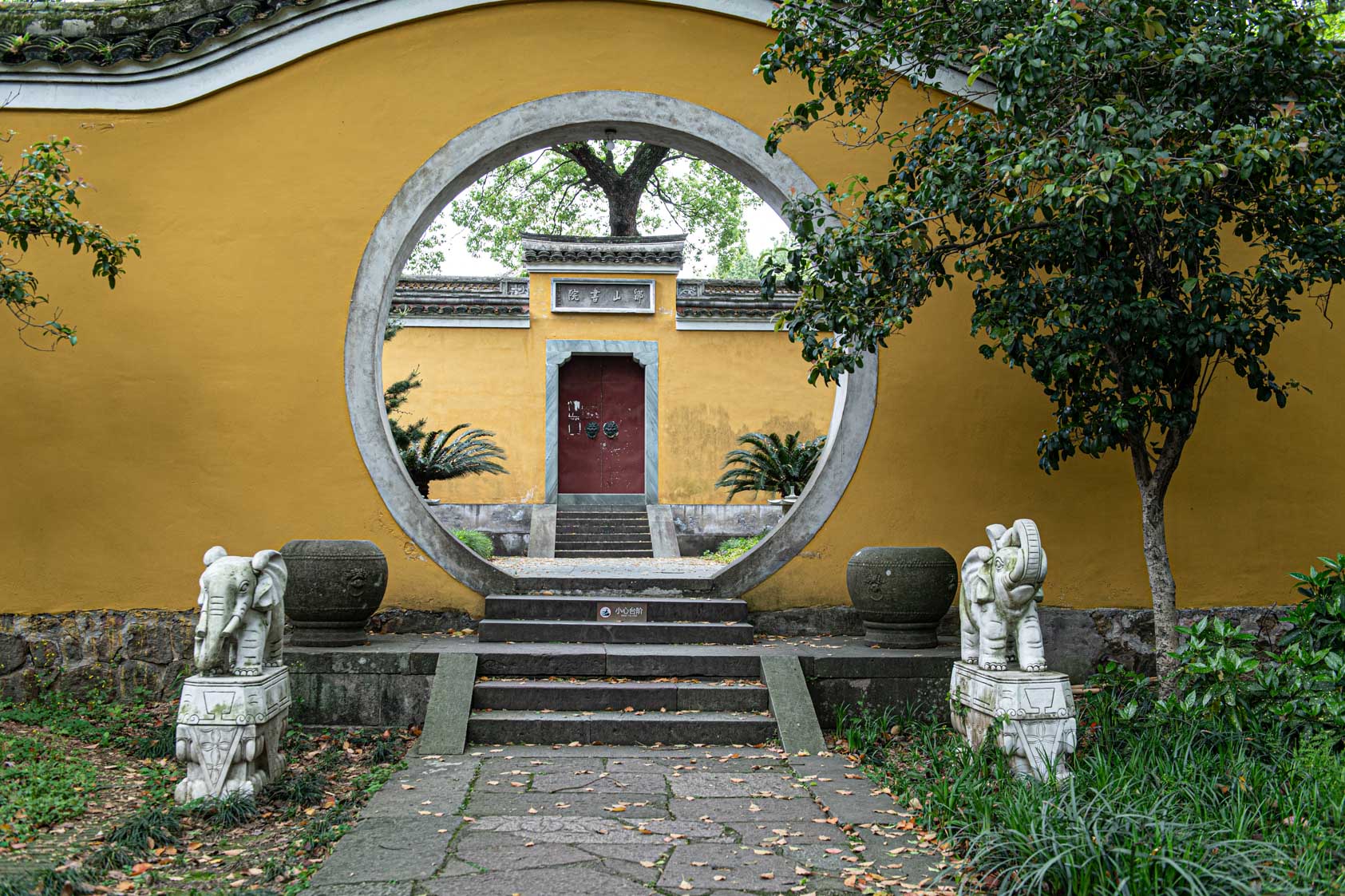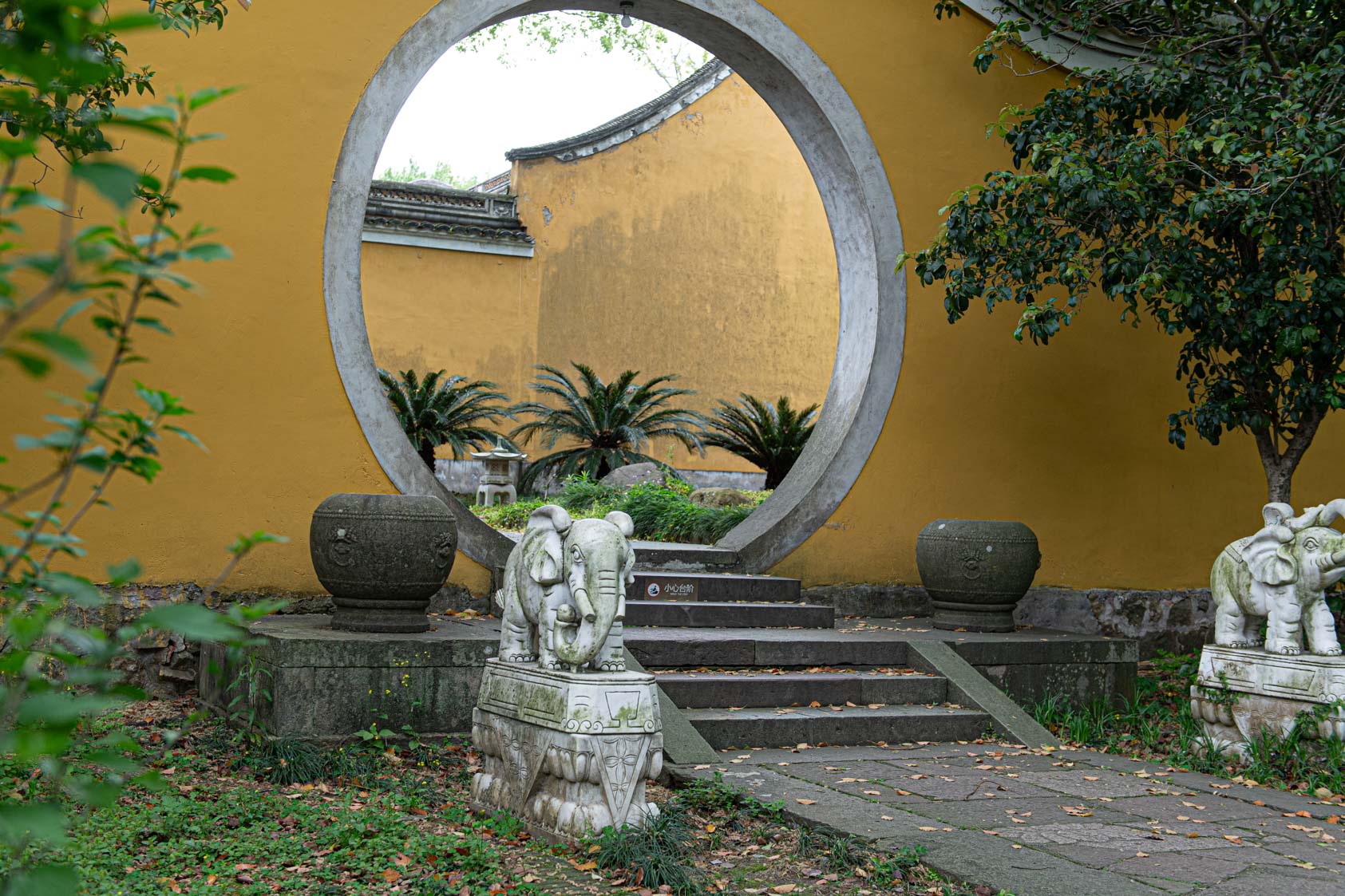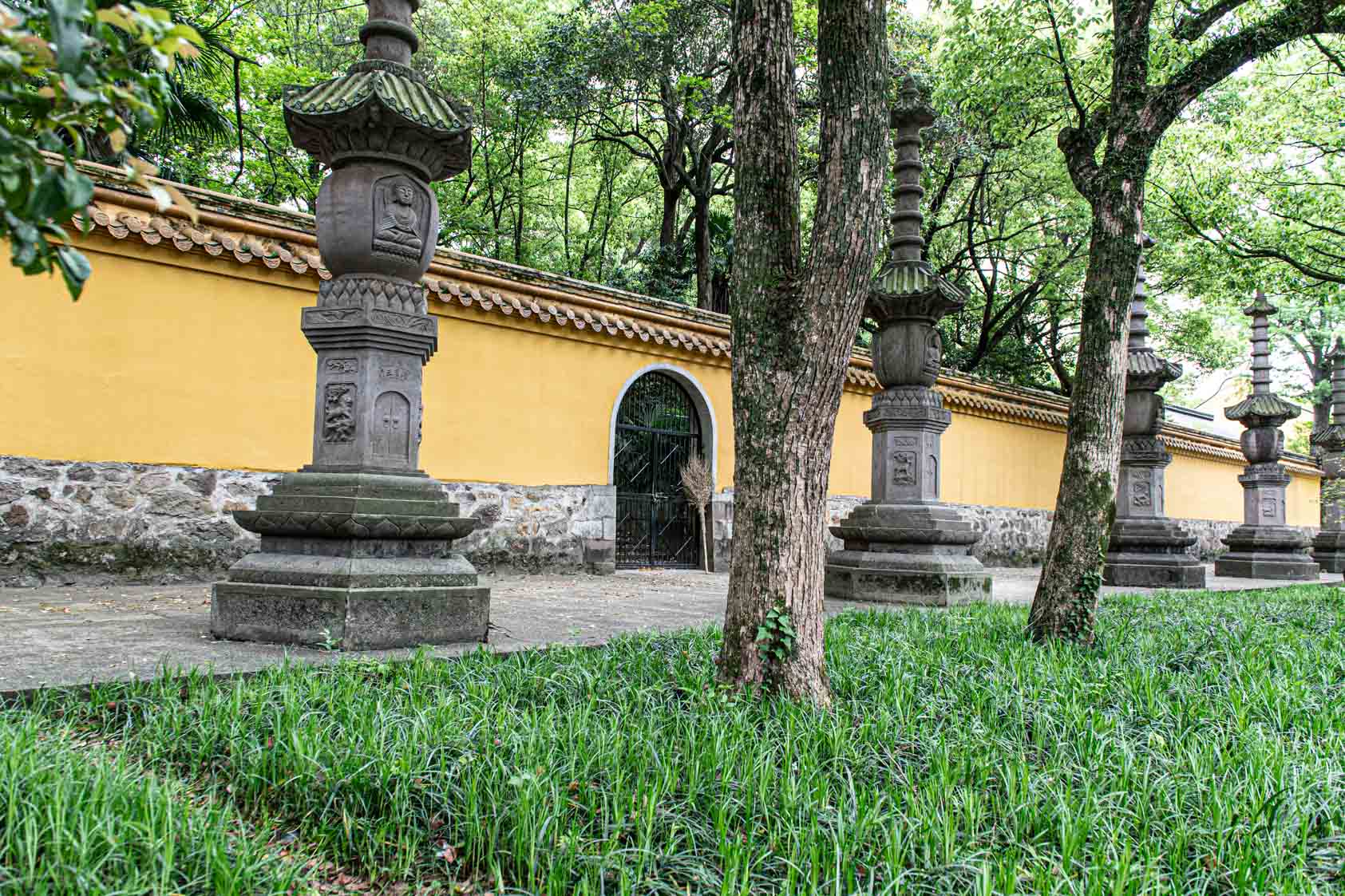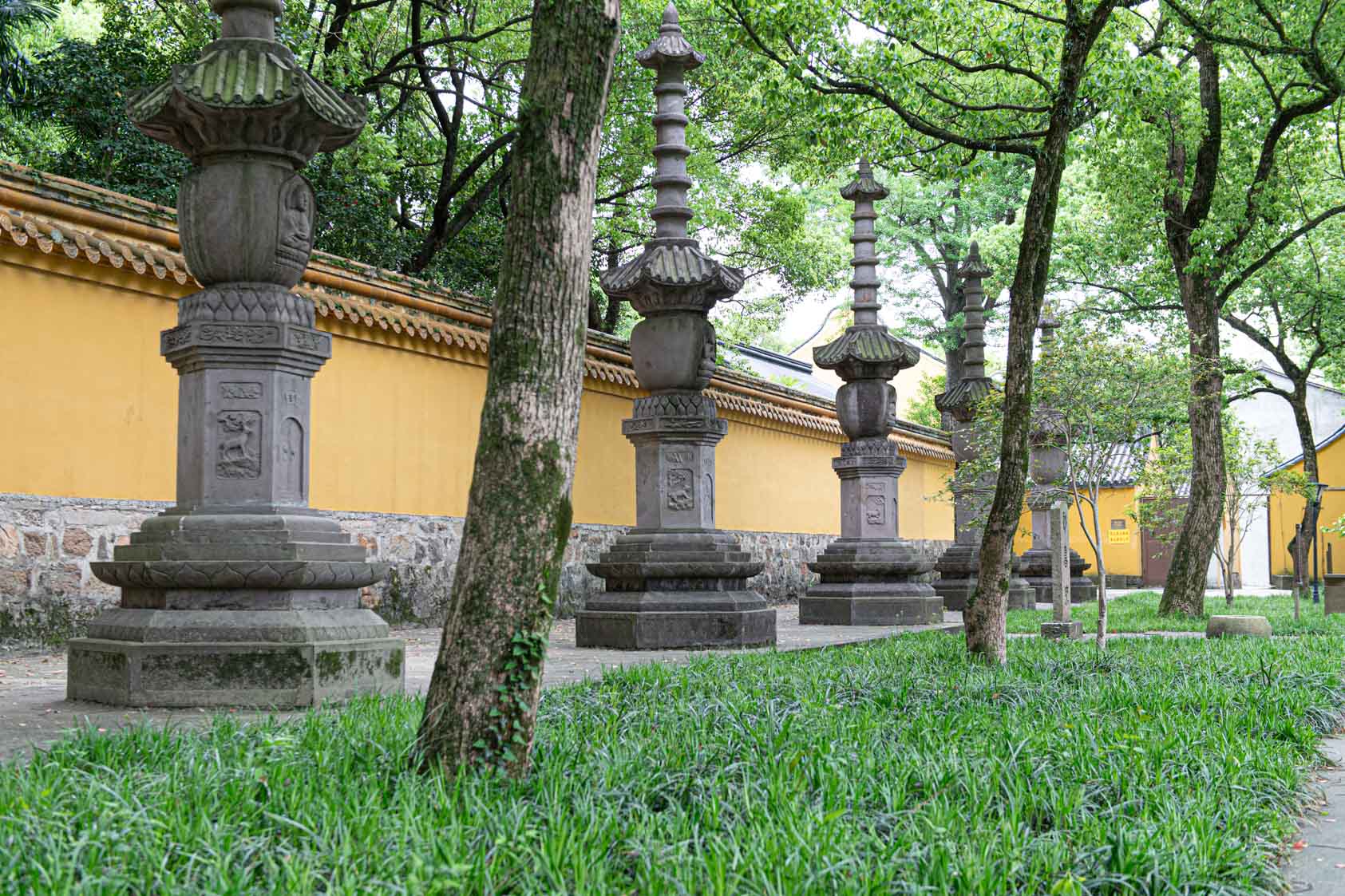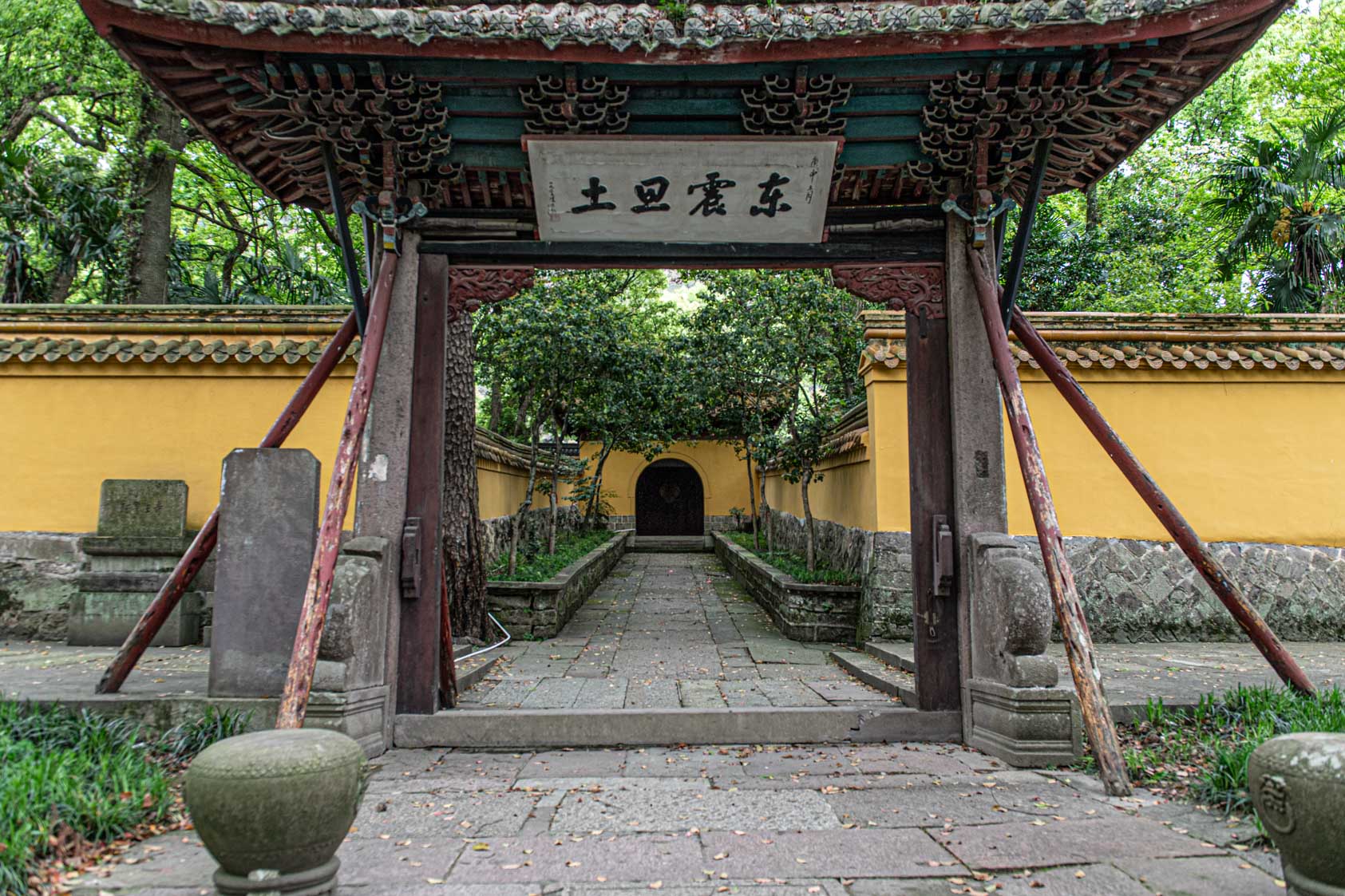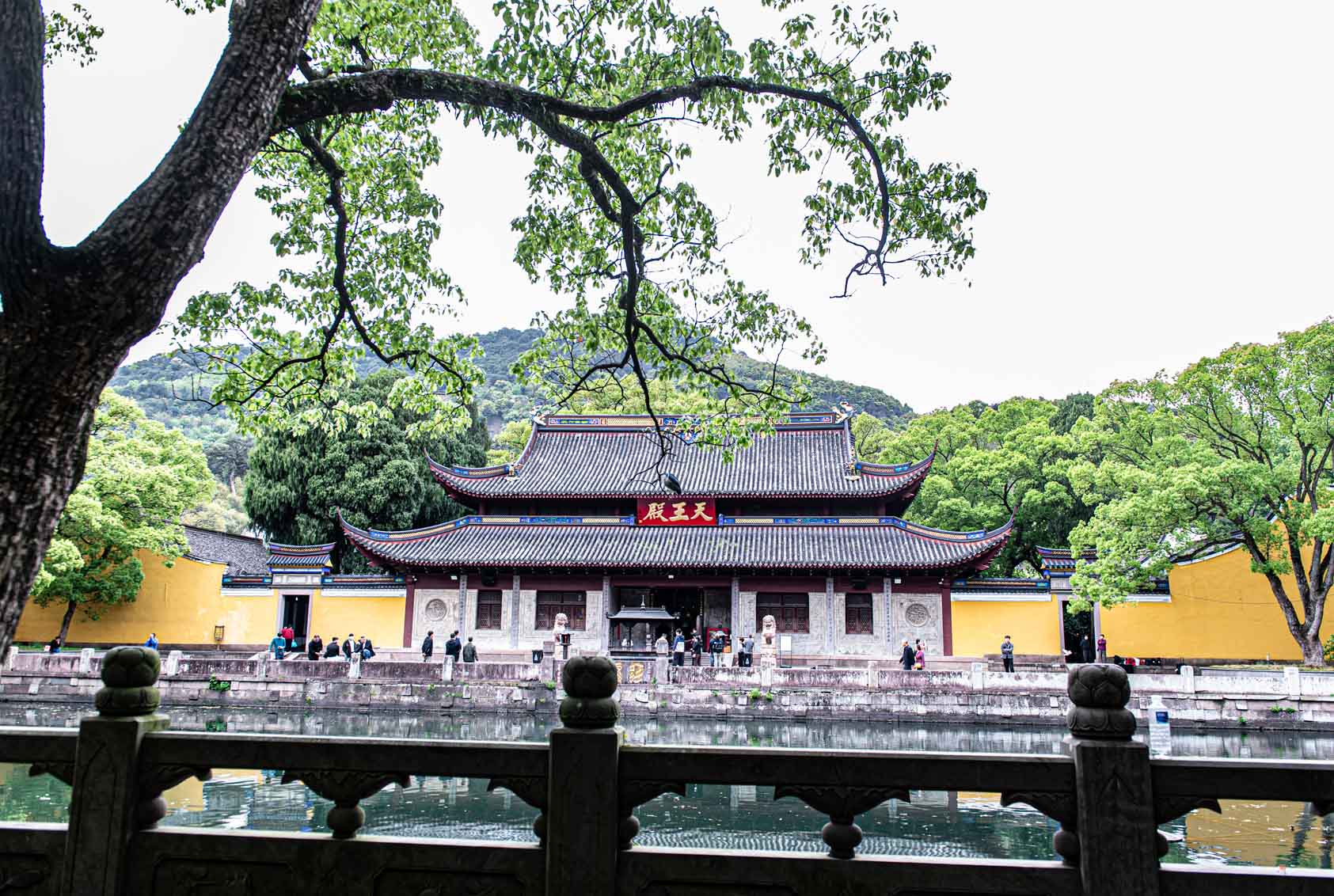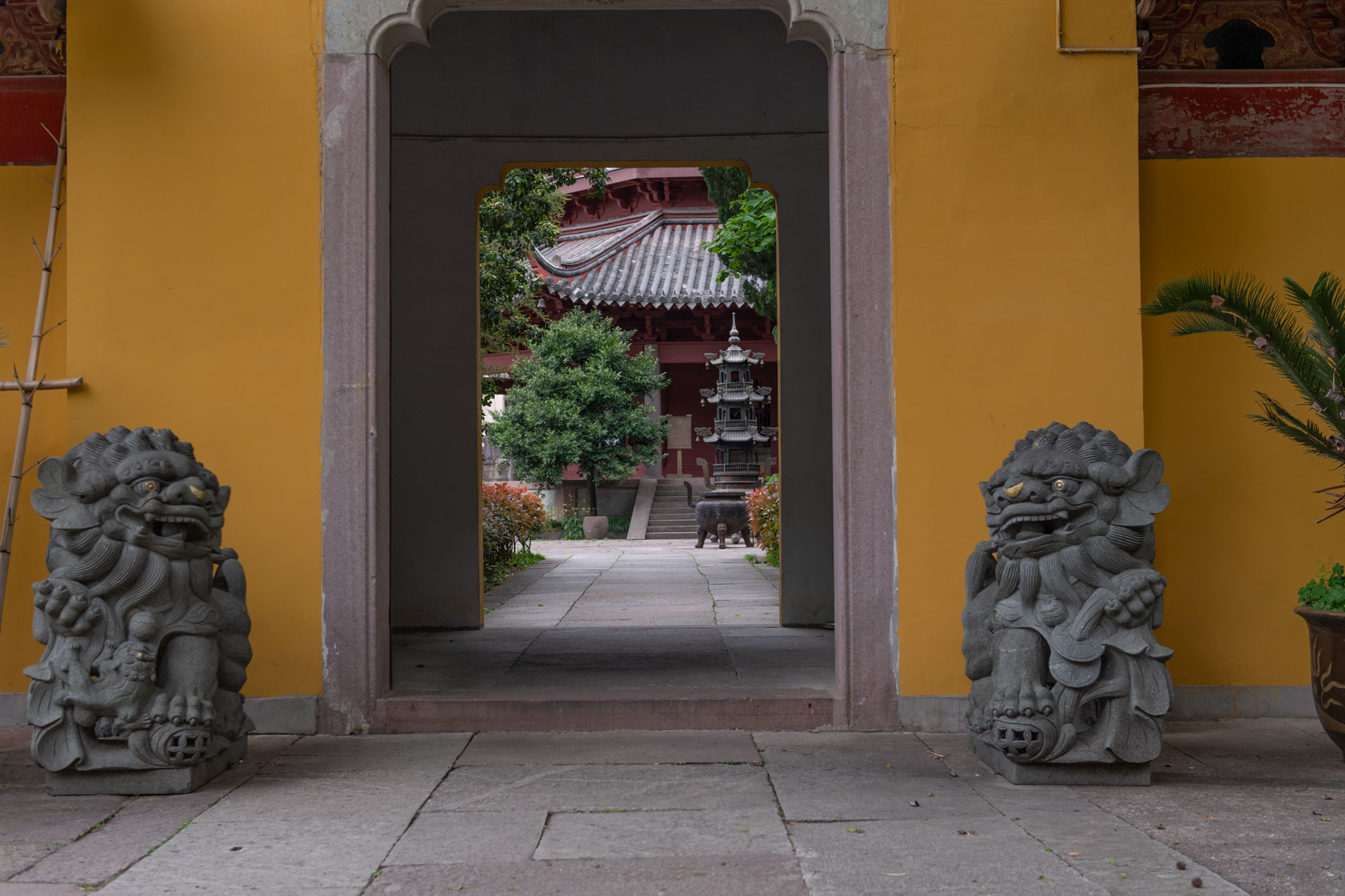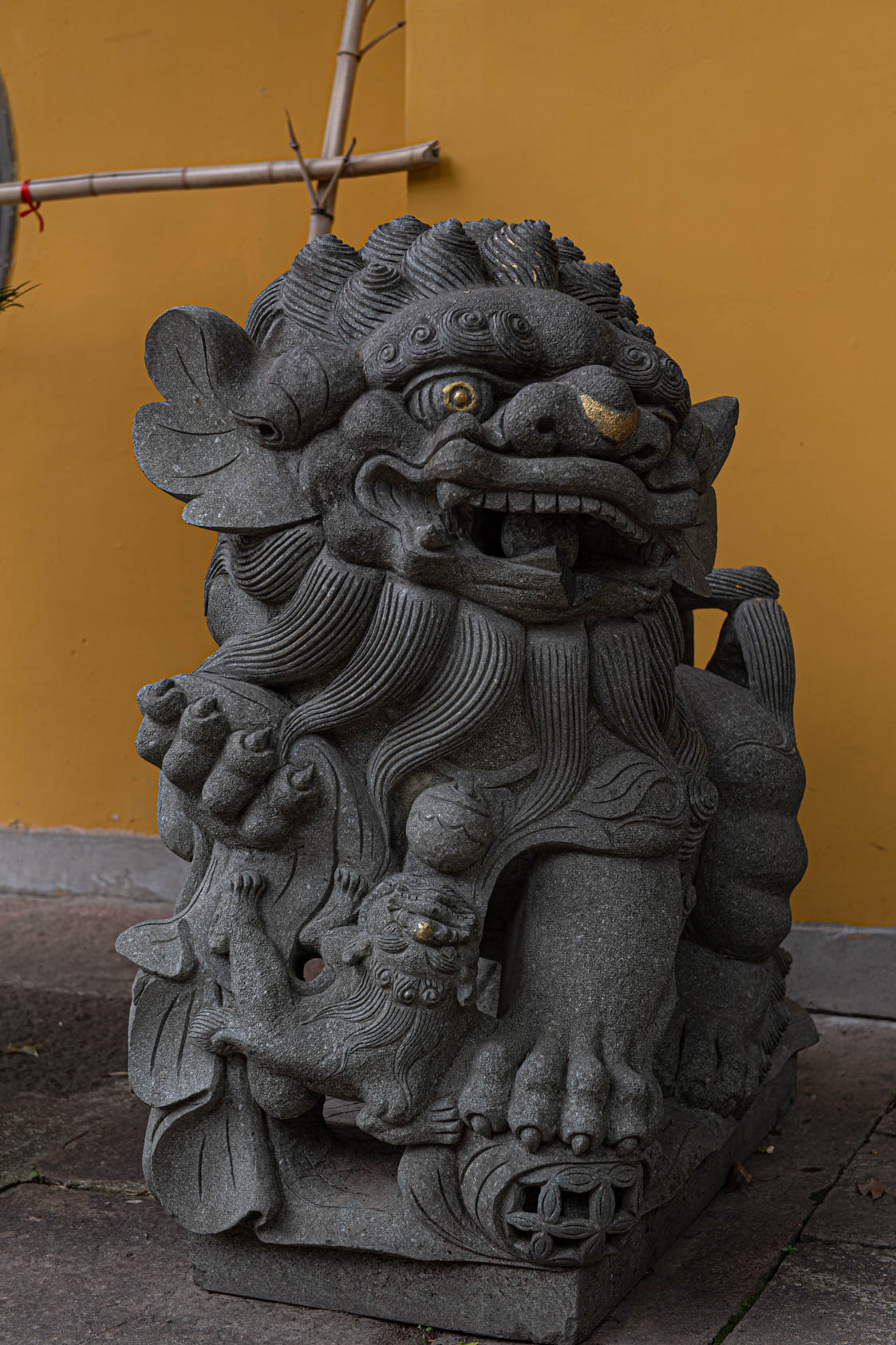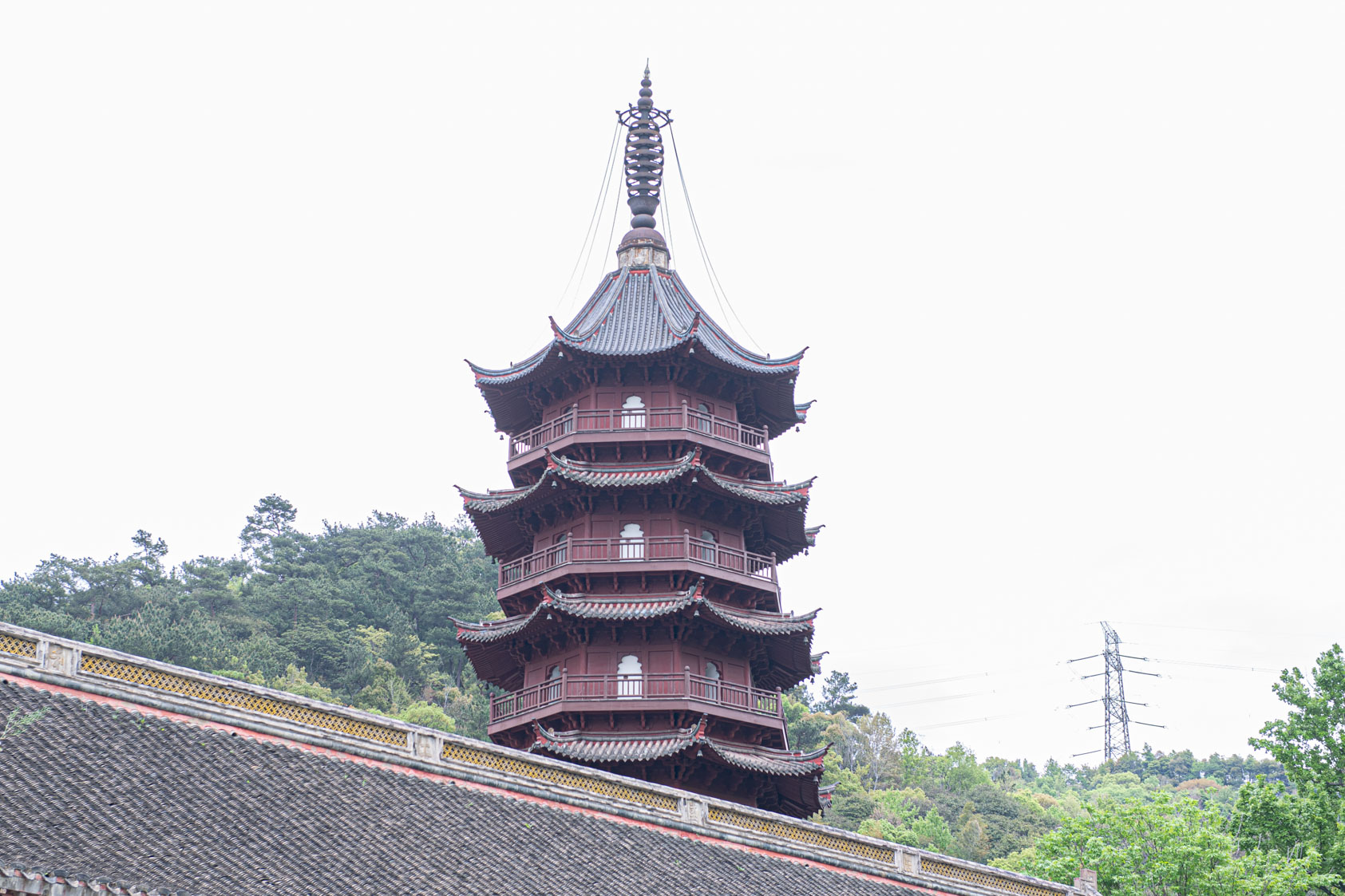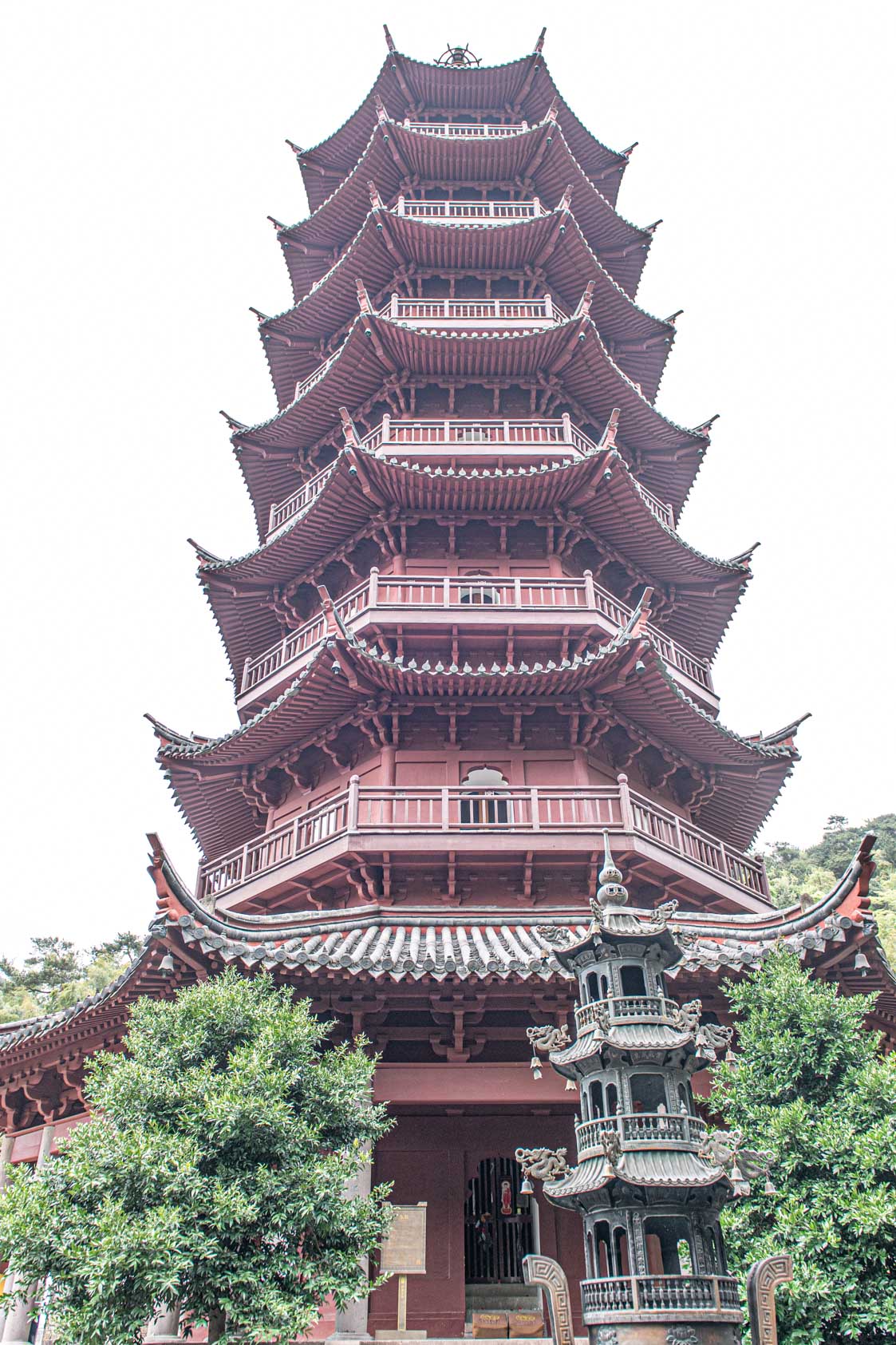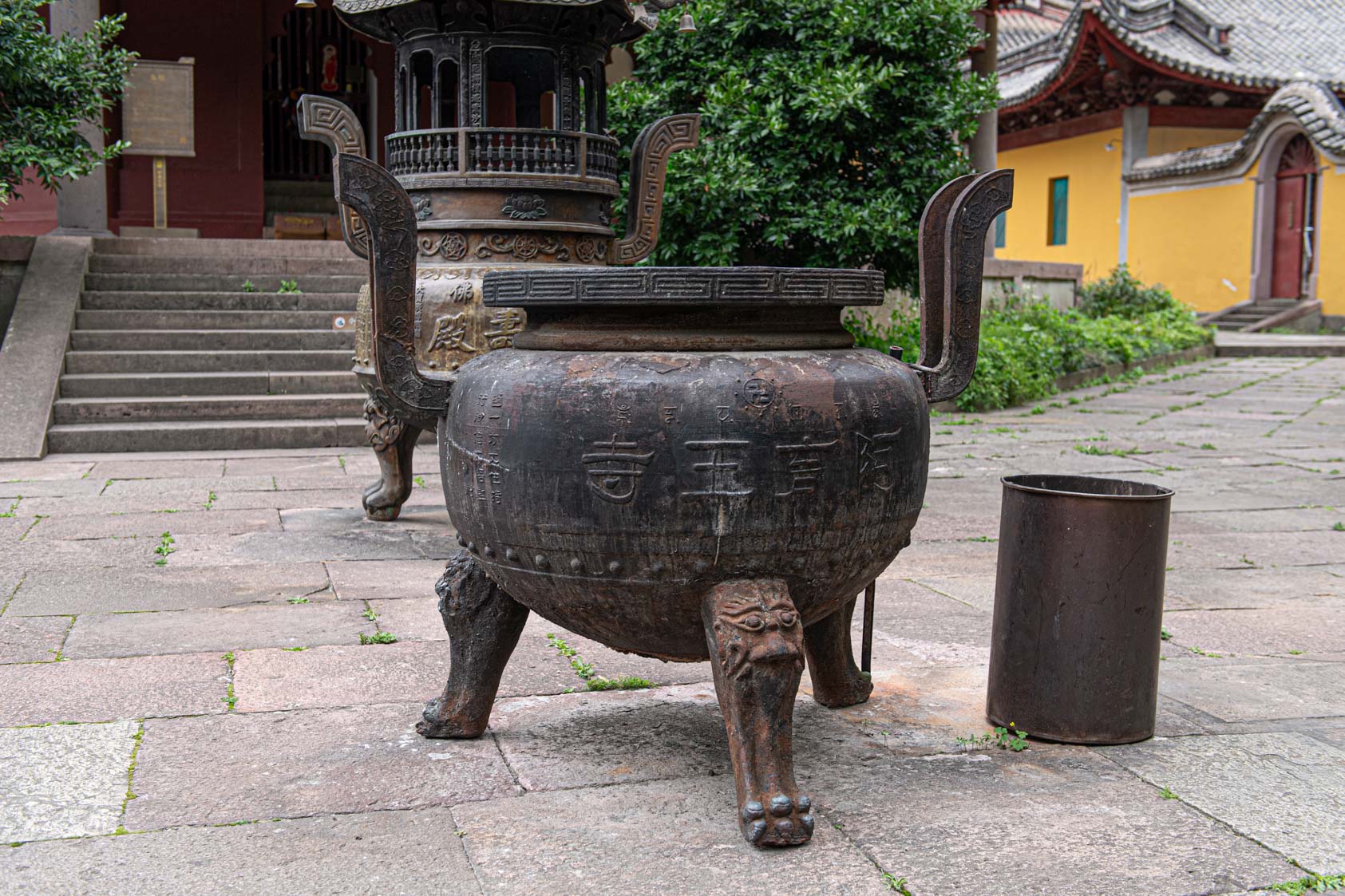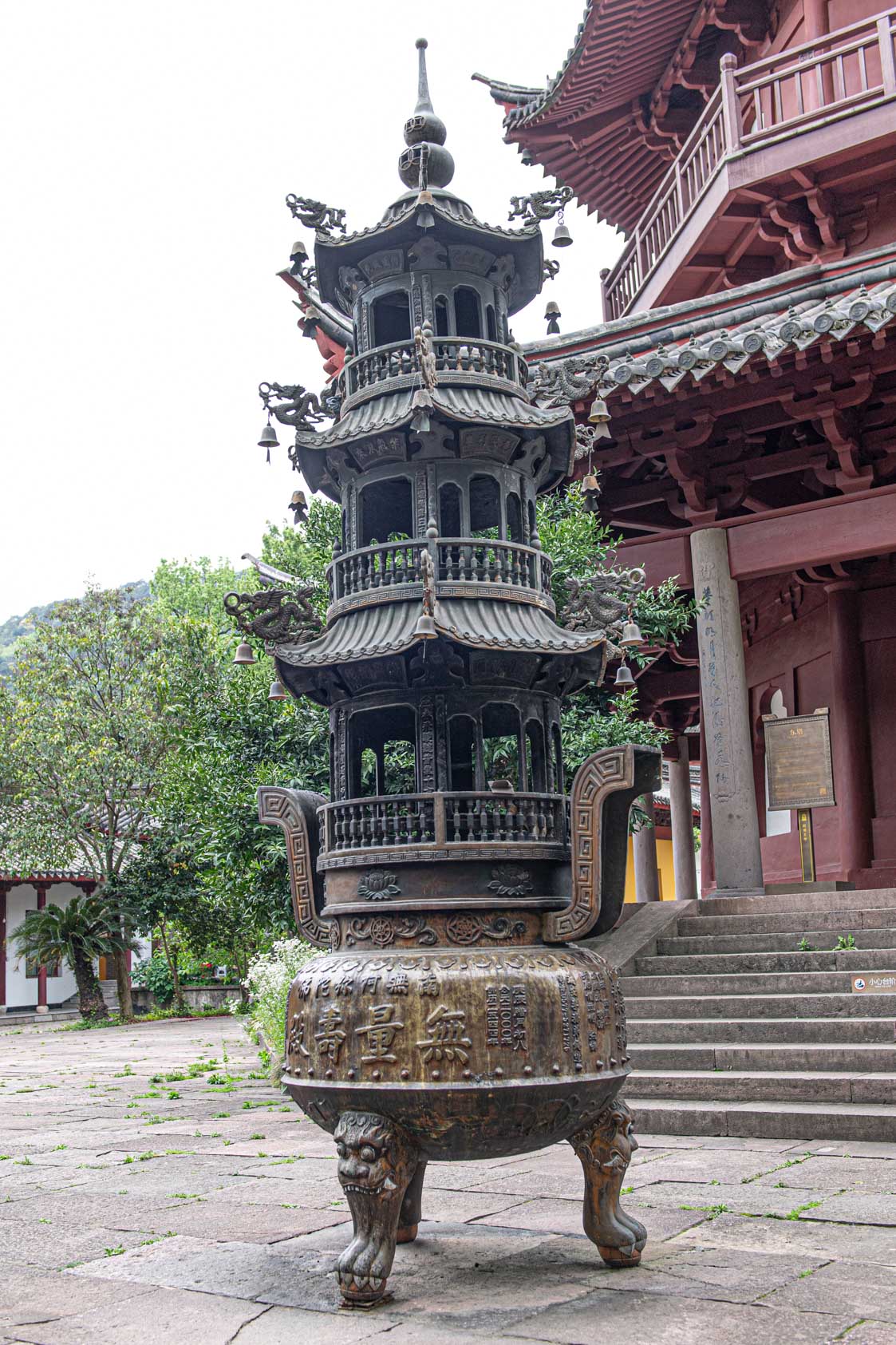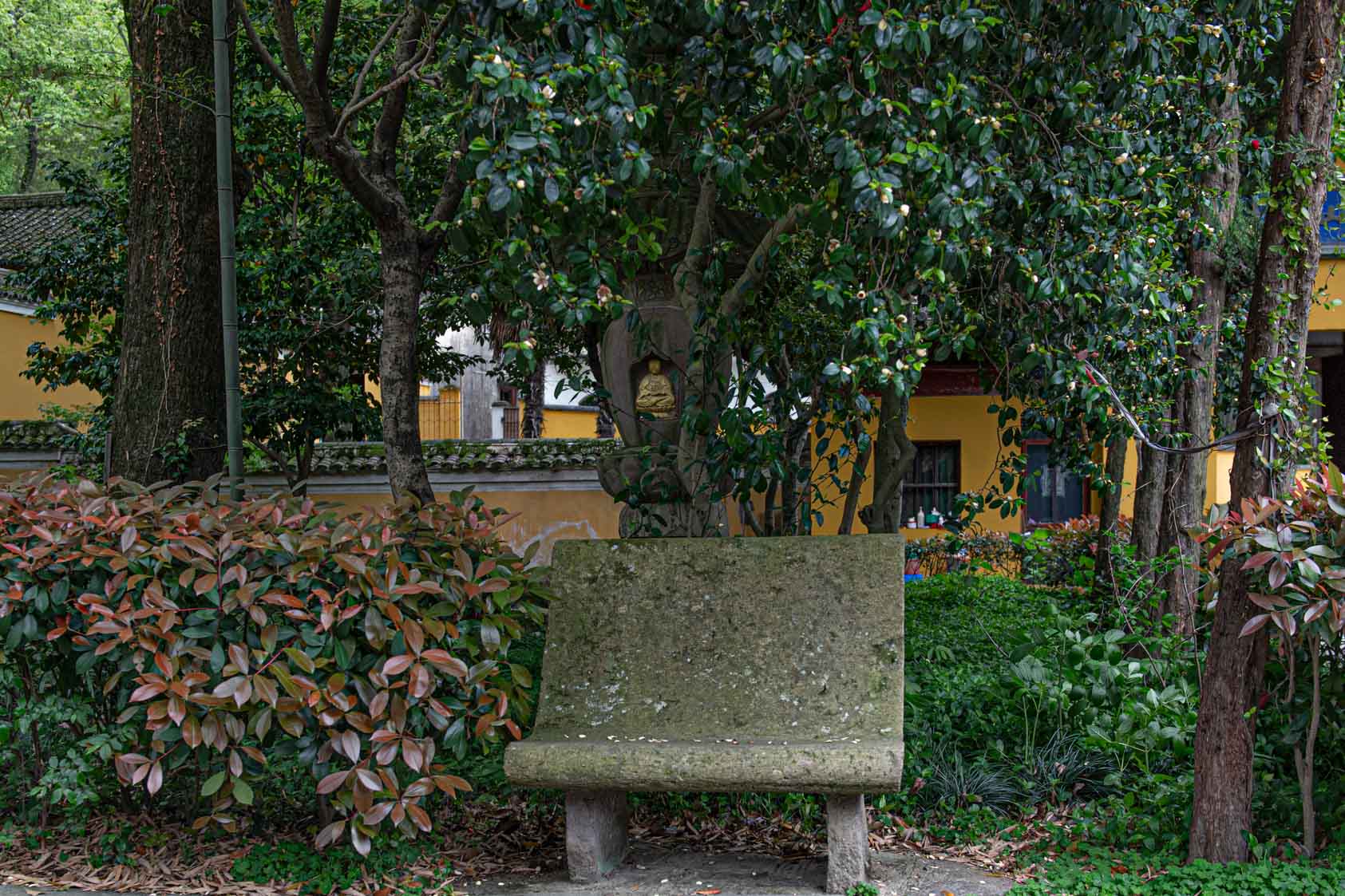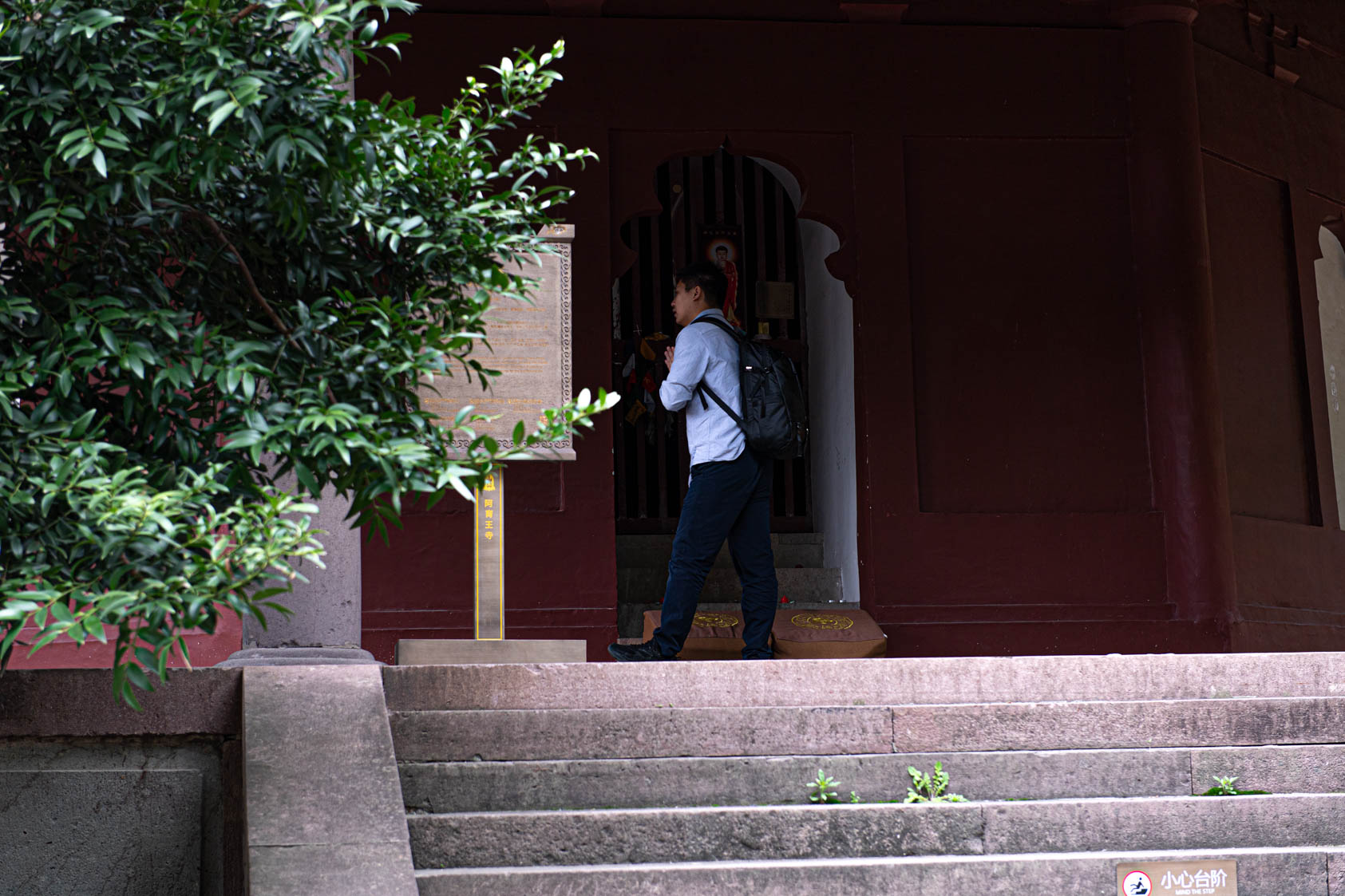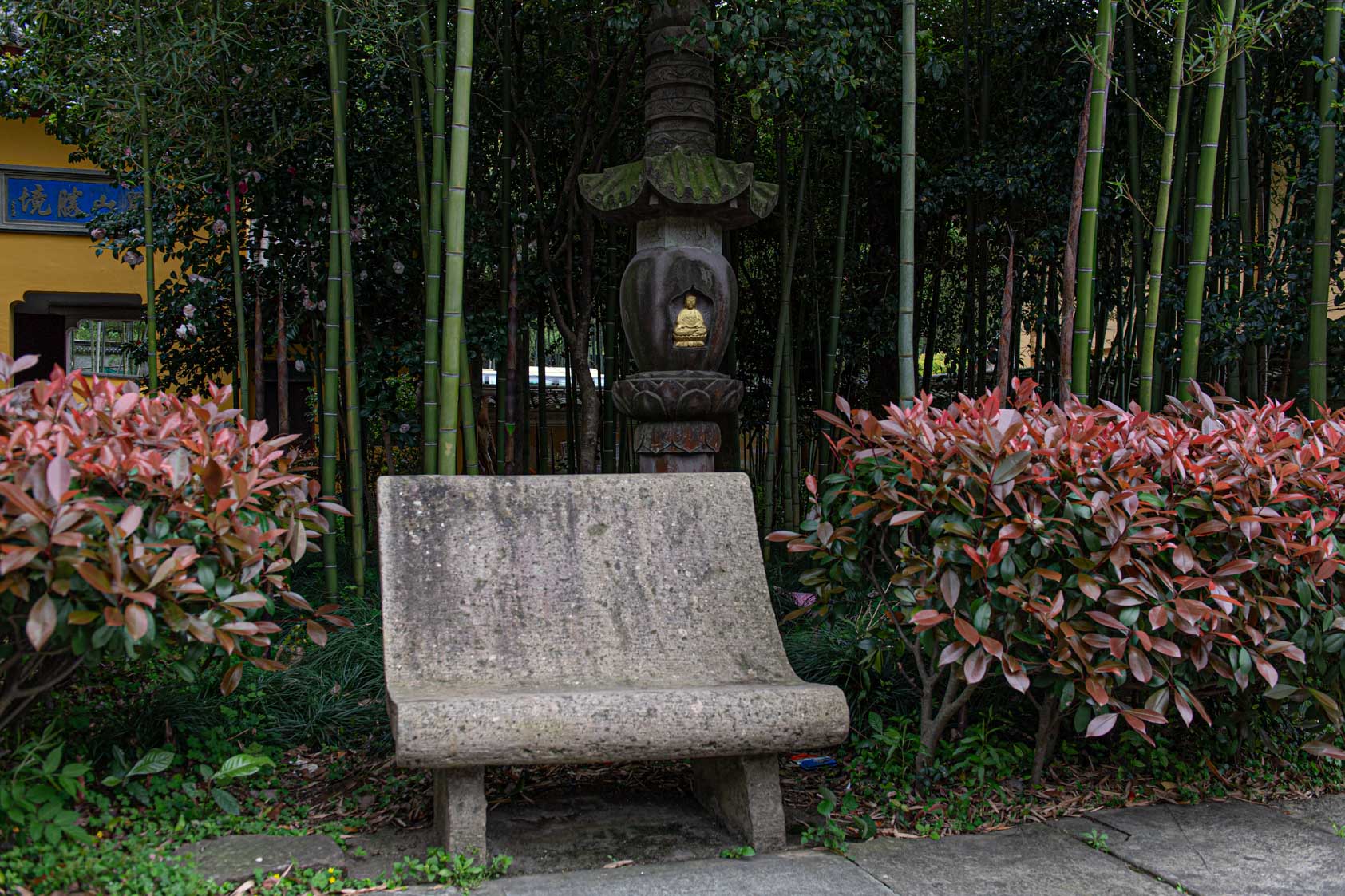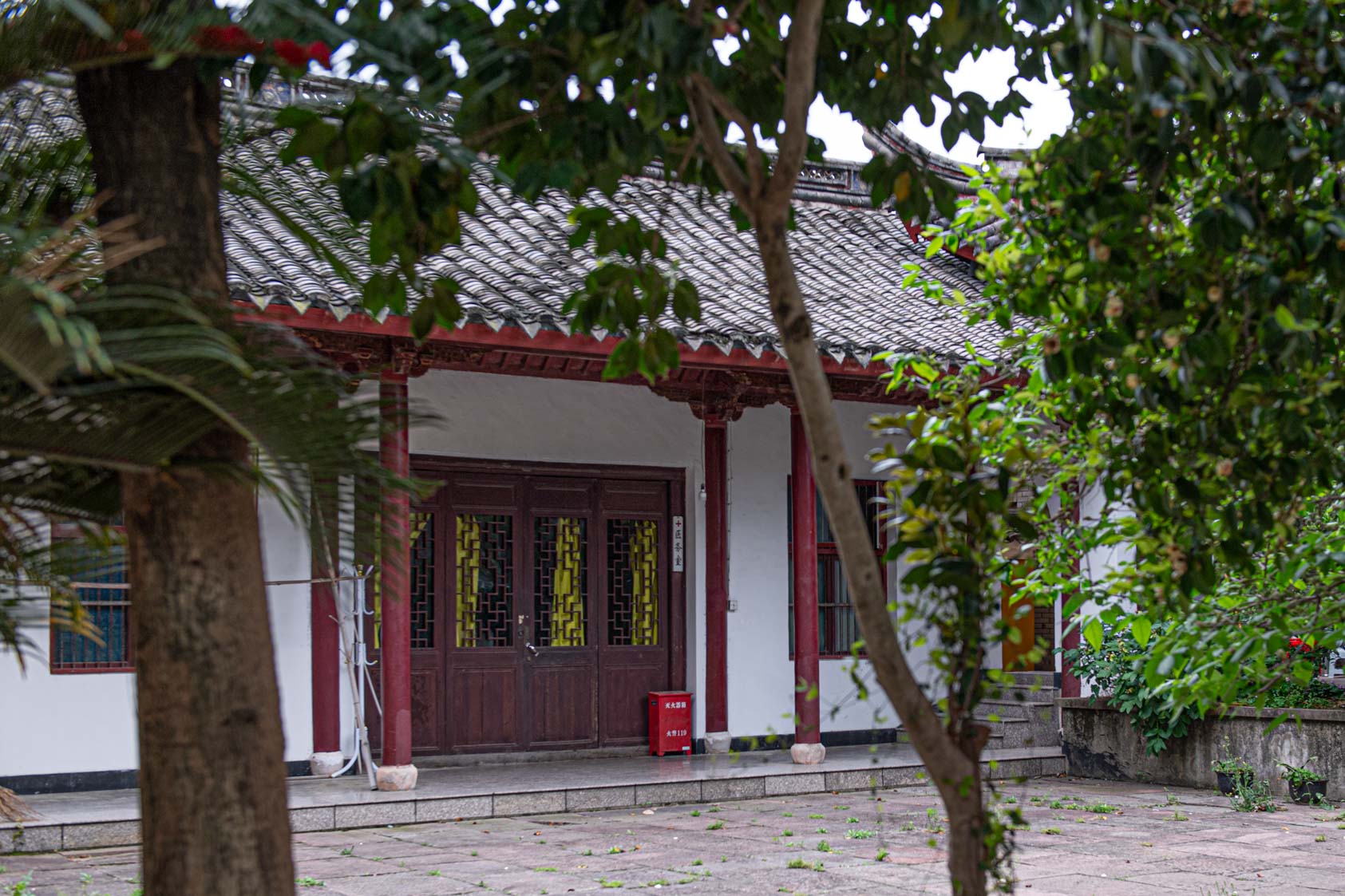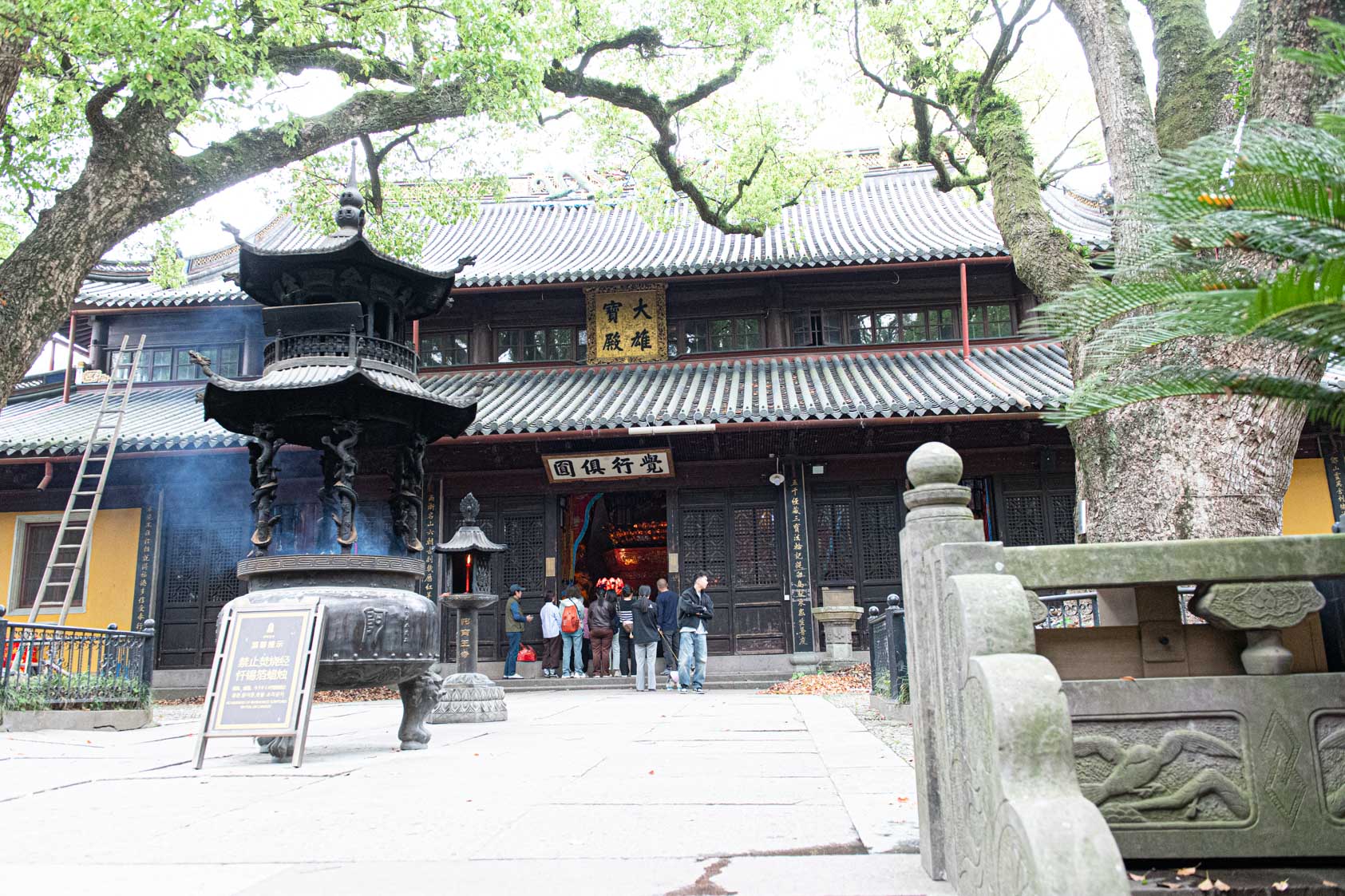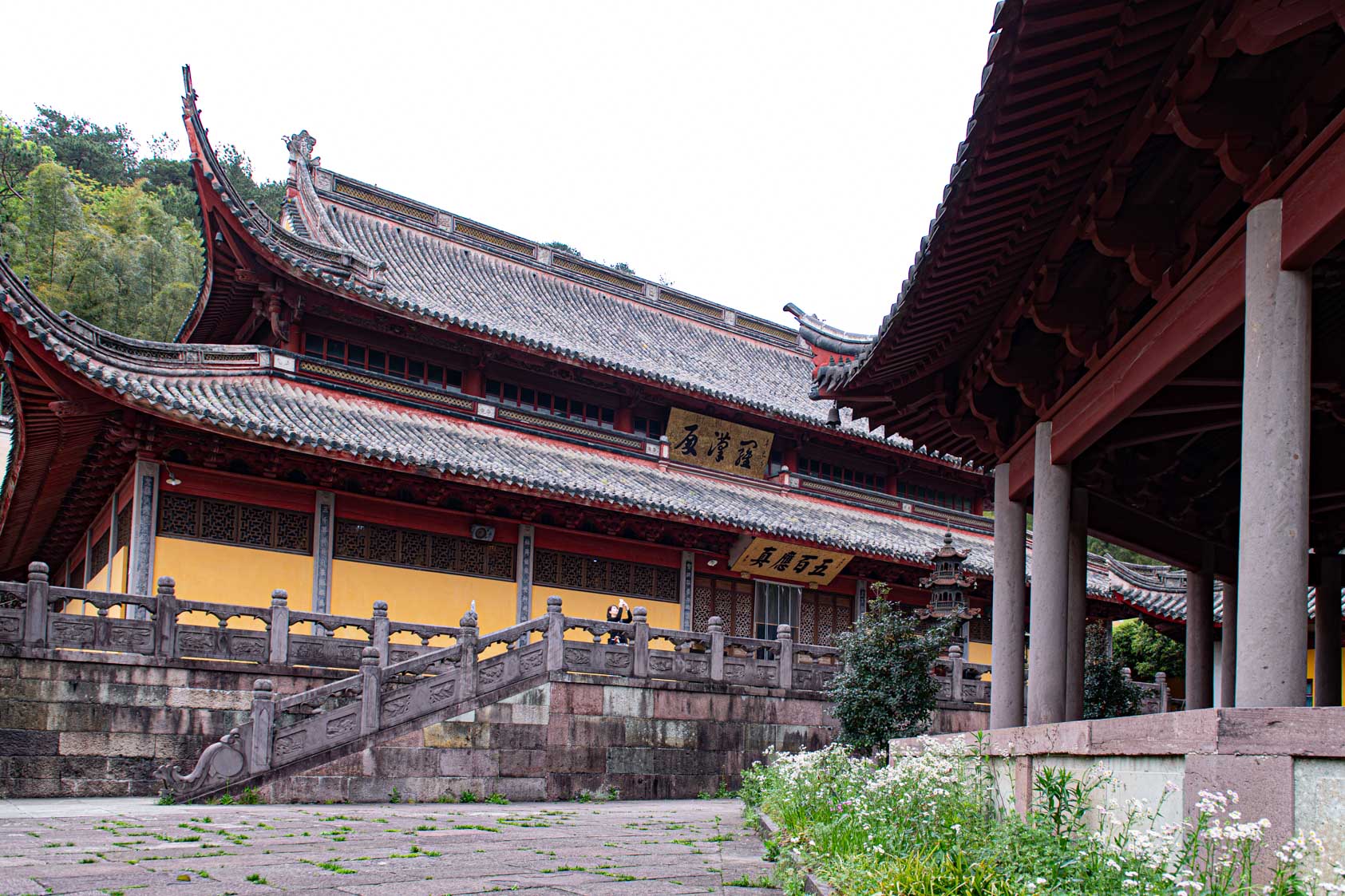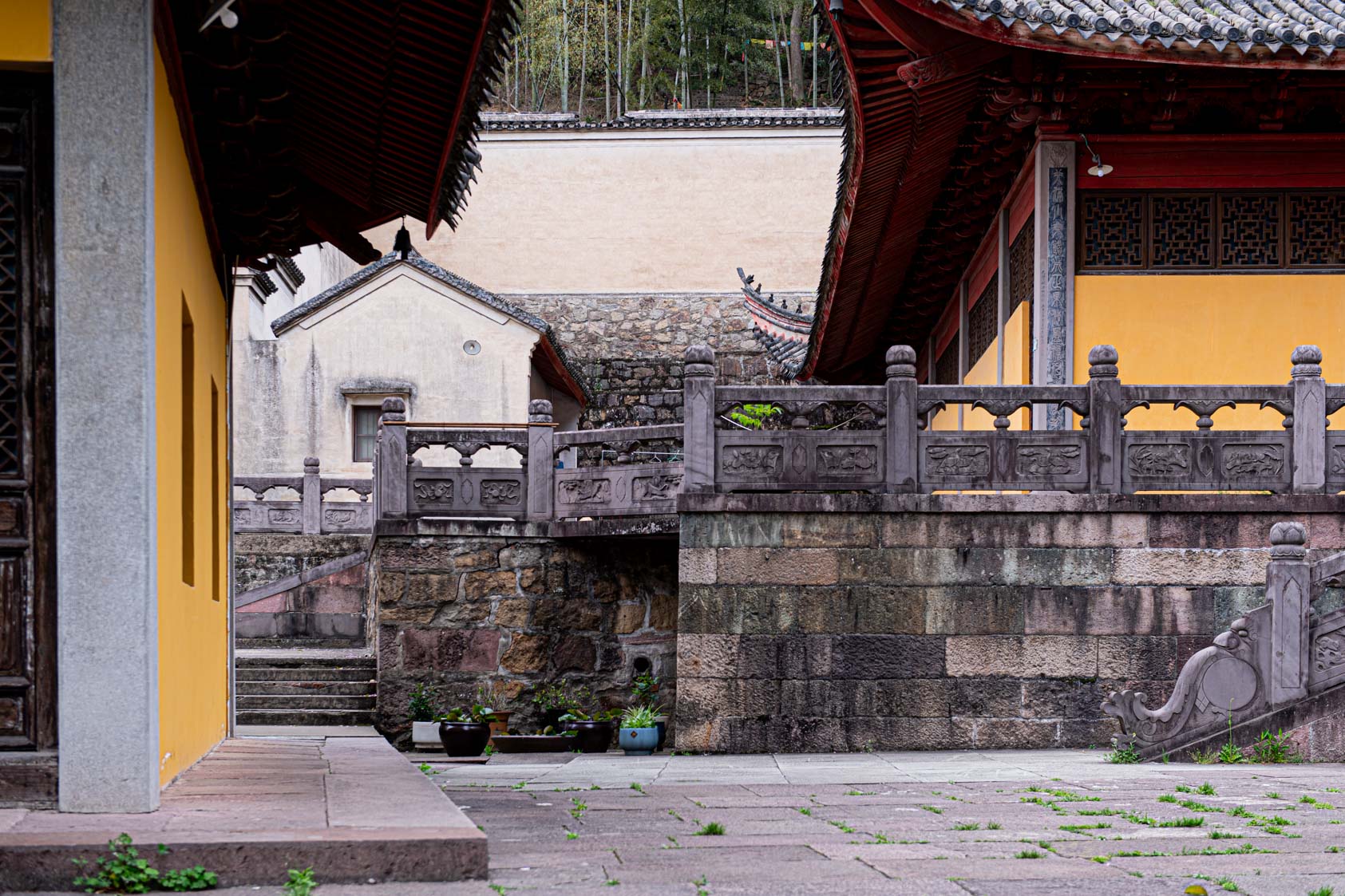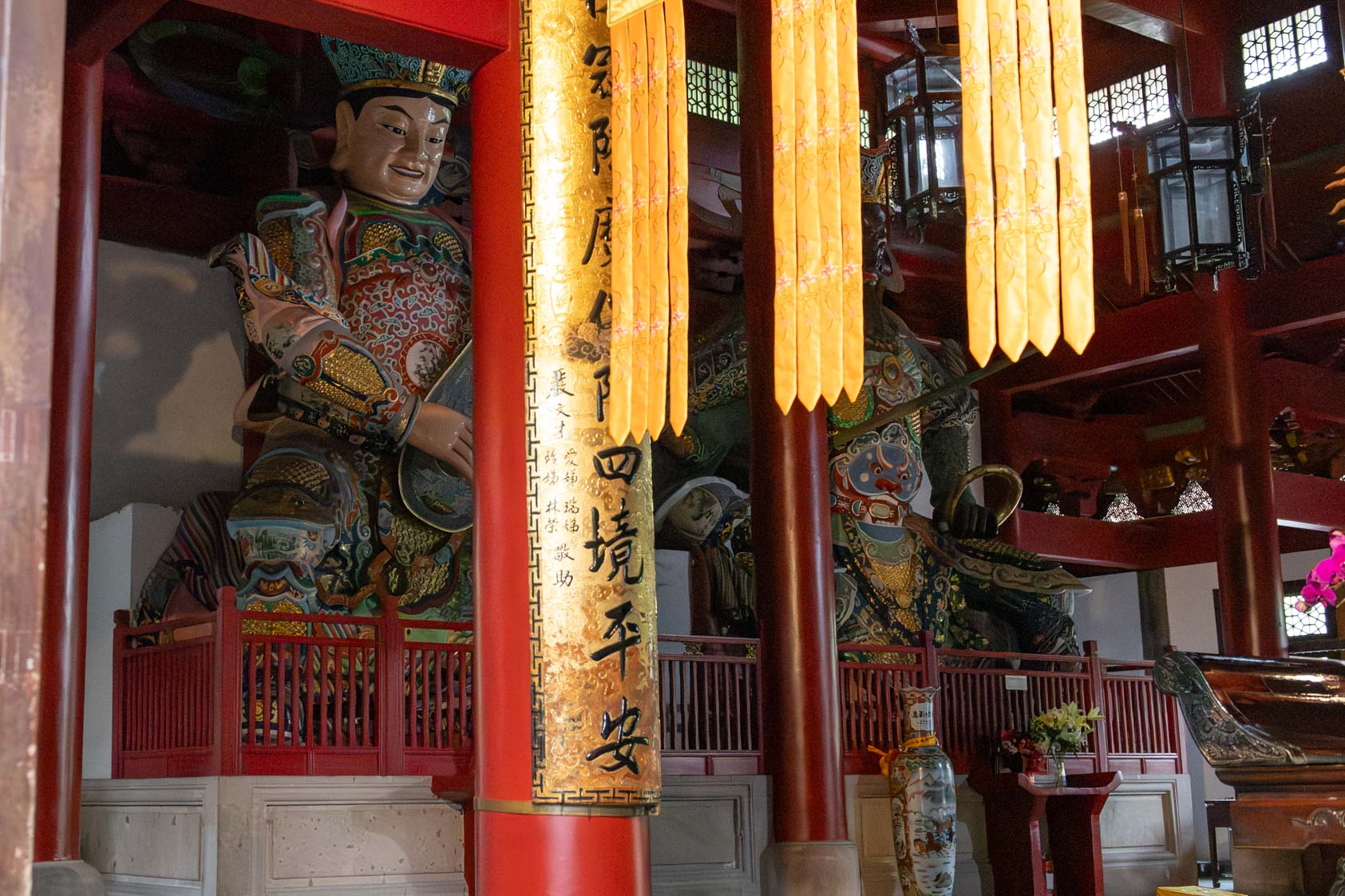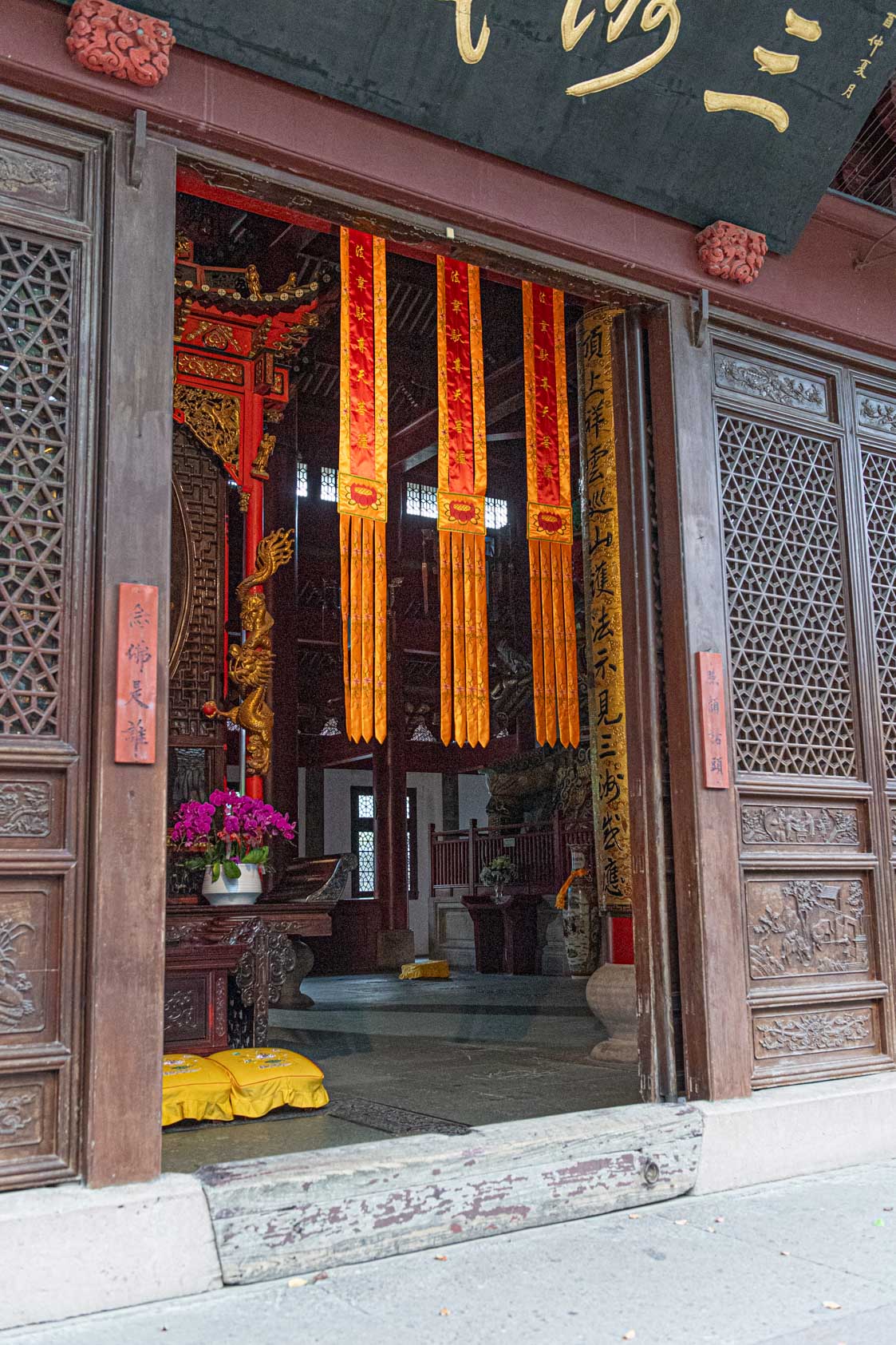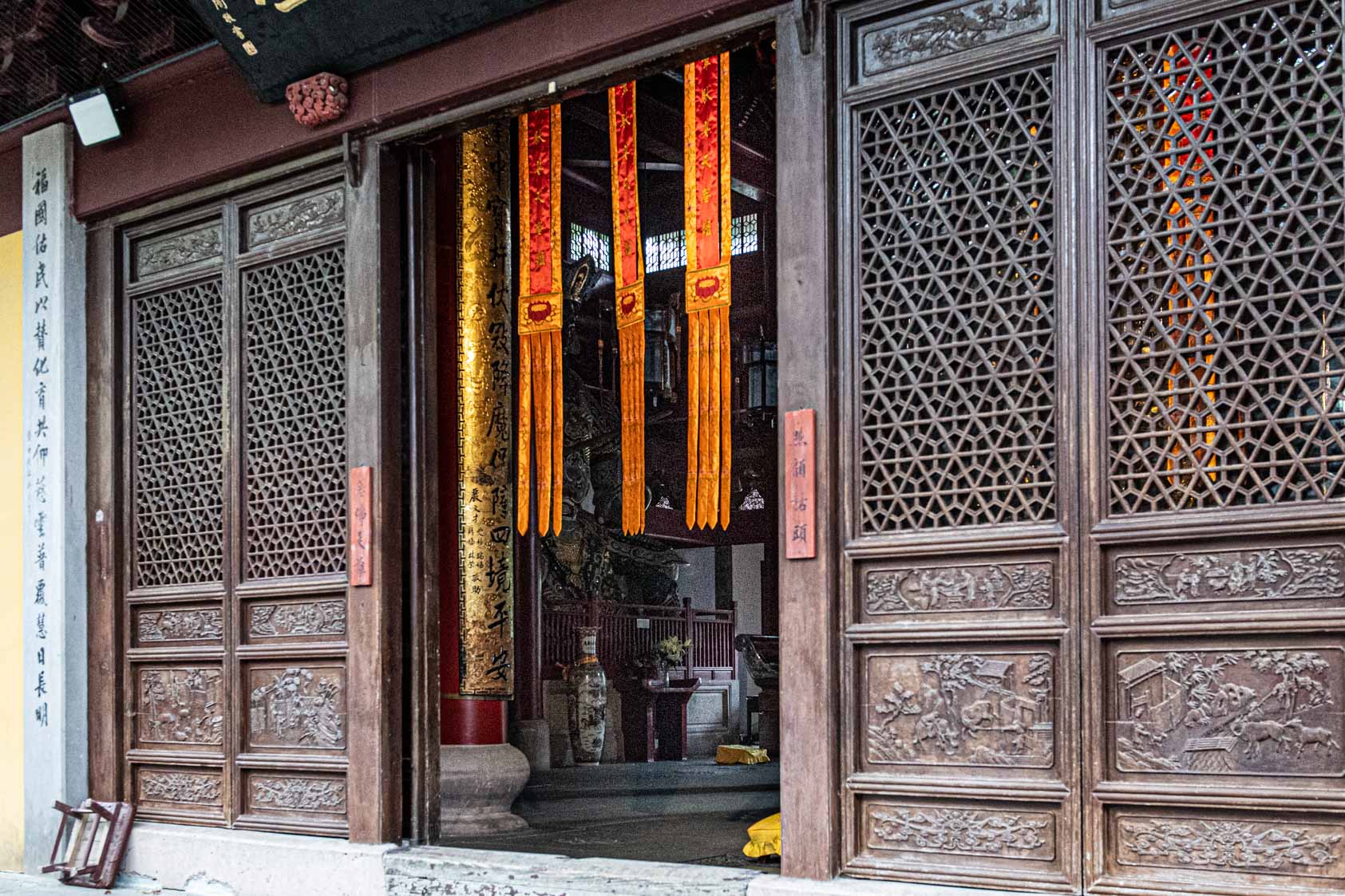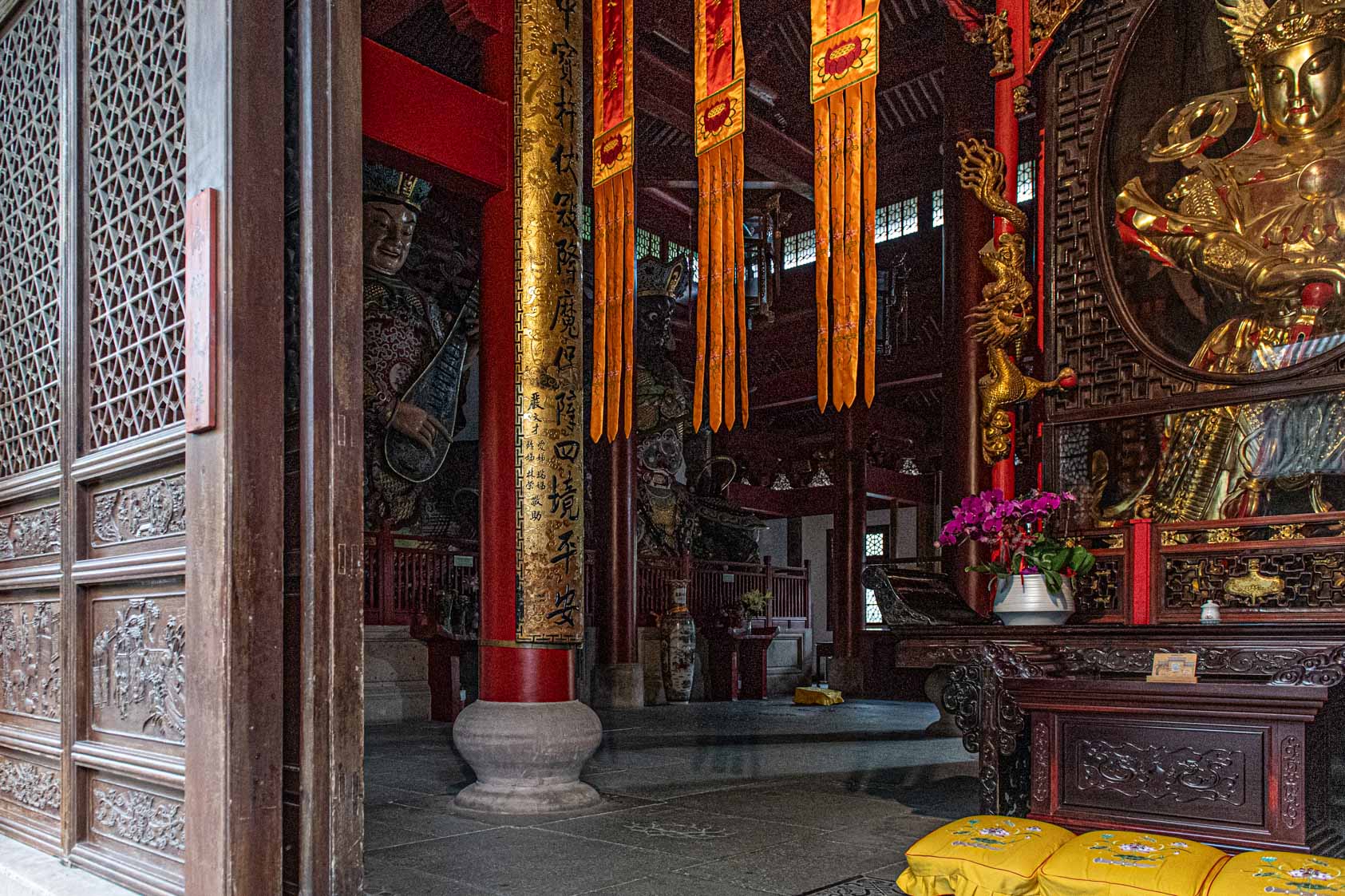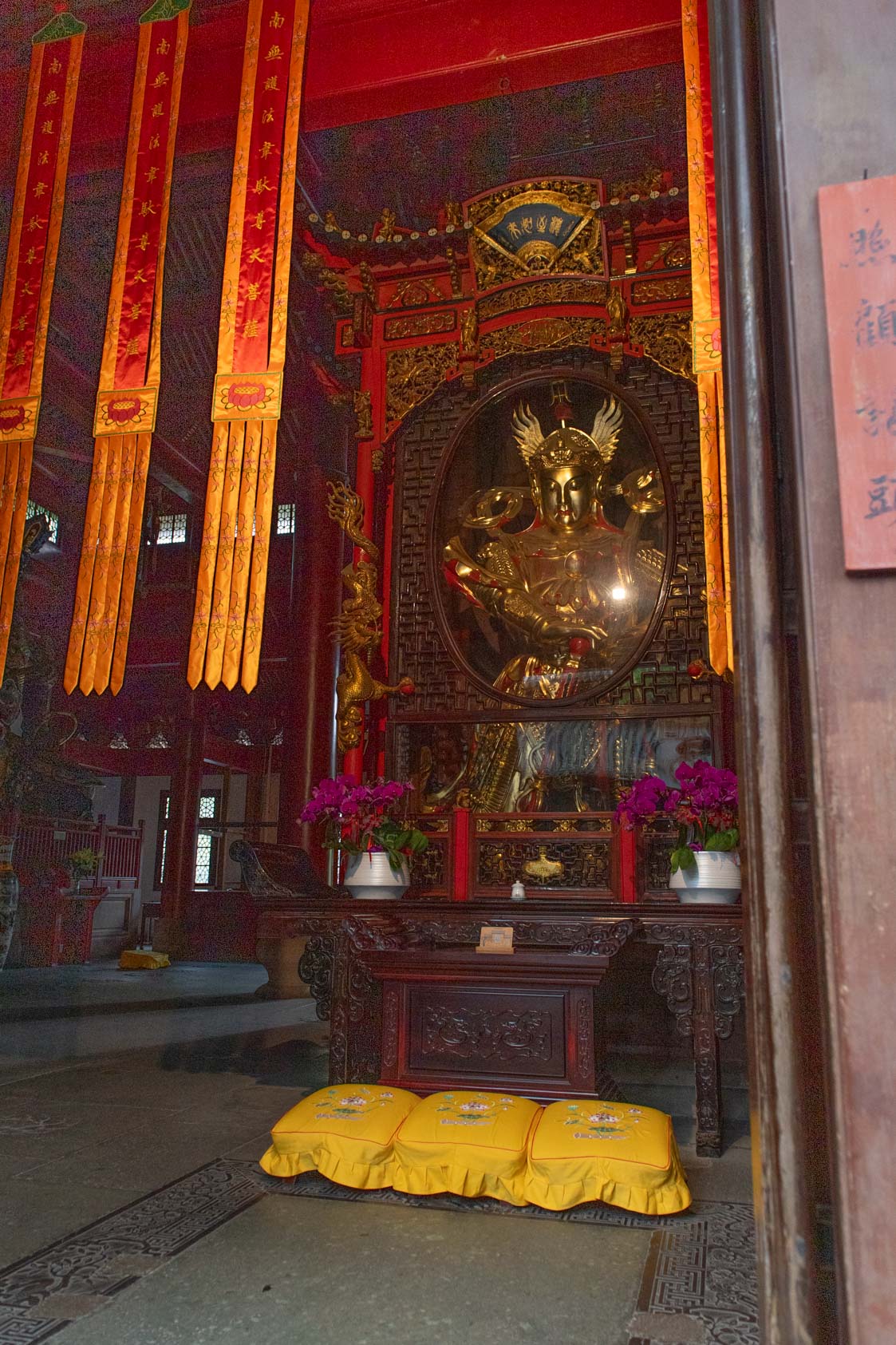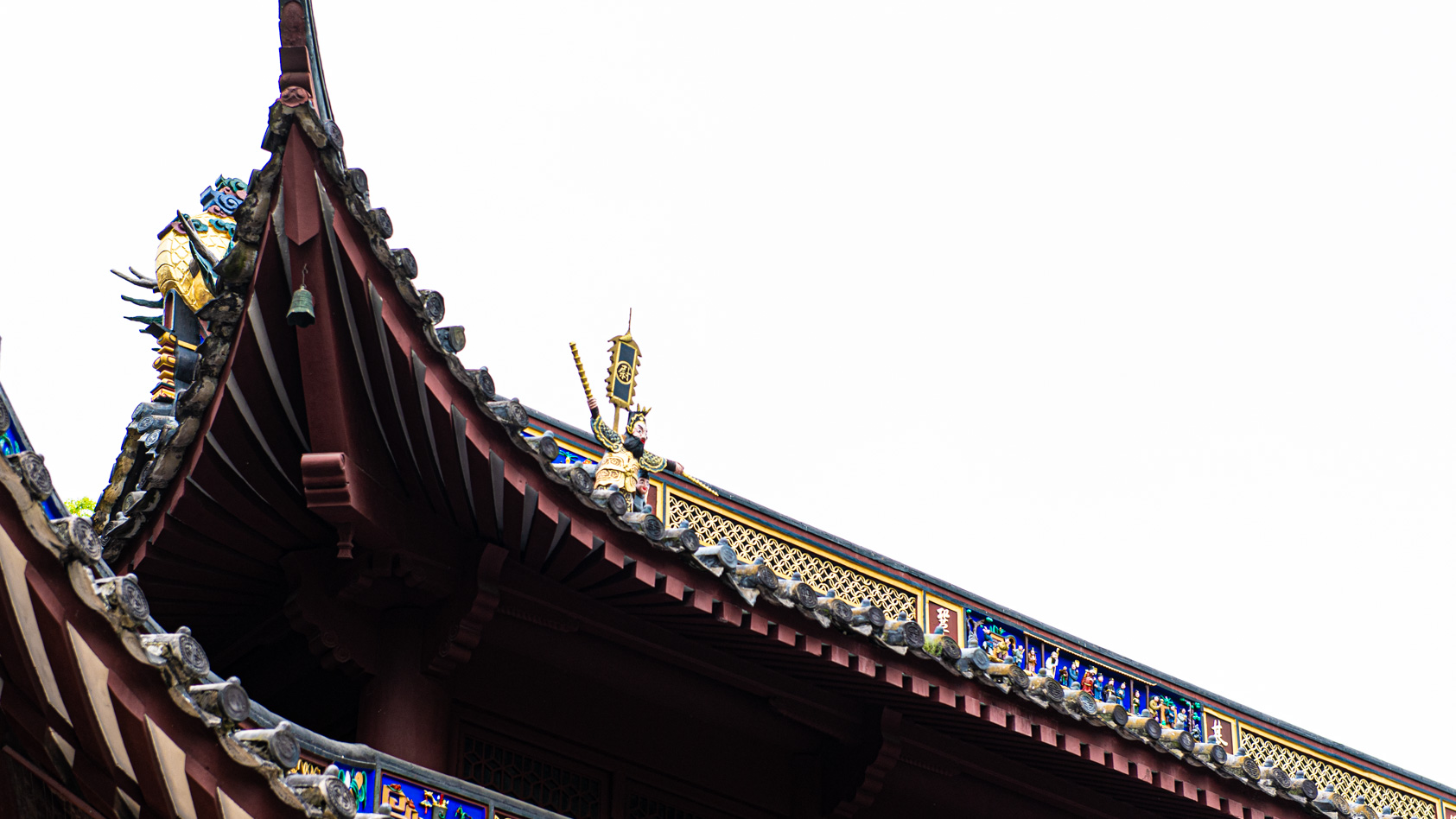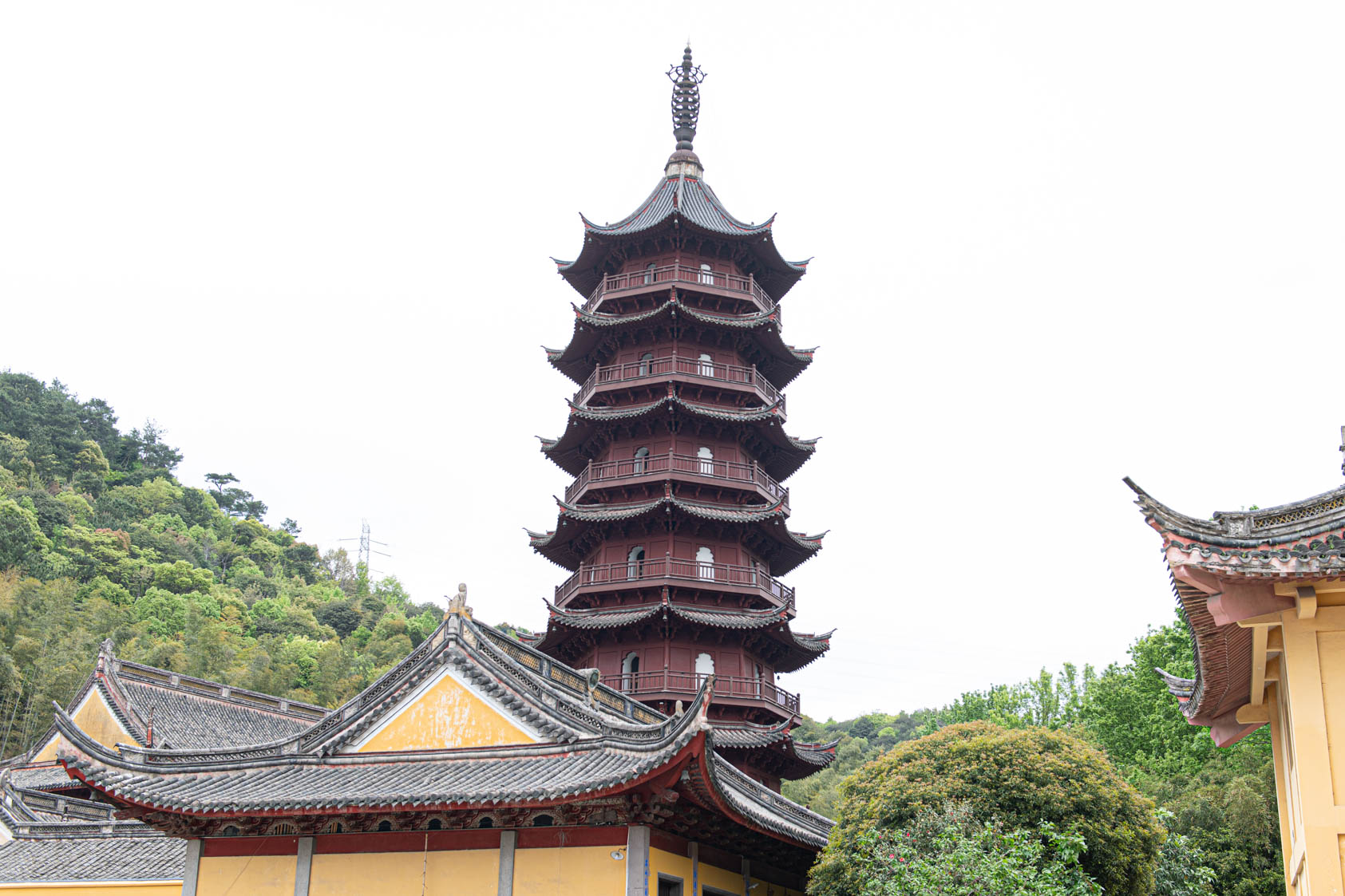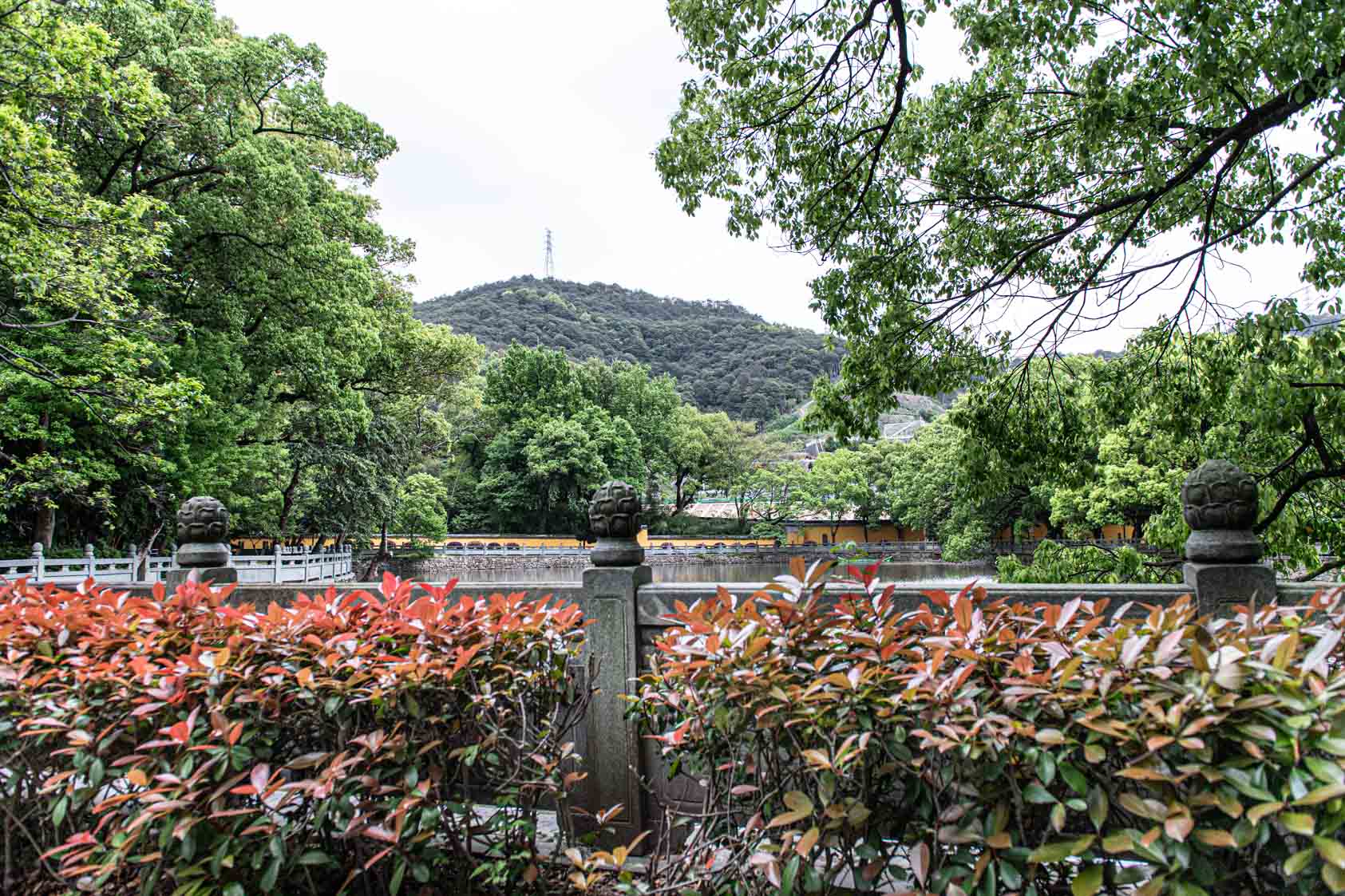
Temple of King Ashoka, Yinzhou District, Ningbo, Zhejiang, China.
The Temple of King Ashoka (Chinese 阿育王寺; pinyin: Āyùwāng Sì) is a very historic Buddhist Temple. The temple was first established in 282 by monk Huida of the Western Jin Dynasty (265-317). In 405 in the Eastern Jin dynasty (317–420), the stupa was relocated to the present site. The Emperor An of Jin issued the decree building a pavilion to protect the stupa. In Buddhism a stupa is a domed hemispherical structure, constructed to contain sacred relics. It is used as a place of meditation and pilgrimage, and may also be used to house the remains of Buddhist monks or nuns.